The horizon is perfectly straight
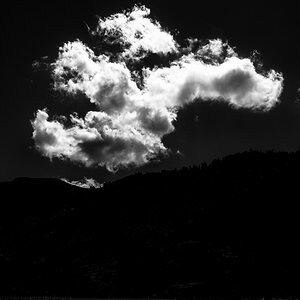
The main problem here is that people don't see it because they do not see the horizon. The reason for that is simply because you've changed it's value relative to the sky and clouds so much it is now brighter than the sky and clouds that surround it and anybody scanning the image will at first associate the area (centre-right above the mid-distance trees) with sky because the land would never be brighter. What the image actually is of is a ridge
in front of the clouds, by increasing it's brightness what people actually see is clouds free floating in air, the mountain ridge disappears. You have a visual memory of the scene because you took it and have reference to the original un-edited version, others don't. What they see is just the curving line of trees.
I have to ask; can't you see how odd and unnatural this looks?
This is a very good example of why you shouldn't mess with the relative values within your image and how doing so can make visual mush of them.
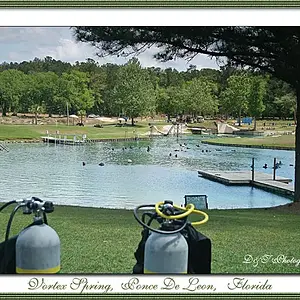
With this image and especially the tower in the thread "Aloha" I find that I can't see any impression of the light in which they were shot, Your processing has removed this, especially in the tower that though it does contain some slightly diffuse shadows your processing makes it look a lot duller than it was. It is the subtle variations of brightness and contrast within an image that allow us to see things as sunlit areas or shadow. By tone mapping you effectively remove these differences and flatten the image. By adding global contrast and sharpening all you are doing is adding more black into an image, and adding black to colour lowers it's tint and makes it darker and duller in the same way adding white reduces saturation and creates a pastel shade.
With the image above if you cover the sky, the only visual indicator of a bright day, then the rest of the image looks like it was shot on a dull and overcast one.
Offered as helpful advice, and an insight into how others see and perceive the images only with no wish to offend.