Nikon Camera Lenses
10.5 DX, DX 35/1.8, 10-24 DX, 12-24 DX, 16-85 DX, 18-55 DX (2 versions), 18-70 DX, 18-105 DX,18-200 DX, 55-200 DX, 55-200 DX-VR, 85 DX Micro-Nikkor,announced but not delivered yet.--13 total DX lenses, 12 models which are on the market currently.
So there are 11 manual focus lenses and 37 other FF lenses. So, one out of four CURRENT Nikon lenses are DX lenses. There must be at least 85 or more different AF, AF-D, AF-i, AF-S, and Ai and Ai-S Nikkor lens models made since 1977, all available used in addition to the current 11 MF lenses--3 of which are the fancy tilt/shift/electronic lens 24-45-85 models.
About half of the DX Nikkors are relatively cheap consumer zooms. If a person is going to buy a high-performance, full-frame camera that costs $2,799, he's not going to want to put beginner-level kit zoom lenses like the 18-55 or 55-200 on the camera--even though those lenses WILL mount,and will shoot on Full-frame Nikon cameras, unlike Canon's EF-S lenses which will damage a full frame camera and cannot be mounted. The DX-format Nikkor lenses are not totally useless on the full-frame Nikons.
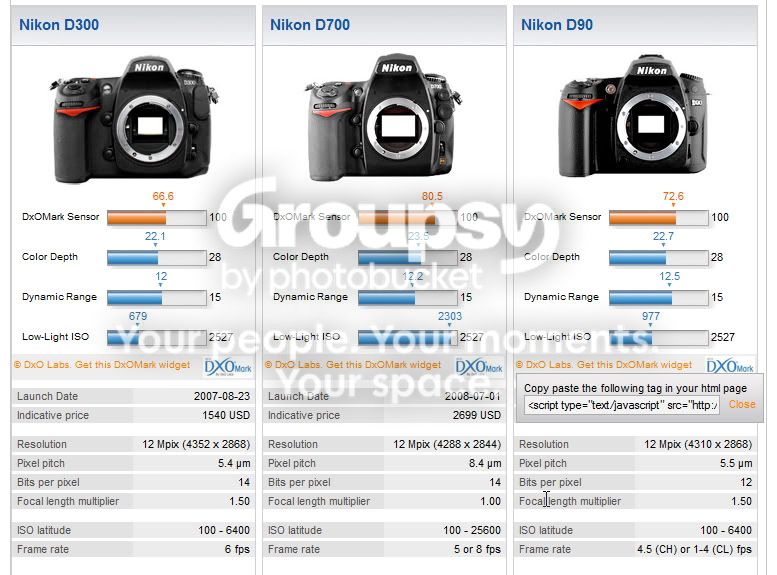
The D90 body's improved sensor performance over the 2007-model D300 is why the D300 was discontinued this year, and has been replaced by the 300s in late 2009. I think it's pretty obvious that the D300s will have the improved sensor performance equal to or better than the D90. Similar to the D300 to D300s upgrade, the 2007-era D3 has been discontinued and replaced by the D3s, with its improved High ISO performance that the lucky few testers are claiming is two stops better at the extreme ISO settings compared with the original D3 of 2007








![[No title]](/data/xfmg/thumbnail/38/38261-db20f6f92ee8f0d4c5cf1536e308638b.jpg?1734172147)
![[No title]](/data/xfmg/thumbnail/38/38263-ad5e4c9e677626ddb5b1e7cdf9ebe40e.jpg?1734172152)