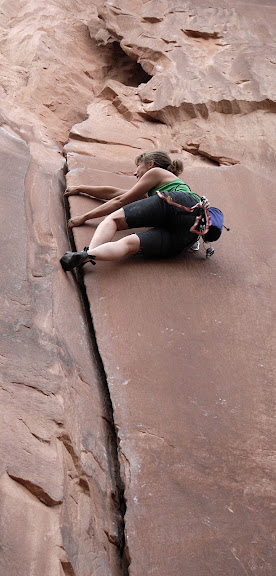
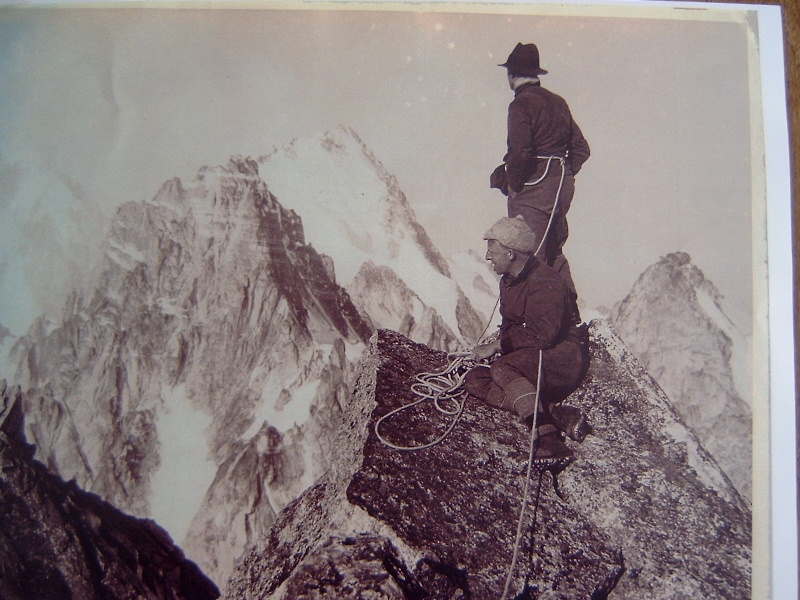
On ascent, the rope is only used for protection, not direct support. To do otherwise would be a violation of climbing ethics unless there was some kind of an emergency.
Unless you have seen rock climbers do their thing, you have no idea what can be done.
Women have a better strength to weight ratio than men and thus have an advantage. In the video the climber is top roped, but you can see the rope is slack during his ascent, only offering protection in the case of a slip and to limit the length of a fall.
Top roping is considered a training aid and not pure climbing technique.
The pure method usually has the first climber stop and place rope anchors periodically. If the lead climber is above a rope anchor, and falls, they must fall at least twice the distance they are above the anchor before their fellow climber (belayer), holding the other end of the rope, can arrest their fall. As a practical matter, because of slack and stretch in the rope, leader falls are more than twice the distance to the last rope anchor point. So, if the leader is 15 feet above the last anchor, they will fall at least 30 feet before the belayer can arrest the fall.
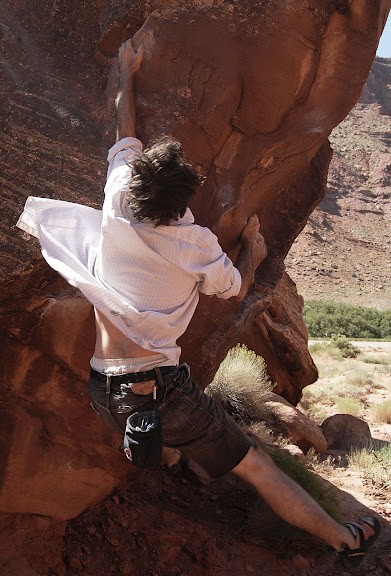
The purest form of climbing, called free solo climbing, uses no ropes for protection, relying only on one's mind, experience, and skill for safety.