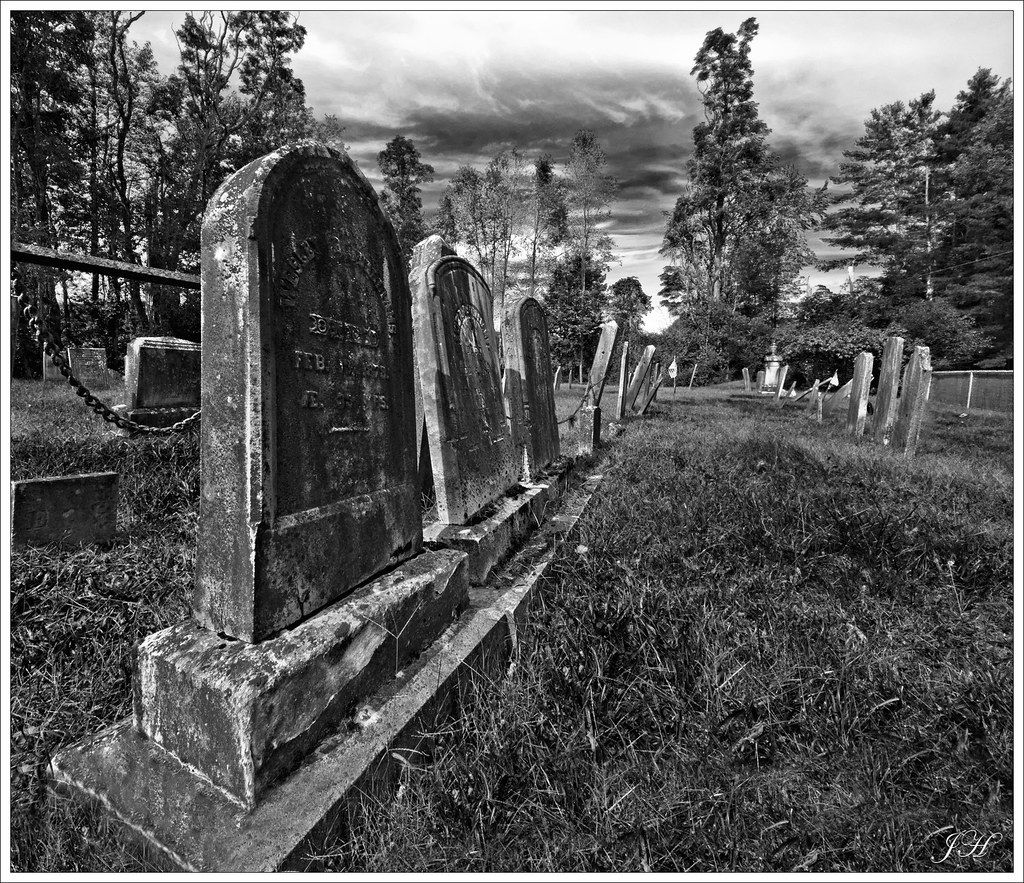
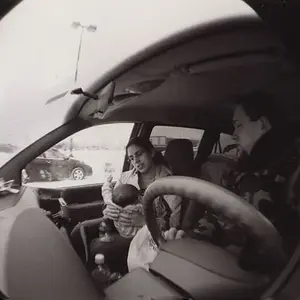
I the first photograph is interesting, but the overall contrast seems a bit too much biased towards the dark side. The sky, on the other hand, is sort of blown out towards the top of the photograph and looks rather grainy. In truth, I think you took the best shot you could given the conditions, for it seems that there were plenty of harsh shadows to contend with and that there was quite a large disparity in brightness between the sky and the foreground.
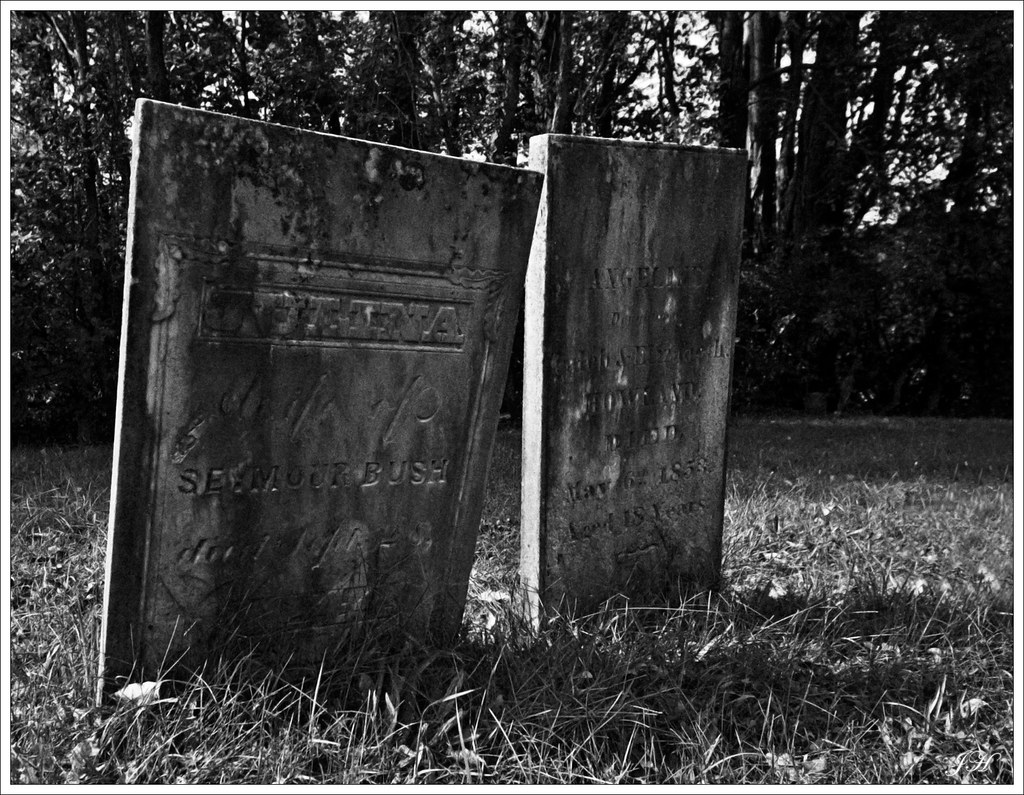
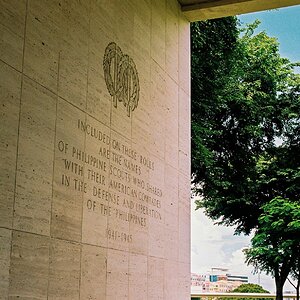
The second shot is... well... not exactly a "study in getting a great photograph". It's more of a snapshot of the gravestones. That is to say, its more of a head-on shot that says "here are the gravestones and this what they look like" rather than "don't the gravestones look exceptionally photographic in this shot?".
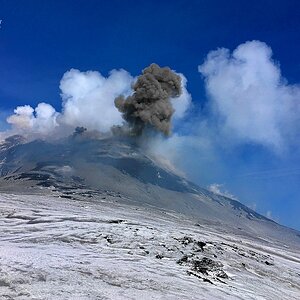
I would say that you are improving, though I think that the one hurdle you still have yet to clear is learning that, in the realm of outdoor and/or landscape photography, personal skill in photography is only 50% of the game. A masterful, world-famous photographer can step onto the most exquisite landscape on the planet... but if the weather/light conditions aren't right to produce a nice shot, he/she may not even trip the shutter once. Great outdoor/landscape/scenic photography always represents a sort of cooperative effort between the photographer and nature. You can't "force" a great outdoor shot if nature is just not going to allow it during a particular outing. That's not to say that you shouldn't bother taking photos at all... just that, to a certain extent, moving your outdoor photos from "good" to "great" isn't necessarily always a matter of improving your technical skill. It can just as often mean knowing the difference between when it is the right time to trigger the shutter, on one hand, and when it would be best to simply pack it in and show up again another day in pursuit of that great shot, on the other hand.
You'll find that landscape photographers, for the most part, invest a good deal of time monitoring weather reports and checking the direction of the sunrise/sunset from different locations, always arriving at shooting spots at the ideal times of the day (sunrise, sunset, overcast conditions... or whatever is appropriate for the shot they envision) when they will most likely hit upon the best light for their given subject. Even still, it is not uncommon to have to visit certain locations two, three, even four or five times before you hit upon the opportunity to frame up a shot under the weather/light conditions where it really shines. And as disappointing as it may be when conditions don't shape up as you anticipated, sometimes during multiple outings to the same spot, that's all part of the craft. Perseverance is just as much a quality of an effective outdoor photographer as is knowing how to properly expose a scene or frame an attractive composition.
By the way, where is this cemetery? I've spent a good deal of time in Vermont over the last few years, both in Rutland County and in the Northeast Kingdom. Just wondering if it's out in those parts, or elsewhere.