It was a joke, you have amazing low light lenses.
I am sorry... I am very frustrated as of late. It seems the harder I try, the worse my pictures are. I am taking a hands on class next Sat so I can learn the D90. I really do not understand the settings, especially now. I do not have time tonight to experiment, so I thought I would ask for some settings going in that would work (Booker T and JJ Grey) Thank-jorge:thumbup:
Example of confusion:
WB=Auto
Auto ISO
Aperture Priority
Spot Meter
Negative Exposure Compensation as needed
White balance doesn't matter if you shoot in RAW (as opposed to jpeg), because you can change it afterward if you want. Leave it on auto and the camera will make a pretty good guess, then change it in your RAW software.
Auto ISO I usually leave disabled unless the lighting is constantly changing and I need a specific shutter speed/aperture. You're going to be shooting pretty much wide open in low light like this, so auto ISO might help. If you don't know how to enable it check the manual, it's just an option in the menu somewhere.
Aperture priority is a semi-auto mode, where you set the aperture you want it to shoot at, and the camera will decide what shutter speed will give you the appropriate exposure. Shooting in S, shutter priority, lets you pick the shutter speed and the camera will choose the appropriate aperture size to get a proper exposure. M, manual, lets you choose the shutter speed and the aperture, and gives you the little needle (actually it's more of a line now) that moves back and forth to tell you where it thinks the right exposure is. Looks something like <-----iiiii
|------->
Spot metering takes a meter reading from a small area in the center of whatever you're looking at, as opposed to taking an average from the entire scene. It uses this meter reading to tell you what the appropriate exposure should be. Spot metering might be more useful to you since you're probably going to have lots of dark area behind whatever the light is shining on, and the camera might try to compensate for that, making your exposure weird. With spot it'll take the reading from whatever you're pointed at. Also useful for other images with a large dynamic range, like if something is backlit, so you can expose either the background and use a fill flash (for example) or expose the subject and blow the background out. It gives you more control with the meter.
Negative exposure compensation would be just adjusting the exposure further depending on your mode, it usually (always? I dont really use it) changes the shutter speed. If you're shooting in P (programmed auto) it picks the shutter speed and aperture size for you just like in A (auto), but you can move the dial left and right to brighten/darken (positive/negative compensation) as needed.
Hope this was helpful


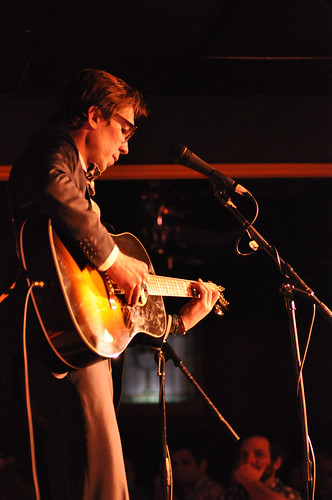


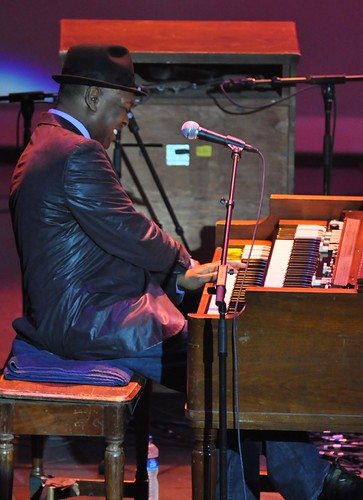
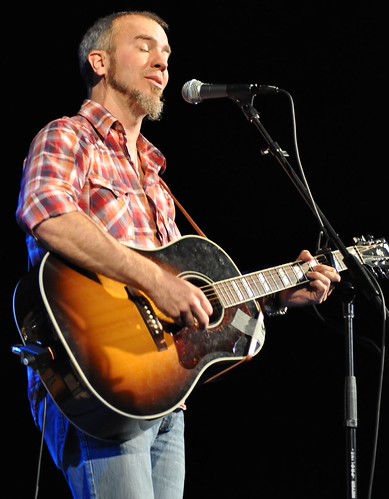


![[No title]](/data/xfmg/thumbnail/31/31509-b8abaec96e6e375688e269bc89f47652.jpg?1734159970)

![[No title]](/data/xfmg/thumbnail/32/32984-d9969dc997f82365b4d1f097cb5838c3.jpg?1734162939)
![[No title]](/data/xfmg/thumbnail/35/35932-28690c4fc247cf491230e47fc70ebeb5.jpg?1734167727)

![[No title]](/data/xfmg/thumbnail/37/37657-01deca3769b38b716838942ccbfce66a.jpg?1734170812)