What's new

I live in photo-op heaven!

mwild

No longer a newbie, moving up!
Joined
Sep 24, 2012
Messages
140
Reaction score
41
Location
Alberta, Canada
Can others edit my Photos
Photos NOT OK to edit
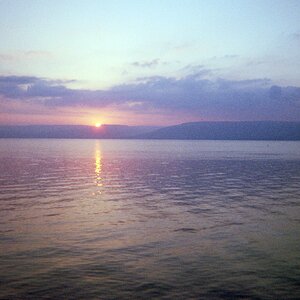
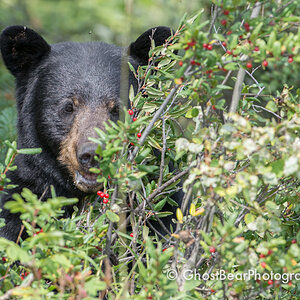
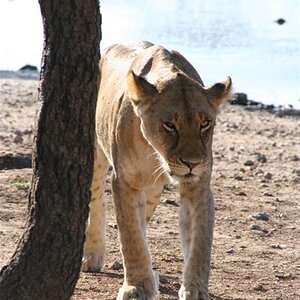
I live in the Rockies of Canada, and boy do I ever get some great photo-ops! Now to only improve my timing, and reduce my anxiousness when I encounter such ops!
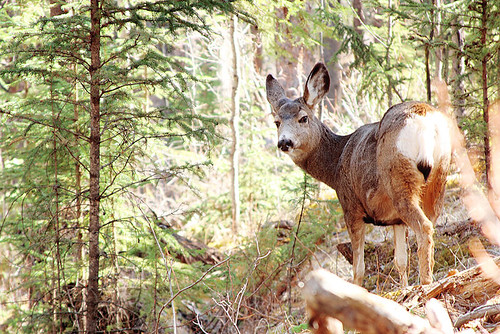
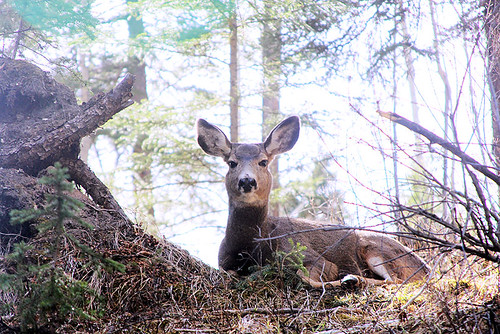
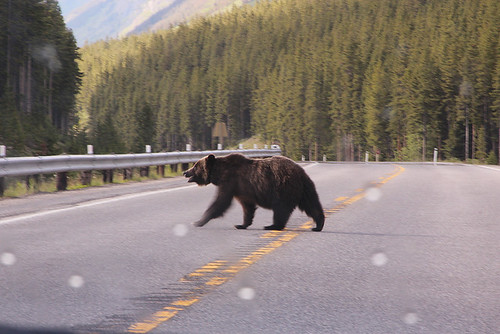
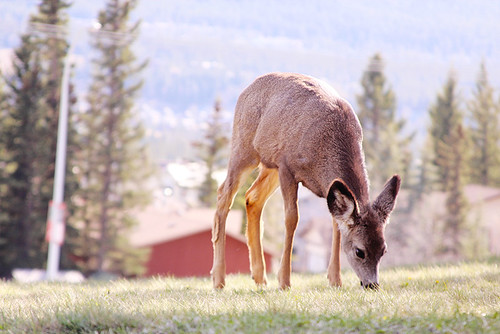
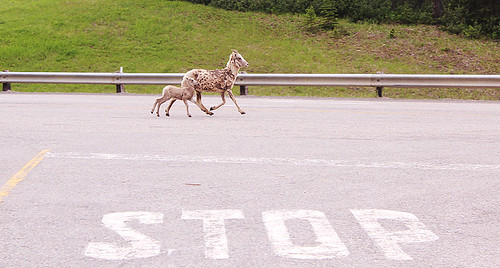


I find I'm always fumbling with my settings and full of anxiety trying capturing the moment perfectly, and I end up missing my chance. Any tips on shooting accurately in a rushed moment?
 
What i usually do if its a last minute ordeal, i will quickly go to S priority, or A priority and worry about one particular setting, if it be aperture or shutter speed. If i have time prior to, and like if i am walking through the park, i would set my metering prior to, thats so i will be in the general area and compensate on the fly. for WB, i would set it manually prior to as well. 98% of the time i shoot in manual mode.
 
Thanks! I will definitely start metering before hand.. white balance.. I set that manually usually for a warmer tone. I like seeing the world through rose-coloured glasses. :)
 
I began shooting RAW not too long ago.. I don't know why I didn't learn to do it sooner.
 
The Sunny / f16 rule has worked for decades
 
Wow!!! You really do live in a beautiful area...holy cow! I have no idea what type of animal that last one even is...thanks for sharing the cool wildlife shots ;)
 
Haha, they're just some rocky mountain sheep. They're a bit scraggly looking though. It's always nice to get the guys with the full coats and huge horns!
 
Makes sense to me! :) Thanks
 
I love, love, love the Rockies. I wish I could live closer to them, but I guess Edmonton isn't that far away.

A big part of getting wildlife shots is being prepared. If you have to unpack your camera whenever something comes up, you'll miss a lot of shots. When I'm driving or walking around out there, I always try to have a camera with telephoto lens very handy. Even when I'm out shooting landscape photos, I'll often have a second camera with a telephoto lens, just in case some wildlife shows up.

As for getting your exposure settings set quickly, that is mostly just a result of practice and experience. I almost always shoot in manual, but when it comes to grabbing quick shots of sneaky creatures, I may slip into Av mode.
 
Can I come live where you live?

Wildlife photography is basically two key parts - one part photography and one part wildlife; you've got the hardpart, that of finding wildlife, sorted it seems. Now the good news is that the camera part is the easier part in general, it does take practice, but you'll fast find yourself improving if you shoot often and work at it.

A few thoughts - first up as said always have the camera at the read, just leave the power on and let it enter powersave mode. Secondly remember that important as all the settings are your key setting for wildlife is your shutter speed - 1/400sec at the slowest and faster the better. Aperture and ISO can almost be what they want, but shutter speed must be fast enough otherwise you'll get blur and you can't fix that at all in editing*


As a way of improving how did you take the above photos? What settings, mode, method did you use to capture them? Detailing how you go about things helps a lot; it helps us see how you are shooting and gives options to suggest how you can improve certain areas; furthermore it also helps you to reinforce your method in your mind. Each time you write it down with a photo you are helping yourself to learn your own process - that helps it move from something you have to think about to something more instinctive.


*in some cases you might be able to fix tiny tiny bits of it, but honestly most corrective work will basically have you digitally reconstructing the blurred areas which will take you hours; at that point you might as well just do some digital drawing rather than photography.
 
I love, love, love the Rockies. I wish I could live closer to them, but I guess Edmonton isn't that far away.

A big part of getting wildlife shots is being prepared. If you have to unpack your camera whenever something comes up, you'll miss a lot of shots. When I'm driving or walking around out there, I always try to have a camera with telephoto lens very handy. Even when I'm out shooting landscape photos, I'll often have a second camera with a telephoto lens, just in case some wildlife shows up.

As for getting your exposure settings set quickly, that is mostly just a result of practice and experience. I almost always shoot in manual, but when it comes to grabbing quick shots of sneaky creatures, I may slip into Av mode.

I totally use Av mode when I'm feeling too anxious and don't trust my manual ability.

and you're not too far from Jasper! :D
 
Can I come live where you live?


As a way of improving how did you take the above photos? What settings, mode, method did you use to capture them? Detailing how you go about things helps a lot; it helps us see how you are shooting and gives options to suggest how you can improve certain areas; furthermore it also helps you to reinforce your method in your mind. Each time you write it down with a photo you are helping yourself to learn your own process - that helps it move from something you have to think about to something more instinctive.


*in some cases you might be able to fix tiny tiny bits of it, but honestly most corrective work will basically have you digitally reconstructing the blurred areas which will take you hours; at that point you might as well just do some digital drawing rather than photography.

Thanks for the shutter speed tip, I'll start puting more focus on that. When it comes to wildlife, I usually just use Av mode and adjust the shutter from there.
Thanks for the sharing input too, I'll definitely start giving more background of my photos if it helps get good advice!
 
I like seeing the world through rose-coloured glasses. :)
5.jpg

I can't see your image :(
 
Av mode is very well used for wildlife, just set to the aperture you want and then balance the ISO to get a fast enough shutter speed. The bonus is that if you end up in good light the shutter speed can just go faster and faster as needed. Tv mode (shutter priority) I tend to only use when I need a very specific shutter speed in a given situation.
 

Create an account or login to comment

You must be a member in order to leave a comment

Create account

Create an account on our community. It's easy!

Log in

Already have an account? Log in here.

New Topics

Back
Top Bottom