What's new

Long Exposure phenomenon

brush

TPF Noob!
Joined
Dec 14, 2011
Messages
173
Reaction score
59
Location
Atlanta
Can others edit my Photos
Photos NOT OK to edit
Can somebody explain to me why in this photo I have this ghosting effect of the Tilt-A-Whirl sign? Is it just the long-exposure equivalent of the lens-flare I'd get from sunlight? How can you avoid it?


IMG_7404 by Bill Rush, on Flickr
 
Do you have a filter on your lens? A filter is almost always the culprit in stuff like this...
 
Oh yeah! A UV filter...doh! I guess there's probably not much UV in the middle of the night.
 
Oh yeah! A UV filter...doh! I guess there's probably not much UV in the middle of the night.
I would have given 10 to 1 odds that you were going to say that...

Personally, I am not a fan of filters unless I actually need to have a filter. For instance, a polarizing filter or neutral density filter have a definite use.

A UV filter is completely worthless with a DSLR. A digital sensor is not effected by UV the same way film was.

If I were you, I would consider ditching the UV filter. They always degrade quality, although admittedly, your example is an extreme case.
 
Last edited:
In my opinion the filter may be part of the problem but the image is over exposed let alone the sign.

It's hard to tell. I would tend to agree with you that it was a bit overexposed, but with all the flare, ghosting, etc, it's almost impossible to judge exposure.

For instance, you would expect just about any light source to be clipped in a long exposure night scene...that, in and of itself, is not always a problem.
 
Glad you found your problem, though I don't see it as that in this photo. I pressonally love the effect it gave. Nice shot.
 
Oh yeah! A UV filter...doh! I guess there's probably not much UV in the middle of the night.
I would have given 10 to 1 odds that you were going to say that...

Personally, I am not a fan of filters unless I actually need to have a filter. For instance, a polarizing filter or neutral density filter have a definite use.

A UV filter is completely worthless with a DSLR. A digital sensor is not effected by UV the same way film was.

If I were you, I would consider ditching the UV filter. They always degrade quality, although admittedly, your example is an extreme case.


Agreed, but I keep a UV filter on both of my lenses for protection.

 
I don't want to start a filter vs no-filter debate, but there is a lot of evidence that a broken filter causes more damage to the front element than what would have caused the damage in the first place. In any case, it degrades quality, and sometimes, in extreme ways, like in the original post. For me, just not worth it. I use a lens hood and some common sense to protect my lenses.

Now, on the other hand, if I was shooting at a beach where I may have ocean spray or sand, I would definitely throw a UV filter on. In normal use, not so much.

This is one where we'll have to agree to disagree. It's not really one of those debates that somebody really changes their mind.
Oh yeah! A UV filter...doh! I guess there's probably not much UV in the middle of the night.
I would have given 10 to 1 odds that you were going to say that...

Personally, I am not a fan of filters unless I actually need to have a filter. For instance, a polarizing filter or neutral density filter have a definite use.

A UV filter is completely worthless with a DSLR. A digital sensor is not effected by UV the same way film was.

If I were you, I would consider ditching the UV filter. They always degrade quality, although admittedly, your example is an extreme case.


Agreed, but I keep a UV filter on both of my lenses for protection.
 
Point taken!

I don't want to start a filter vs no-filter debate, but there is a lot of evidence that a broken filter causes more damage to the front element than what would have caused the damage in the first place. In any case, it degrades quality, and sometimes, in extreme ways, like in the original post. For me, just not worth it. I use a lens hood and some common sense to protect my lenses.

Now, on the other hand, if I was shooting at a beach where I may have ocean spray or sand, I would definitely throw a UV filter on. In normal use, not so much.

This is one where we'll have to agree to disagree. It's not really one of those debates that somebody really changes their mind.
I would have given 10 to 1 odds that you were going to say that...

Personally, I am not a fan of filters unless I actually need to have a filter. For instance, a polarizing filter or neutral density filter have a definite use.

A UV filter is completely worthless with a DSLR. A digital sensor is not effected by UV the same way film was.

If I were you, I would consider ditching the UV filter. They always degrade quality, although admittedly, your example is an extreme case.


Agreed, but I keep a UV filter on both of my lenses for protection.
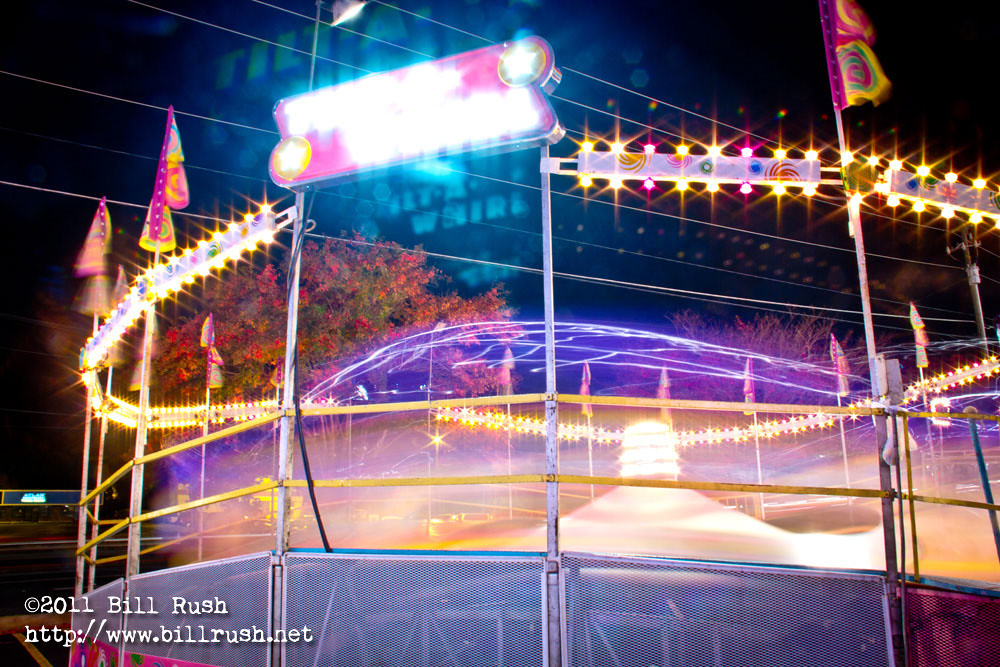
 
It appears to be more than just the filter alone ... notice that there is multiple refractions going on.
I would guess that some of the lens elements also added to this.
 
It appears to be more than just the filter alone ... notice that there is multiple refractions going on.
I would guess that some of the lens elements also added to this.
I do notice that there are multiple refractions 'going on'. IMO, they were all caused by the filter.

Again, IMO, the actual lens elements had nothing to do with this.

ETA: should have been more specific. Yes, the front element had something to do with this, but it was the reflections going back and forth between the front element and filter that are causing the ghosting. Without the filter, there would have been nothing reflecting light back into the lens, thus avoiding the problem.
 
Last edited:
I would like to add that with my 24-70 with a tiffen uv filter i had pronounced flare even shooting towards a indoor light. And almost none without the uv filter

One of the problems with even decent filters is the glass isnt beveled or smoothed off the edges on these filters. If i look where the glass ends it rough cut.

Your lens it concave glass a lot goes into designing the lens. Then through a flat thin cheap peice on top that high dollar lens.

I use a polarizer or nothing and a lens hood all the time, and im just careful
 
Last edited:

Create an account or login to comment

You must be a member in order to leave a comment

Create account

Create an account on our community. It's easy!

Log in

Already have an account? Log in here.

New Topics

Back
Top Bottom