Not many are aware of orbital mechanics, and have to rely on sensational journalism to be appraised of regularly occuring, routinue phenomena.
The Moon has a closest approach (perigee) every time it orbits Earth (or about once every 27.3 days). However, since Earth is revolving around the Sun (dragging the Moon with it) it takes 29.5 days for the Moon to show the same phase (new, 1st quarter, full, last quarter, etc).
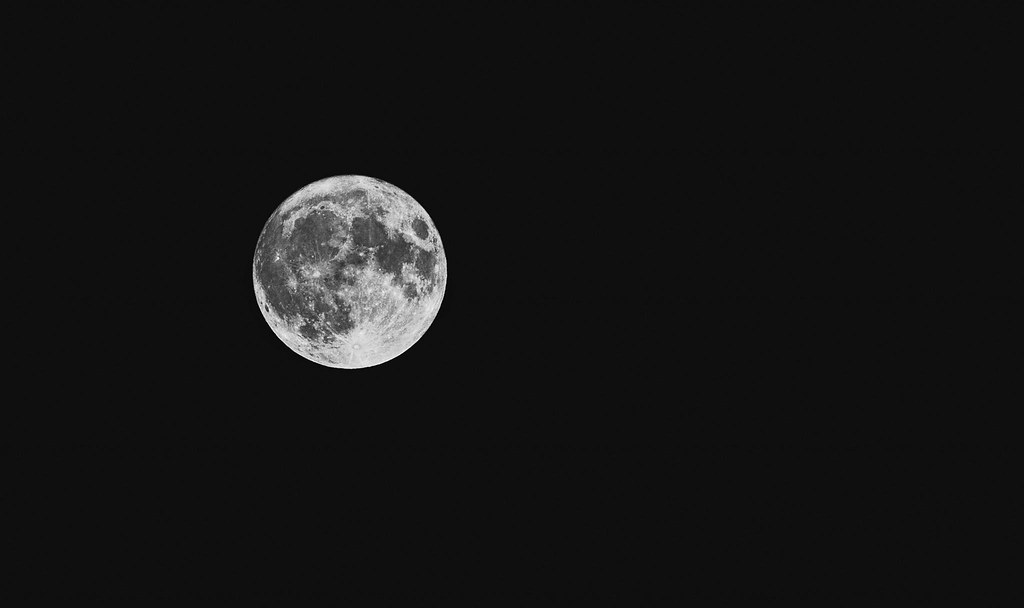
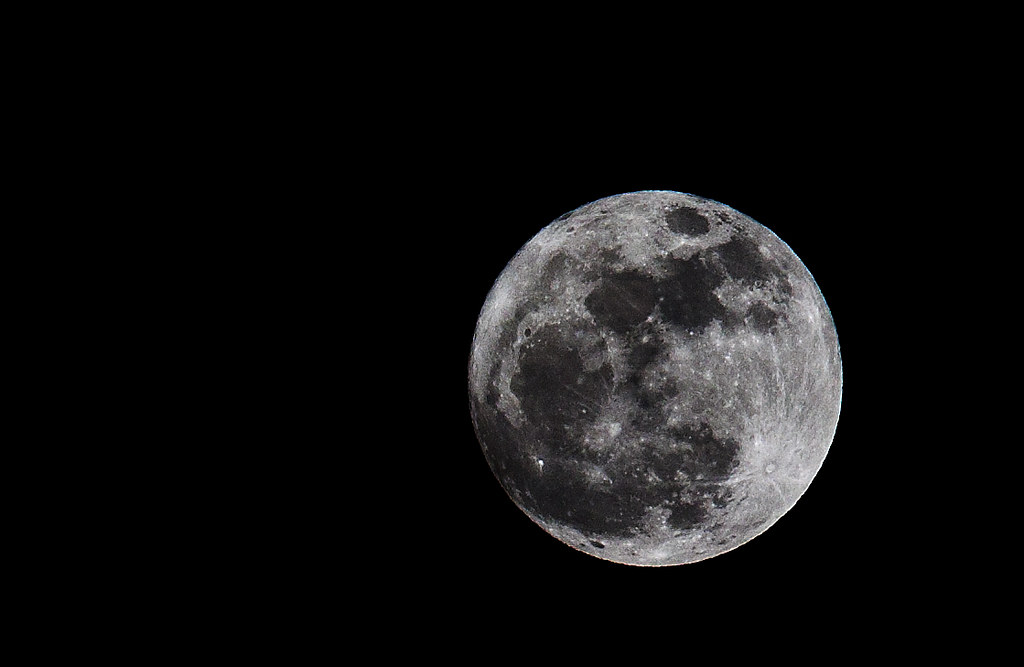
So tonight the Moon will be at perigeee for this orbit (356,577 km from Earth), and because of libration (wobble in simple terms) we will see up to eight degrees of longitude of its eastern (right) side, in effect letting us see some of the far side of the Moon. (Often incorrectly called, the dark side of the Moon, incorrect because when the side of the Moon we see is New, and not lit, the far side of the Moon is full, and completely lit.)
The Moon moves closer and farther, higher and lower, and wobbles about, every orbit.
For those not aware of it, the Sun's gravitational pull on the Moon is over twice as great as the Earth's pull on the Moon, because the Sun has so much more mass than does Earth. The Sun has about 99.86% of all the mass in our solar system.
The Earth and the Moon essentially form a binary, or double, planet and the key point gravitationaly speaking, is that Earth-Moon point of mutual gravity inside Earth, but 4624 km from Earth's center (72.6% of Earth's radius), which defines the path of the Earth-Moon system in solar orbit.
The following illustration is to scale:
You can look at the perigee and apogee distances for the rest of the year here:
http://www.fourmilab.ch/earthview/pacalc.html



 [/EDIT]