Exposure is based on the light source. That's why incident light meters work. With an incident meter you can meter the light directly, set your camera to the settings indicated by the meter, and you'll get an image with correct exposure. The incident meter works by using a small dome. The dome allows about 12.7% of the light falling on it to get through. Based on a presumption of 12.7% light, the meter will calculate exposure values.
Our cameras use reflective meters. These meters measure the light reflected from the scene. Now...a white object can reflect 90% of the light that falls upon it, and a black object can reflect 5% or less of the light that falls on it. How does the meter know how much is being reflected? The answer is that it doesn't...it simply presumes that the scene is reflecting 12.7% of the light that's falling on it.
For typical scenes of everyday life, this presumption isn't far off. But when bright areas or dark areas dominate a scene, the exposure that the camera calculates is usually off. This is what happens with snowy landscapes and close-ups of black dogs. Both turn out gray, because the camera presumed they were gray to begin with. So the exposure accuracy of a reflective meter is entirely dependent on the amount of light that the scene is reflecting.
Center-Weighted metering is an old metering mode developed to address metering inaccuracies. The idea was to concentrate the reading on the subject, and to minimize the influence of the surroundings, which might be bright sky, or darkness at night. CW allowed a subject to have a greater influence on the metering calculation, but if your subject is a snowman, it makes little difference...the same presumption of 12.7% gray exists, and the snowman will be rendered as gray.
If the camera is presuming that the world is gray, then the easiest way to get correct exposure is to give the camera what it wants...give it something gray to meter. This is the idea behind the gray card. When you put a gray card in front of a camera, you get the same effect as the dome on an incident light meter. A known amount of light is reflected, and that allows the meter to set aperture and shutter correctly. (That said, most gray cards are 18% gray and the camera is looking for 12.7% gray...but let's talk about that some other time.)
Spot metering is the mode that is used by people who understand all of the above. It is used with an expectation that the camera will be wrong. Spot metering allows a person to isolate a small area of the scene so that it can be metered without the influence of its surroundings. Then, based on the photographer's own personal evaluation of the tone that is being metered, the photographer applies a correction to the meter reading in order to achieve correct exposure. That's what the Exposure Compensation control is for. With Spot metering, EC, and a sense of how tones will be rendered (or a gray card in hand) you can precisely control how a scene will be rendered.
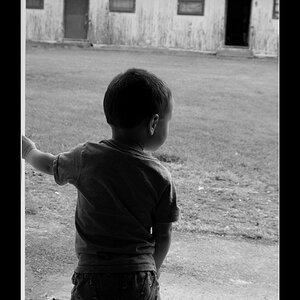
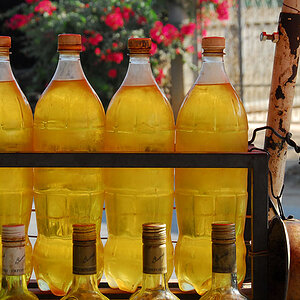
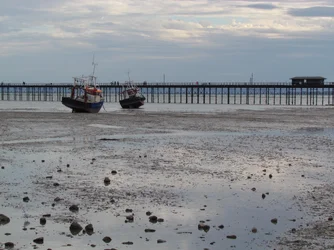
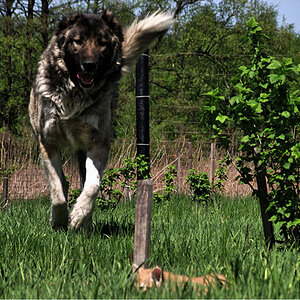
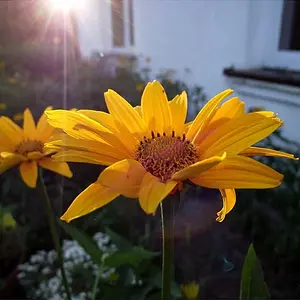
Which brings us to your images. It's impossible for us to make any sort of evaluation on the metering. If you were striving for accurate metering and an accurate rendition, then one, or even both, of the images is wrong. We can't say which one, because we don't have an independent incident meter reading of the scene. If you were striving to manipulate the mood of the scene using luminance, then the correct one is the one that conveys your message. That's simply artist's choice, and all we can do is like it or not like it.
What you definitely should not be doing, however, is trying to draw any conclusions on the effectiveness or suitability of various metering modes based on how a few images are rendered. That literally tells you nothing. Both metering modes can be accurate and both can be inaccurate. But If you understand how the meter works and how to control it, then you'll get the metering result you want.





![[No title]](/data/xfmg/thumbnail/42/42492-60144191c917c21139f8acd72f6ba090.jpg?1734177011)
![[No title]](/data/xfmg/thumbnail/33/33031-909b1e1ff8739eef165c60b70c9a6a38.jpg?1734163051)