The typical way to get into editing is mechanical.
People learn some photo-editing techniques or tricks and then they want to use them - soon and often. When all you have is a new hammer, everything looks like a nail.Witness the typical output of photographers new to editing doing selective color or heavy vignettes. That attitude unfortunately goes along with considering the taking of pictures as a mechanical procedure with some tiny bit of artistry spread or just sprinkled on top.
Sometimes, people new to the editing process think the solution is to find and use a 'workflow' as if having a recipe will guide them in post-processing. That's like thinking that developing a project plan to build a building is the same thing as designing it.
The first thing that must be learned about post-processing is not the 'how' but the 'what.' And deciding what to do is the difficult part, learning to look at images and understand what issues stand between as the image is currently and what it could be.
Once those issues of what to do to the image are identified then those changes can be fit into a workflow to bring the image to its potential.
The most difficult thing about editing one's own image is to be objective about it. After all, the maker identified the image as having something interesting, worth capturing and rendering and thus is tied to the image as it is in his/her mind's eye. How can the maker, especially someone relatively new to this, somehow step back and un-see the image, detach themselves emotionally and look at it with a cold, critical eye in order to identify weaknesses?
I suggest this.


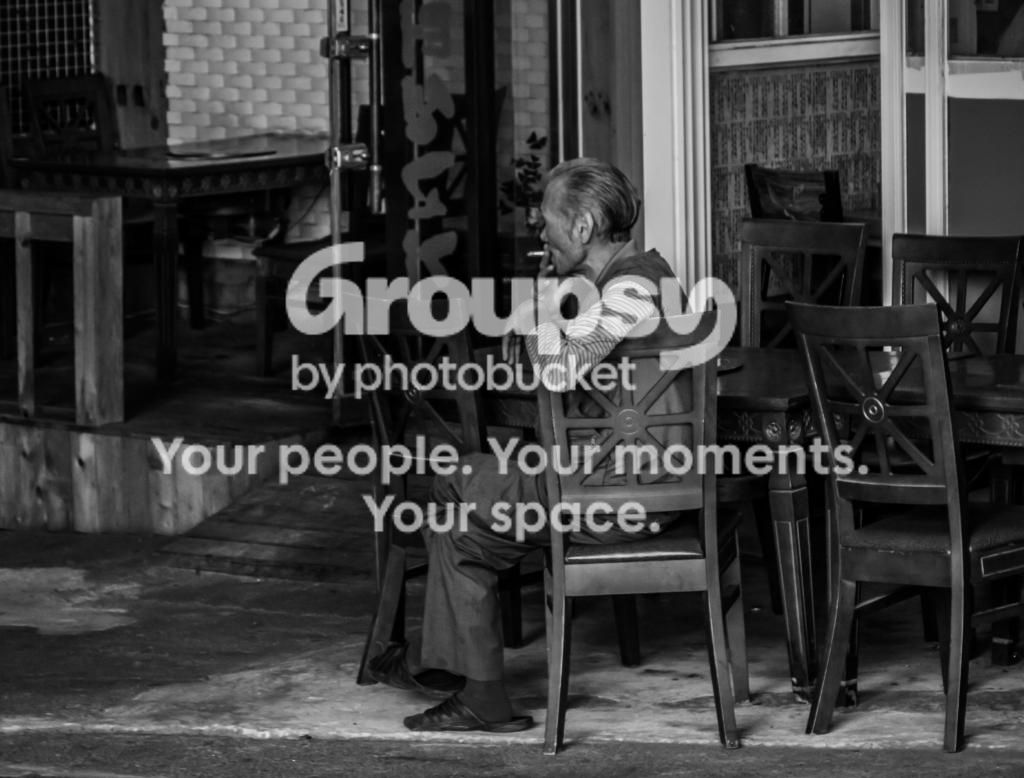



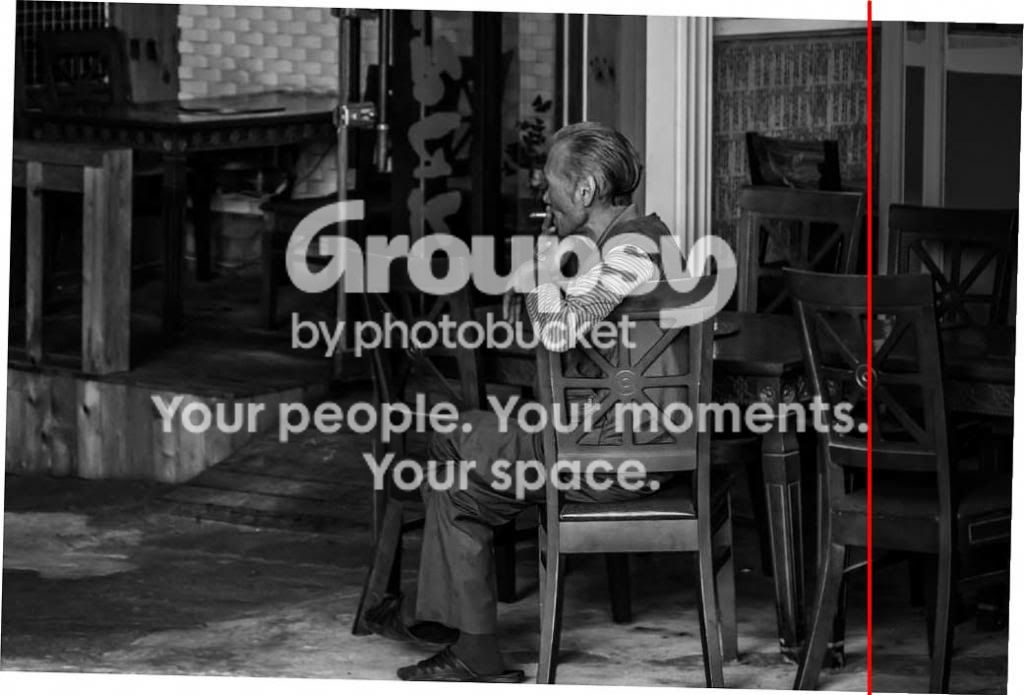









![[No title]](/data/xfmg/thumbnail/42/42253-fef7e43227f484b1a95dd6d85c03bd40.jpg?1734176623)