Always the comedian, eh, Lew? That was pretty good, I admit.
Since I've been accused of excessive brevity, I will take that as license to indulge myself. Whatever you want to call it, HCB was doing a particular thing. What was that thing?
The money quote we've seen a few times in this thread:
"To me, photography is the simultaneous recognition [...] of the significance of an event as well as of a precise organization of forms which give that event its proper expression."
What could he mean be the last bit? You can simply ask around people who understand this stuff. Or you can work it out yourself. As follows.
The key elements are these:
- Henri was trained as a painter in the early 20th century
- He had, therefore, a grasp on Victorian ideas of composition.
- He was a bit of a surrealist.
- He loved a good visual joke.
These are facts. You can probably get this off Wikipedia. If you wish these ideas even a little you'll stay to see them leaping out of the frame in HCB's photos. He was not subtle. It's all there in big obvious chunks.
So his conception of the configuration of forms that give an event its proper expression was, it is reasonable to guess, painterly, given his training. The moment at which you press the shutter is NOT necessarily:
- The moment before the bomb explodes
- The moment the man kisses the girl
- The moment the girl turns and leaves him forever
- Etc
Indeed there is no particular reason that the moment of the shutter press should be a particularly special moment for the people in the scene. Ten seconds earlier, a minute later, might well be all the same to them, or even a moment of greater import.
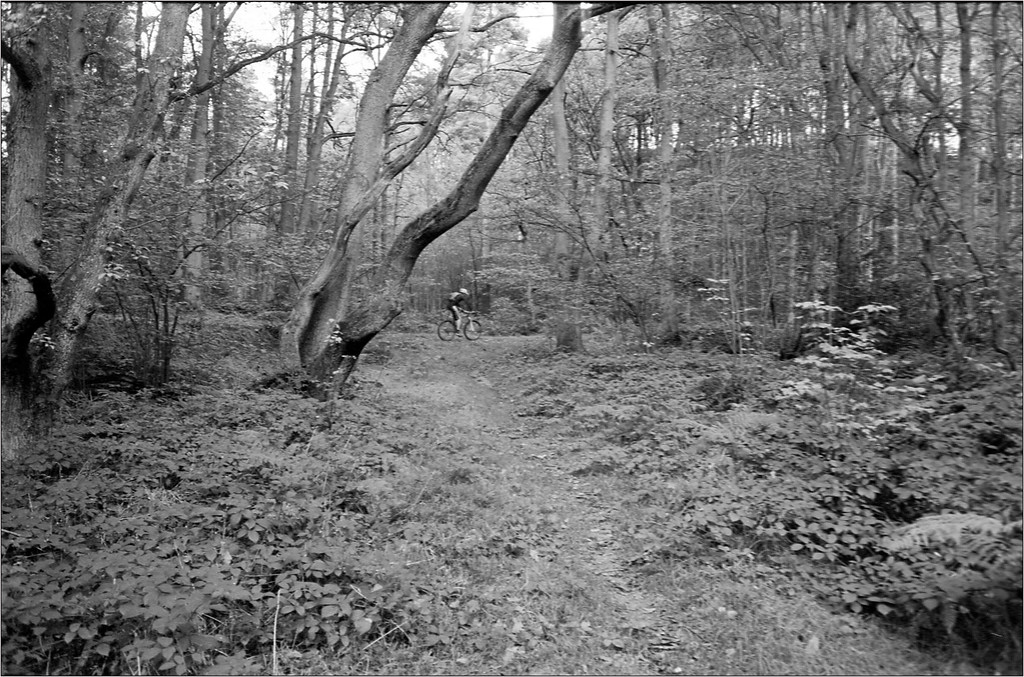
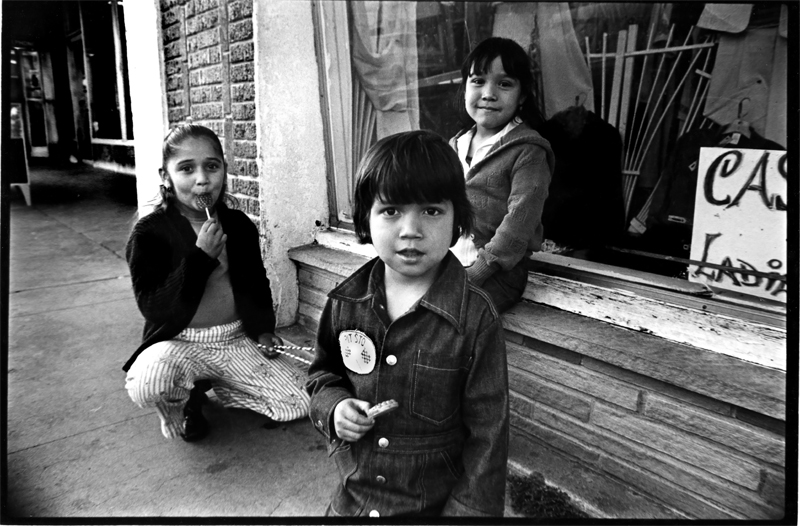
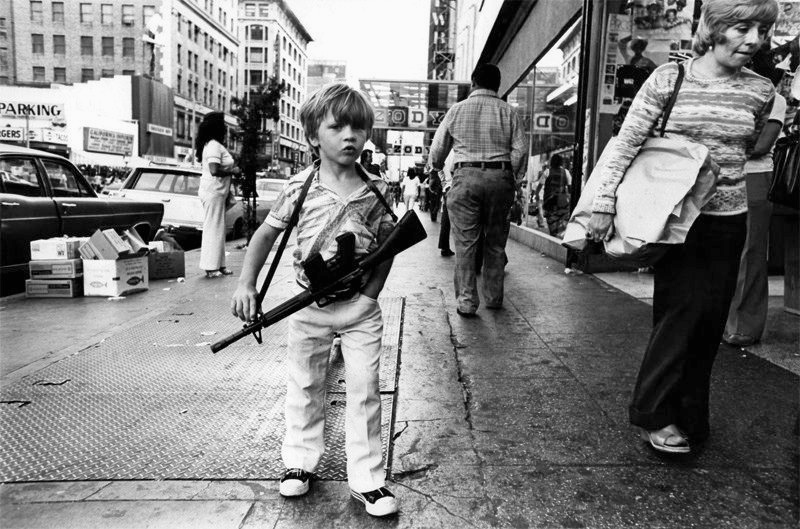
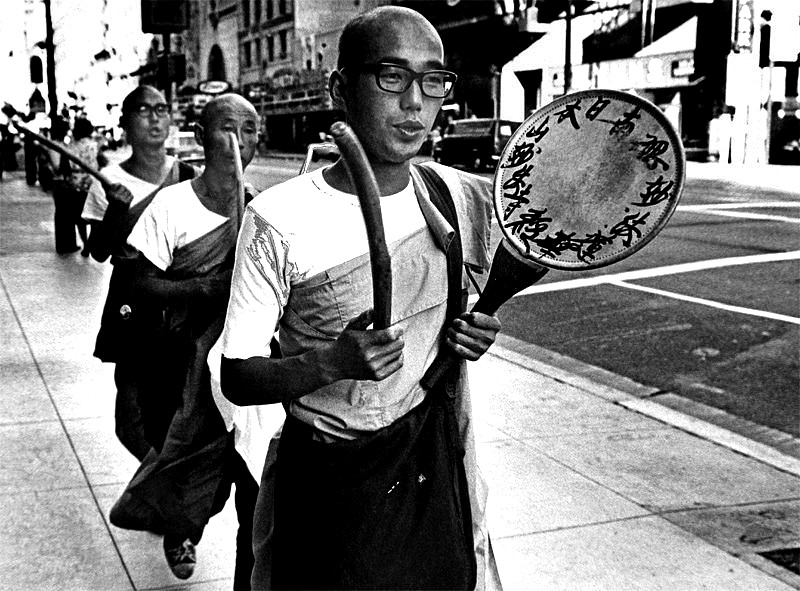
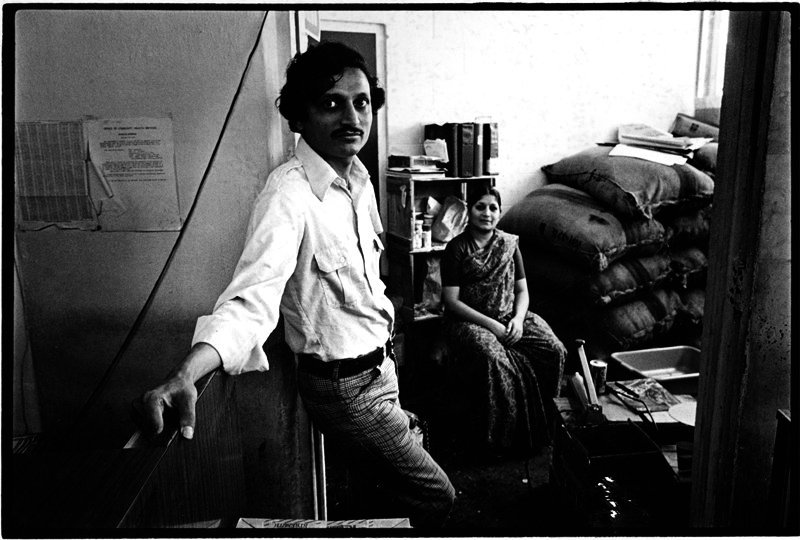
No. The moment you press the shutter is the moment during which the frame contains a painting of boys at play, of a nation at war, of a man behind a train station. The moment is essentially graphical, not human.
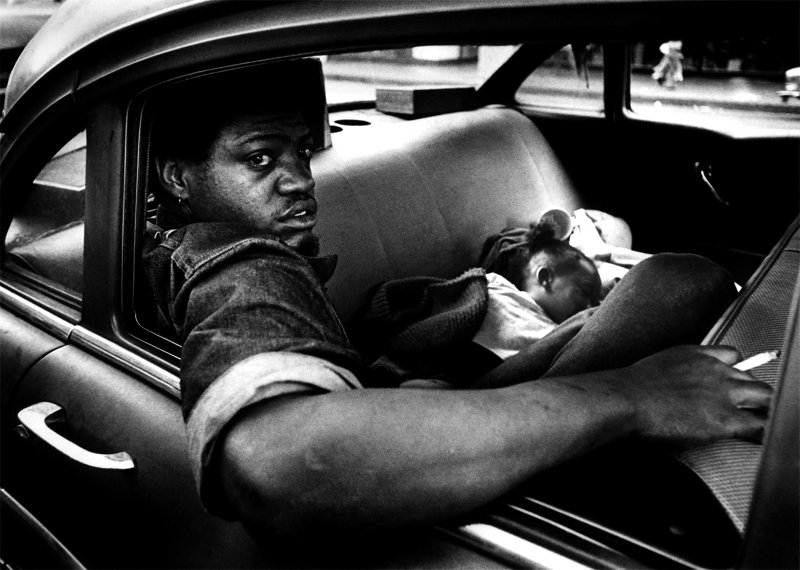
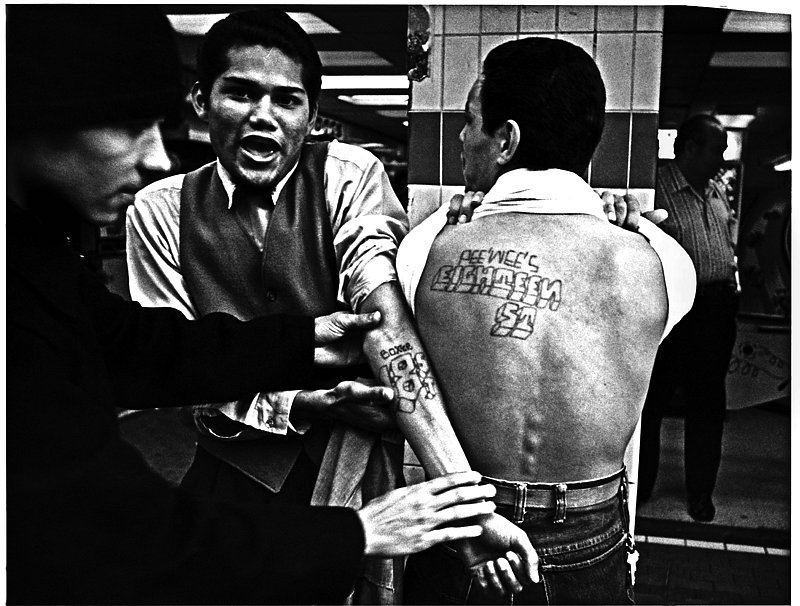
Indeed, if you photograph the moment of greatest human weight, you have a photograph of an instant. You are less likely to have a photograph which expresses the event as a whole, since your photo is so firmly about the instant. It's not a picture of a romance, it's a picture of a kiss. It's not a photo of boys at play, it's a photo of a boy falling.
This is all obvious once you have the background in Victorian composition and in surrealism, once you look at the photos.
Or, as I say, go ask an expert.
The common misconception is the the decisive moment is the human moment. It is not. It is a graphical moment. It's about forms and their expression.





![[No title]](/data/xfmg/thumbnail/41/41889-81d59d4994c91e71aaf805b05b133966.jpg?1734176241)
![[No title]](/data/xfmg/thumbnail/36/36657-3774cdd7ebbafa5ccac2741386b9949a.jpg?1734169171)
![[No title]](/data/xfmg/thumbnail/36/36659-4b8fd1b317df0e73ccfe5775494a6f5a.jpg?1734169171)

![[No title]](/data/xfmg/thumbnail/36/36660-bd2cdec38aac6e50675fa36657307cba.jpg?1734169171)