...but a LOT of them seem WAY over-photoshopped to my eye. Extreme contrast, saturation and sharpness boosts that are clearly done in post-processing.
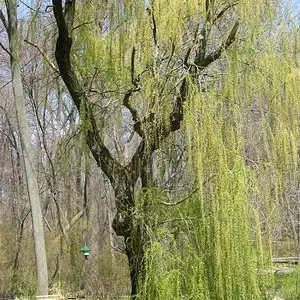
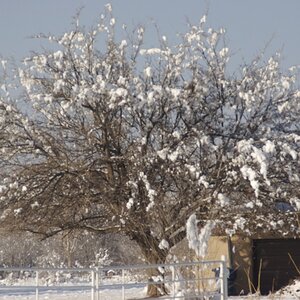
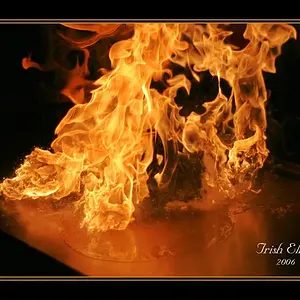
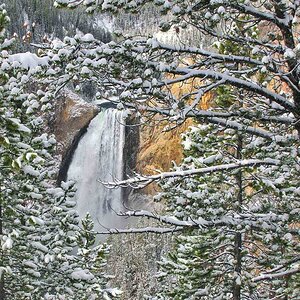
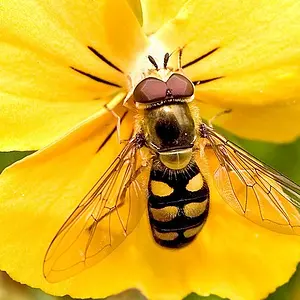
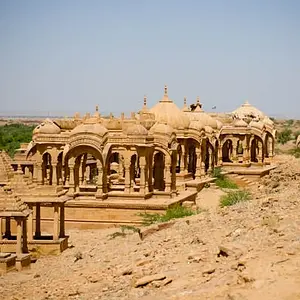
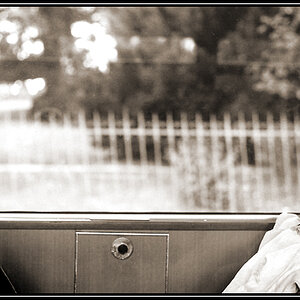
Look at those again. Do you see the problem that occurred long before the processing? Boring subject matter and light, or at best mediocre and common place. That's the problem. The over processing is just an attempt to make something out of nothing, and that's very tricky to actually pull off. The subject matter can't hold the viewer's attention, and they begin to dwell on the processing. Better to come up with compelling subject matter and interesting light to begin with. Then no one will pay attention to the processing whether it's a light touch or heavy handed.
"The sheer ease with which we can produce a superficial image often leads to creative disaster." -Ansel Adams
Also... was it even possible to do this with film prior to Photoshop? If so, did it take extraordinary means to do so? Or was it common?
I haven't bought film in a few years, but extra and ultra saturated films have always been popular. When Velvia was introduced half the photogs loved it, and the other half thought it was an abomination. I've heard it's the photo contest winningest film ever. The colors it produces are not particularly accurate to any reality I've been part of. Kodak and Fuji both offered several ultra saturated versions of their pro neg films too.
Many of these fancy Photoshop manipulations are technically possible in the darkroom. Obviously burning and dodging are basic darkroom techniques, but unsharp masking and sophisticated contrast manipulations are possible. They just take all day, you have to do it in the dark, and there's no saving or going back. Once you goof you have to start from the beginning, and if each test print takes all afternoon it may be weeks before the finished photograph is realized.
The color darkroom is particularly difficult because you can barely use any safelight, and it's hard to tweak color one way without effecting it in other ways that we'd rather not change. In Photoshop we can adjust each slider/input individually without effecting the others. In the color darkroom it's like they are all interconnected, and sliding one means messing up some of the others.
So while yes, this stuff could be done with film, it was such a pain in the ass that no one would ever bother to do it with anything but their best work.

I used to USM about 6 to 8 landscape photos a year; it was always from 4x5 film, large prints, and definitely my best stuff. Now all of my family snaps get unsharp masked!
Do they need it? Not really. Does it make them masterpieces? Nope. Do I think they look better because of it? Yep.
I think everybody gets fascinated with new tools and techniques for a while. I couldn't keep my hands off the saturation when I first started digital processing. HDR and the over-the-top Photomatix tonemapped look really grabbed me too. Dave Hill, Dragen, etc..., but I find the thrill wears off the gimmicky, flashy stuff pretty quick. People either move on to the next image trend or fall back on the fundamentals.
Once upon a time, not too long ago really, color photography was considered a gimmick, and too over the top for serious fine art photographers.







![[No title]](/data/xfmg/thumbnail/41/41892-d6f91fd1c816420825658ffaad56df78.jpg?1734176245)