I'm sorry that I can't provide an iron-clad ideal exposure for your situation -- the best I can do is to try to provide an understanding of grey card use.
Forget color for a moment and think in terms of b&w. A good b&w negative has a range of greys going from almost clear to almost full black. The middle of that range is called 18% grey. That's the same grey as a grey card. If you hold a grey card so that the light which falls upon your photographic subject falls on the grey card, and if you take a reading of the grey card with an accurate exposure meter, you'll get an exposure recommendation. If you use that exposure recommendation and photograph the grey card itself, the developed negative will be [Yup, you guessed it!] middle or 18% grey.
But what will happen if you use the reading from the grey card to photograph your subject? Those parts of your subject which are the same grey as the 18% card will end up as middle grey on the film. Those parts of your subject which are lighter will end up darker on the film [lighter in the final print.] Those parts of your subject which are darker will end up lighter on the film [darker in the final print.]
Now let's go to color. Think of colors in terms of pale, light shades and deep, intense shades. A pale color in full light is at one end of the scale. A deep color in shade is at the other end of the scale. But a reading of exposure for the ol' 18% grey card will still end up in the middle of the scale. Colors of medium intensity are the ones that will also end up in the middle of the scale if you use the recommended exposure for the grey card.
When photographing planes against the sky, the underside of the plane, if in shadow, will be at the dark end of the scale, especially if it's painted a deep color. Parts of the plane in full sunlight, especially if they're reflective silver, will be at the light end of the scale. A light blue sunlit sky will fall toward the lighter end of the scale. White sunlit clouds will also be at the far light end.
The very best you can hope for will be an overcast day. Light on such a day results in more even lighting and a smaller range of light to dark. A small error in exposure will matter less on overcast days. The grey card reading will probably let you capture all of the color intensities in the scene with room to spare.
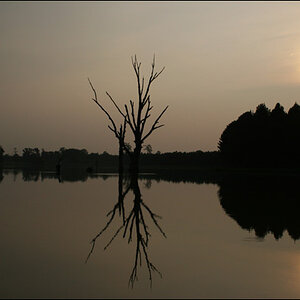
If you have bright sunlight there's a risk that colors in deep shadow will go to black or light colors in full sunlight will go to full white, depending on where you set your exposure. The grey card will tell you which exposure to use for the middle colors to end up in the middle of the film's [sensor's] range, but cannot tell you if you will capture the darkest or lightest colors correctly. If the range of colors seems to be extreme, you can shift a stop or two toward the end of the scale you don't want to lose. That means reducing the total exposure if you don't want to risk losing the lightest shades, or increasing the exposure if you don't want to risk losing the darkest shades.
Again, I can't provide a single correct answer to your question. The choice will remain yours. If you're using a digital rig with histogram capabilities, you can get a pretty good idea of the range of color intensities in the scene and adjust if necessary.