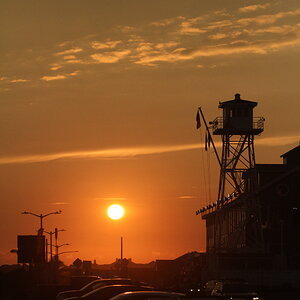
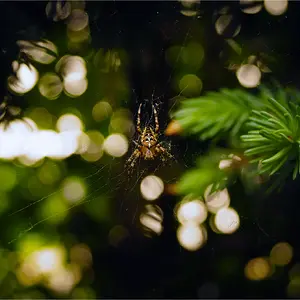
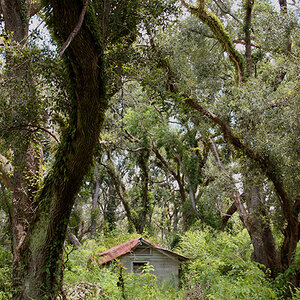
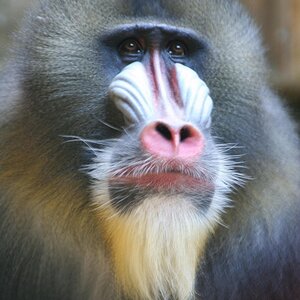
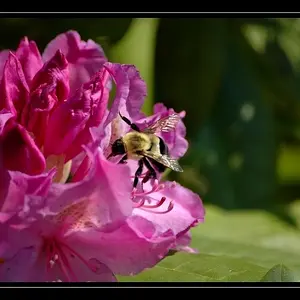
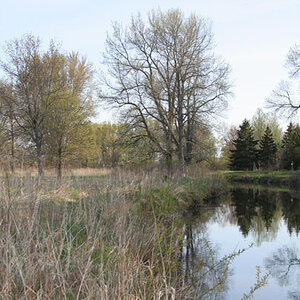
Perhaps you would care to tell us what you don't understand about white balance. What setting did you have for the white balance in these pictures? Ignoring the black and white images, it would seem to me that the white balance of images 2, 4, 5, 6 and 9 are similar, not exactly the same, but close. I suspect that changing the power of the flash might have an effect on the white balance, although I have never tested this aspect of a flash's output. Image 8 is a bit different, having a bit of a reddish cast to it. Not sure why this is the case, but maybe if you tell us the details of each, then maybe someone will be able to explain this difference.
In its simplest terms, white balance is that aspect of an image that can be adjusted in camera or in post processing so that the colours in an image are as true as possible. Different light sources have different colour hues to them, for example, the light from a flash is quite different from sunlight in the middle of the day. Even the light from different flash units may have slightly different Kelvin temperatures and thus have an effect on white balance. White balancing allows the photographer to adjust the colours in an image to account for these types of differences. These adjustments can be made in the camera, by setting an appropriate white balance setting, or they can be done in post-processing using a development adjustment to refine the white balance. If you Google "white balance", you will find a wide variety of references and explanations that will, hopefully, answer any questions you may have. If they don't answer your questions, then post back and someone will probably be able to help you.
WesternGuy


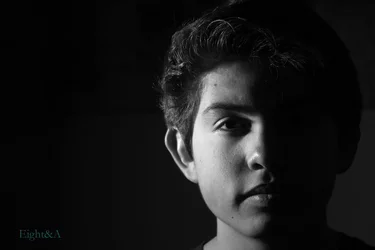 2

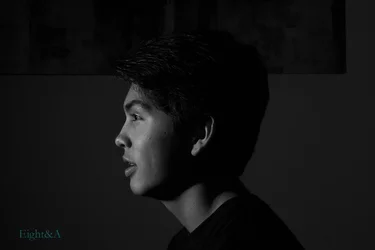 4

 6

 8