I'm surprised to hear this was not so.
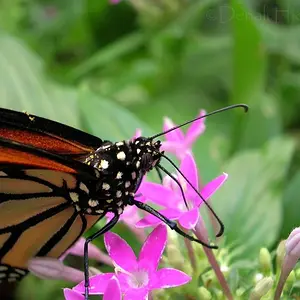
A normal intensity flash, (i.e. not a weaker fill flash), would have frozen the wings as well as the neck/head. This is the best of both worlds, I think, as the head stays relatively sharp and the wings express motion. Notice the last line, flash fired=false.

Here's some of the technical details if anyone is interested:
<exif:ExposureTime>1/320</exif:ExposureTime>
<exif:ShutterSpeedValue>8321928/1000000</exif:ShutterSpeedValue>
<exif:FNumber>9/1</exif:FNumber>
<exif:ApertureValue>633985/100000</exif:ApertureValue>
<exif:ExposureProgram>2</exif:ExposureProgram>
<exif:ISOSpeedRatings>
<rdf:Seq>
<rdf:li>400</rdf:li>
</rdf:Seq>
</exif:ISOSpeedRatings>
<exif:ExposureBiasValue>0/6</exif:ExposureBiasValue>
<exif:MaxApertureValue>30/10</exif:MaxApertureValue>
<exif:MeteringMode>5</exif:MeteringMode>
<exif:LightSource>0</exif:LightSource>
<exif:Flash rdf

arseType="Resource">
<exif:Fired>False</exif:Fired>



 Good pic



![[No title]](/data/xfmg/thumbnail/36/36662-242aa39f5cb3a23494857864779f669b.jpg?1734169171)
![[No title]](/data/xfmg/thumbnail/31/31012-f5e0c7cdea2f2c3e44737e3f61c2461a.jpg?1734159086)