What's new

Canon: light metering at something else than the subject

Compaq

Been spending a lot of time on here!
Joined
Aug 29, 2010
Messages
3,400
Reaction score
657
Location
Norway
Can others edit my Photos
Photos OK to edit
I don't know what to call this function, but I'd like to see what you guys use it for. I came across is the other day, and it really helped me take a picture of a person with a very bright sky behind him. I chose spot light metering (probably could have used the center weighted LM as well), and let the camera measure the light reflected by the sky. I then recomposed, popped up the flash and focused on the person. The flash ensured that the person weren't black (or very dark), and measuring the sky let me have the sky detailed and nice and blue with clouds instead of having it blown out and white (measure light on person).

Is this something that you gents have tried? What other uses does this function have (apart from other similar scenarios where the subject is standing in front of a bright background)?

Thank you for answering, discussing or just reading :)
 
Spot metering? Or exposing for the background and flash fill for the subject?
 
Well, I exposed for the background with spot metering.
 
It's a tried and tested method indeed - using the flash to fill in the foreground lighting on the subject whilst letting the camera expose for the brighter background. This is just taking it beyond a light fill flash to where the main subject is being lit dominantly by the flash itself - it can be as simple as a one flash or one reflector setup or you can go further and use a full lighting setup with several controlled light sources with a naturally brighter backlit background.

This vid might give some an idea:

 
Last edited by a moderator:
Well, I exposed for the background with spot metering.
Yep, that's what spot metering is for and why spot metering samples such a small part of the scene.

You've discovered a technique first used about 175 years ago.

You can also meter the dark subject, and with the 2 meter readings you can calculate how much flash to use on the subject to get the lighting ratio you want.

With most Nikon DSLR cameras the spot metered is co-incident with the selected focus point, while many Canon cameras can only meter in the center of the viewfinder, because many Canon entry-level cameras don't have the spot metering function at all.
 
assuming the background is a blue sky, you would be underexposing the photo if you do that. You need to put the exposure between +1 and +2 if you meter the sky.
 
The subject being underexposed, yes? I understand, and that's why I flashed. But would compensating between +1-2 result in a better exposure? Compensating between +1 and +2 would give me between 1 and 2 stops of longer shutter speed, which seems to me to be sort of the opposite of exposing for the background. Of course, I must say, I'm not sure how many stops difference there is between a blue sky and the subject, but I suppose it must be more than 2 stops, or else compensating with +2 would just give me the same exposure as exposing for the subject without compensating? I'm probably thinking completely wrong! :)

Okay, I need to practice with this compensating thing more, my head is all messed up. It's a bit confusing at first! :P
 
assuming the background is a blue sky, you would be underexposing the photo if you do that. You need to put the exposure between +1 and +2 if you meter the sky.

Not when using a flash manually to compensate for the under-exposed subject.
 
Nope.. im talking about the whole exposure, not the subject.
 
assuming the background is a blue sky, you would be underexposing the photo if you do that. You need to put the exposure between +1 and +2 if you meter the sky.

I think I understand where you are coming from, but you're trying to link two bits of theory together without first separating them to be seen as individual parts.

First up we've the method we are discussing in this thread, which is to meter from the brighter background areas and then use flash (or other lighting) to boost the lighting in the foreground subject so that we end up with a final photo with a good exposure over both background and foreground.

The part you are trying to bring in now is the concept of exposing to the right - which is based on the histogram reading and is linked to getting as much of the lump of the exposure on the right side of a histogram when shooting (in digital) as possible, without actually hitting the far right hand side and overexposing the photo. The result being that you get the most light data to work with and can then selectively darken key areas in editing; which is superior to lightening darker areas of the photo (because that introduces more noise into the shot).


The reason then that you need to "over" expose the sky is based on the fact that the meter is always aiming for the 18% grey mark whilst the sky itself is brighter than that value; ergo it underexposes the sky to make it as close to the 18% grey as it can. Therefore you have exposure space to increase the exposure on the skylit areas (similar to how snow will underexpose and come out grey instead of white). Putting specific values to this is of course tricky since each sky will have its own differences; so if you are spot metering the scene you'd want to focus on the brightest points in your shot to work from.


Remembering that this is the theory of shooting and that actual shooting might well result in you not being able to get the perfect theoretical exposure - and furthermore realising that the theory is only referring to light gathering and no other artistic effects you might want/need.
 
Nope, im not talking about exposing to the right. I am talking about the zone system. Think about it, if your sky is the brightest part of your photo and you put it to 0, what will be your high light? Your whole photo will be underexposed.

I just reread your response overead.. yup you got it.
 
Nope, im not talking about exposing to the right. I am talking about the zone system. Think about it, if your sky is the brightest part of your photo and you put it to 0, what will be your high light? Your whole photo will be underexposed.

I just reread your response overead.. yup you got it.

Yeah I kind of did the same two with one part and cobbled the 18% grey exposure into the expose to the right part.

However I don't recall the OP specifically setting the background (ie the sky) part of the exposure as the strongest light in the exposure; just the strongest constant light in the shot (without flash). This means you can set the sky to 0 (ie no exposure compensation) and then light the main subject more strongly; giving you a darker background and a brighter foreground main subject.
This can be done subtly (since we focus on brighter areas over darker ones a slight difference helps focus on the main subject to start with) or to the extreme where the background and subject almost look copy/pasted together because of the difference (the little video I posted up above shows this very effect).
 
I wish I could, but I was just fooling around with a friend, and those got deleted pretty quickly :P

Anyway, really interesting to read what you're all saying. You clearly understand exposure much better than I do.

I chose spot metering so that I could accurately meter a small part of the sky. I don't think I chose the brightest ( a white cloud), but the blue sky. I was in aperture priority, and the blue sky gave me a slower shutter speed than at the cloud, so I suppose that cloud was brighter. Anyway, I metered off the blue sky and focused on the person. Pop-up flash at -2ish. I also think I tried out custom WB using a shot of the white cloud.

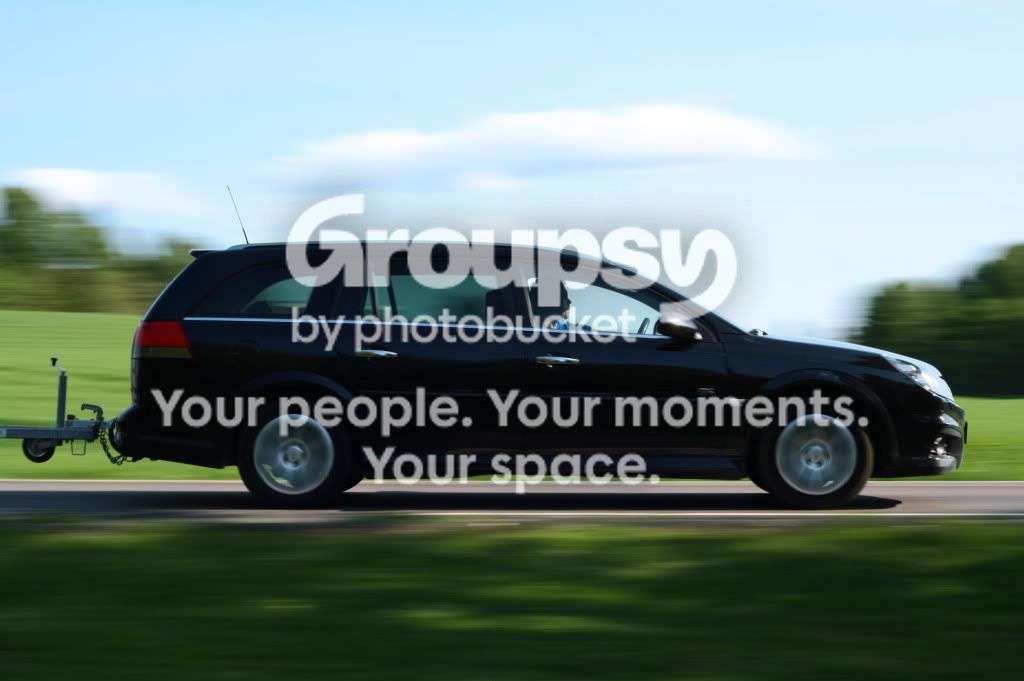
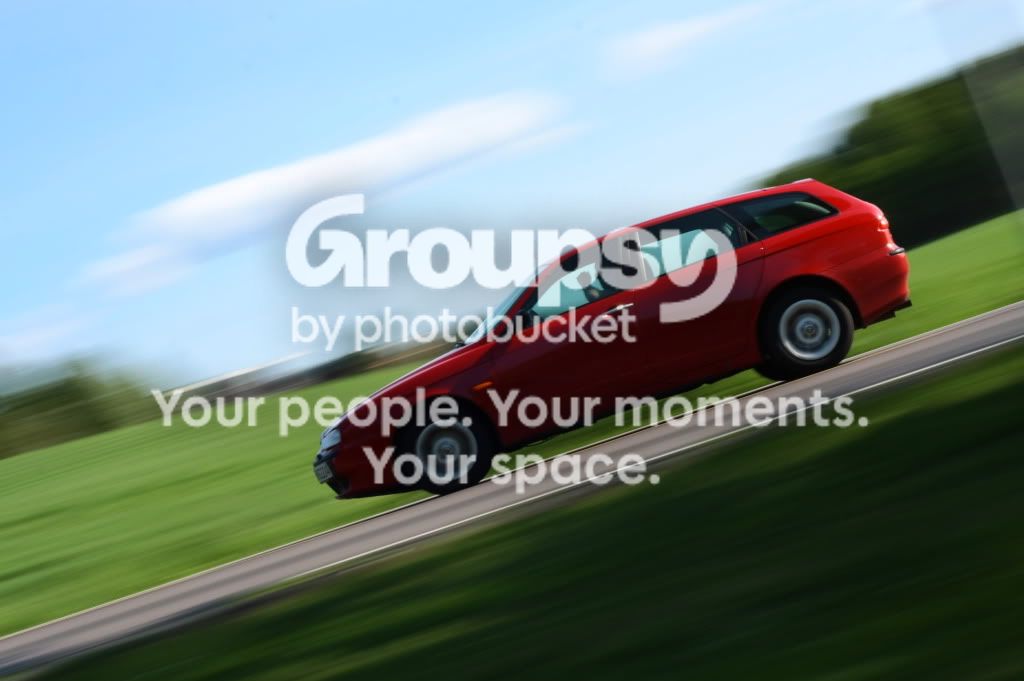
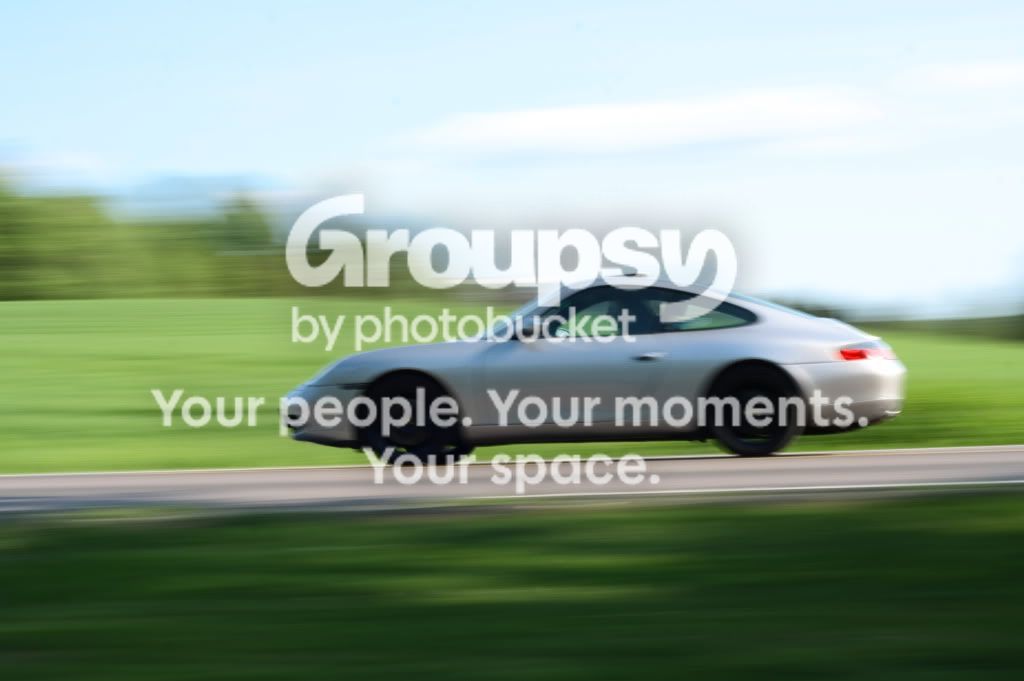
I was out today and trying to get a few shots of some flowers, and then spent 20 minutes practising panning cars passing by. Of course, when the only decent looking car in a 20 mile radius decided to pass, I epicly failed :D Check it out:

1
IMG_6962.jpg

2 :)
IMG_6967.jpg

3 (creative corner)
IMG_6974.jpg

4 the last car I shot, hehe
IMG_6979.jpg


I think all of these are at 1/40th of a sec or something and around f/22. It was a sunny day, and I really had to stop down in order for me to have that slow shutter speed. Notice that the cars are slightly underexposed, and the sky slightly overexposed. When I metered off the car, the sky got blown. When I metered off the sky, the car was black. The flash wouldn't have helped much, and it's sort of difficult to HDR panning shots ;) So I was stuck somewhere in exposure limbo :mrgreen:
 
Cross the street and shoot from other side. :)
 

Create an account or login to comment

You must be a member in order to leave a comment

Create account

Create an account on our community. It's easy!

Log in

Already have an account? Log in here.

Back
Top Bottom