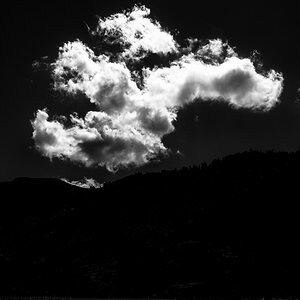
Composition does not have to lead your eye to a central subject that says, "this is what I took a photograph of." You can take a photograph of the whole, in which case it only needs to balance and look complete.
[/QUOTE]
I completely disagree, as would most landscape photographers.
Before you bring the camera to your eye, you should know what your "subject" is and what you are attempting to capture. Them, you must work the shot until you get the composition you are looking for. Without this, your picture will be nothing but a snapshot.[/QUOTE]
I doubt it.

Your's is certainly one approach and I'm by no means saying that it's wrong. Before we go any further your original statement to which I was referring was:
What's the subject? The church? The sky? You should always have a subject and the composition should lead they eye to the subject.
Why must the subject be a 'thing' that's contained within the frame, and why must composition 'lead the eye'? The trouble is that if you start with a fixed definition of what you think a landscape should be, and how you think it should work, then what you're really doing when you raise the camera to your eye is trying to make it conform to that definition. This is always the danger, that if you start with a fixed view and try to apply that fixed logic to every image, then you effectively become blind to anything outside it.
But why can't the landscape be the entire frame? Consider your subject as peace, tranquility and calm. Would that not stretch from border to border in your image, and then couldn't composition just be the use of colours and balance rather than leading your eye anywhere?
You could also start by asking what it is about the scene that appeals to you, then why it appeals to you, rather than a bias towards what is the subject and how can I make it fit within my understanding of landscape. It can be as simple as a combination of colours or shapes, so how do you lead the eye to a combination of colours? You don't, you balance them within the frame and they become the subject. It's the same with repeated motifs or shapes, percussive rhythms and other devices that are common in landscape photography.
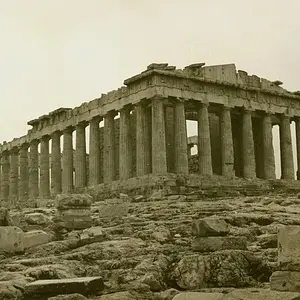
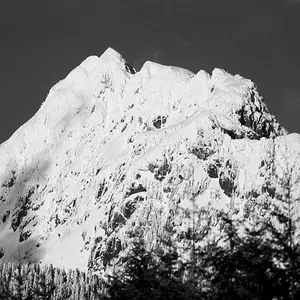
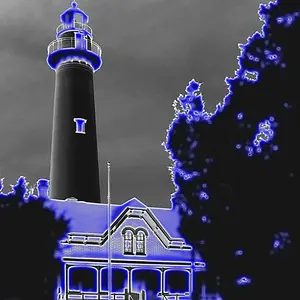
Landscapes don't even need a subject. They can be just a simple balance of shape form and colour, the picture can be the whole. I personally like to explore the 2D nature of photographs and often try and reduce them to the simplest of forms so they become just the interplay between elements. It's just a different approach which is just as valid as yours:
Beach, Low Tide, South Uist

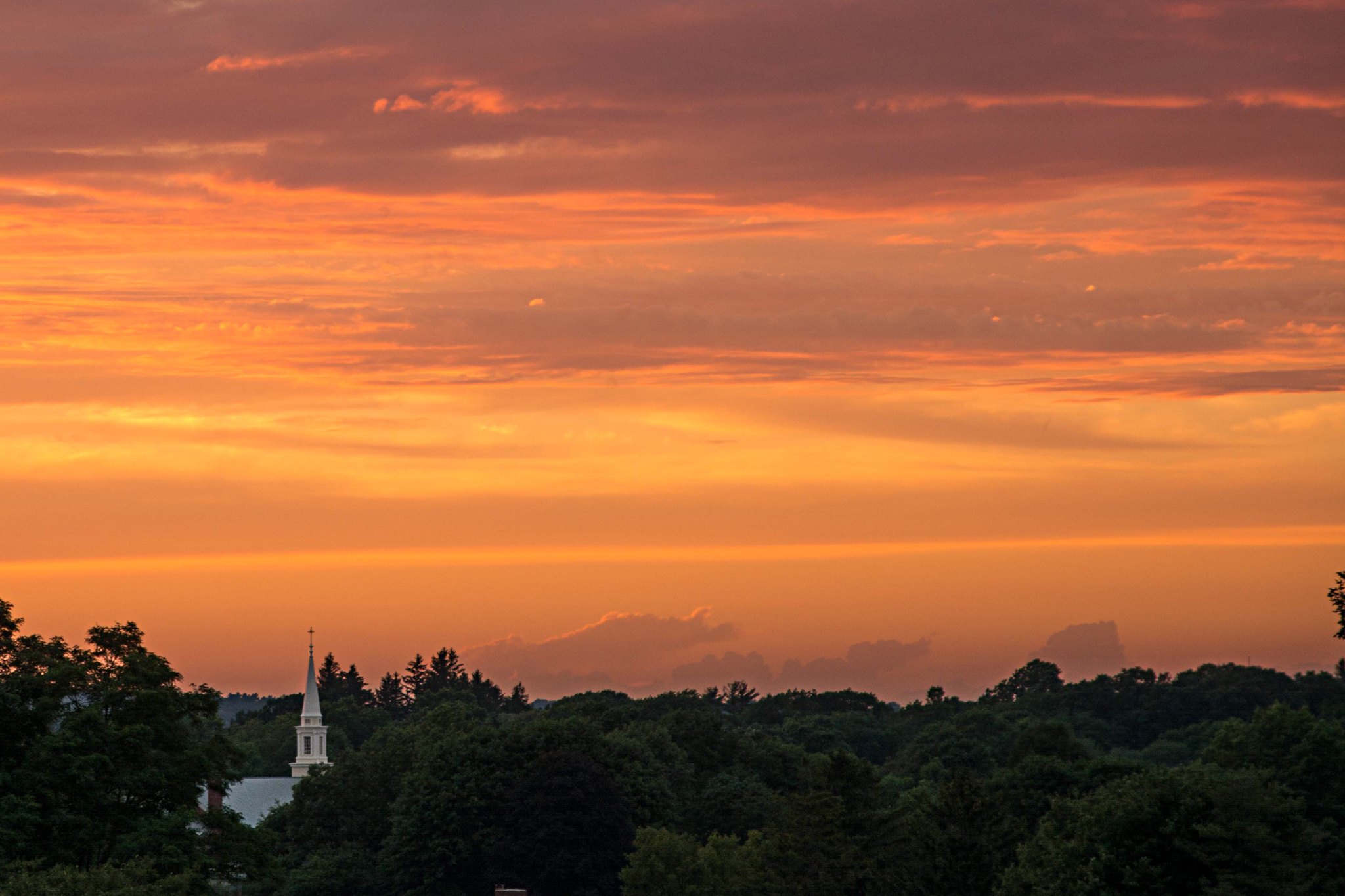 Melrose_2959_edited-1 by SharonCat..., on Flickr
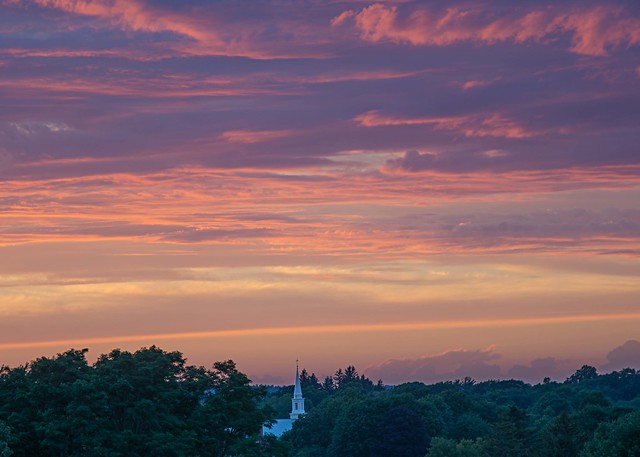 Melrose_2969_edited-1 by SharonCat..., on Flickr
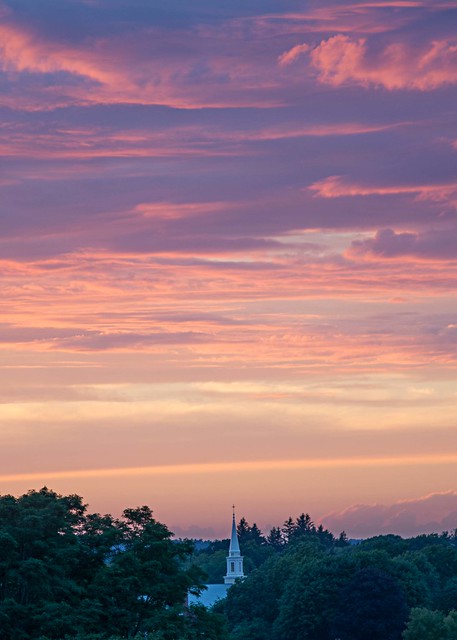 Melrose_2970_edited-1 by SharonCat..., on Flickr


![[No title]](/data/xfmg/thumbnail/34/34042-f37784c4a5db3d0cf34059cad22b288c.jpg?1734164453)

![[No title]](/data/xfmg/thumbnail/35/35948-700e0d840da0ca73727b1bd6d99b4142.jpg?1734167751)
![[No title]](/data/xfmg/thumbnail/35/35952-55c8d42ec1c6ff0e13b45356cbf9c068.jpg?1734167758)