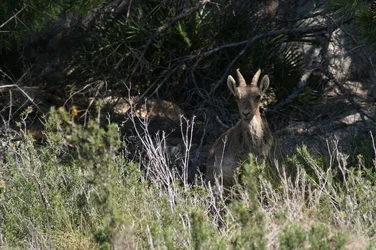
In the first one, the ibex is underexposed, because it's in the shade; it's also so small in the frame, and so well camouflaged, that it just doesn't really stand out as the "subject" of the photo.
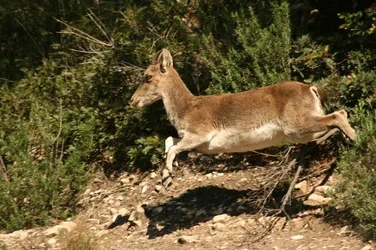
In the second one, I like the action you've captured better, and the ibex is more clearly the subject, but it's not really that sharp, focus-wise. If you'd bumped your shutter speed up to at least 1/1000 (and adjusted ISO to compensate and keep the exposure right), this would likely have been a crisper, clearer shot.
all those adjustments whilst trying to capture a picture of something that doesn't stay still for long![]()
Yep. No one ever said it was EASY.
But, if you want to learn to get really good wildlife shots, you'll need to learn some basic settings that seem to work for you and yes, you'll still need to be able to change on the fly. If you want to just dial in your settings and not have to adjust them, you might wanna try indoor photography of things that don't move.
As someone who has taken more of their fair share of "wildlife" photos (from tiny insects to big birds, and beyond), and WAY more than my share of shots that just didn't quite work--if you stay with it, you WILL get to where those setting changes come easier.

If the animal is half in the shade you have to pick the part that is most important and expose for that, usually the head and face. Being able to adjust in a moment will come with more practice, it's part of getting to know the camera and it's controls.