In other words, at what point would "processing" become "editing"?
When people misuse the word "edit".

If you take 12 photos and delete 4 you have edited your photos. The way the word "edit" is being used in most of the above posts (I use it that way too) it's the same as: processing, post-processing, manipulation, tweaking, developing, souping, etc...
With the photographic methods I'm familiar with there is no photograph without processing.
If you take the glass or metal plates out of pre-film-days cameras you have a blank, emulsion coated glass or metal plate; it must be processed to produce an image. If you take the film out of a film camera it remains opaque strips and sheets of emulsion coated plastic until it's developed. It you take Polaroid film out of a Polaroid camera without running it through the rollers to release the processing chems, it never becomes a picture.
The invention of film and automated processing allowed developing and printing to be outsourced. Before dry plates, and film a few years after, processing had to be done shortly after the exposure was made. Mechanized, automated, uniform film processing was cheap and fast, and anyone could run the machines, but many of the image control techniques available in a darkroom weren't possible in a machine. The only image control for the photog was at the time of exposure. Custom processing allowed for significantly more image control, not only in exposure, but also in the developing and printing stages. But it was expensive and slow, and required trained personnel or the photog to do it themselves.
For the last 100 years the vast majority of photogs have chosen cheap and fast

and there's nothing wrong with that, but it has given the public the perception that a photograph is created and finished when the shutter button is pressed. Unless they took a darkroom class they didn't know what manipulations were possible in the darkroom. Extreme manipulations of photographs have been going on behind closed darkroom doors since the beginning. With the introduction of digital people are finding taking control of their processing more convenient, and the public knows what can be done with Photoshop even if they don't use it.
All digital cameras shoot raw. Raw files are not image files, they are data files. They can't be seen as a photo until they are processed into an image file like a jpeg, tiff, psd, etc... If you have your digital camera set to jpeg it's still shooting raw, but it processes the raw file into an image file, usually a jpeg, with the in-camera processing software. To me the difference between processing with the in-camera software or with out-of-camera software is mainly location. Did the processing occur here and now, or later way over there?
Currently there is another issue: in-camera software is less sophisticated than almost all of the popular out-of-camera processing software. That's not to say excellent processing can't be achieved with the in-camera software, but there are almost always more options and more precise control available with out-of-the camera software if you want/need it. Compare the simple sharpness/saturation/contrast slider bars on high dollar DSLRs to Photoshop. I'm actually a big fan of simple, but so far I've been way more impressed with Adobe software than anything Canon has provided me with. As powerful computing power gets smaller the in-camera options will improve. Someday we may be able to load Adobe processing software into our Nikon and Canon DSLRs.
It seems to me that a lot of processing discussions are actually about how accurate a photograph is to reality. That's tough one because different people have different ways of looking at the world. Anyone can come up with their own rules if they want, or they can choose to use someone else's rules. For instance we hope that photojournalists follow the rules for acceptable processing manipulations as stipulated by their professional organizations. In general art has no rules. Particular contests, exhibitions, clients, jobs, etc... may have rules they want followed, but the artist working for their own pleasure is under no obligation to follow other folks' art rules.




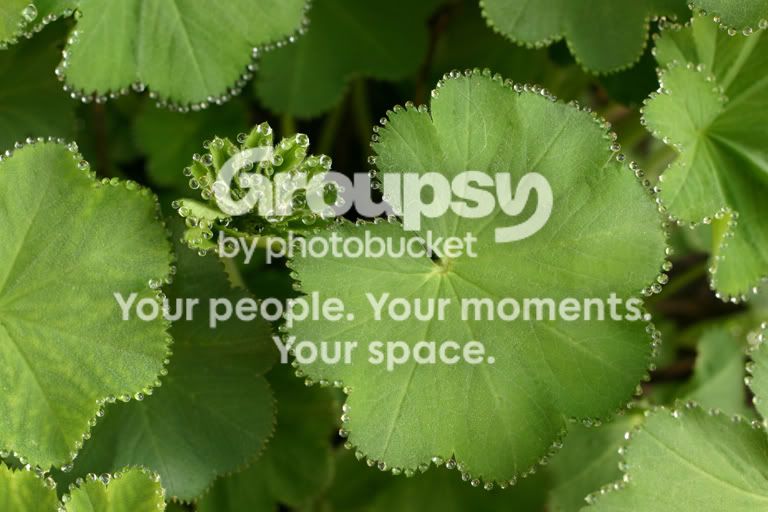
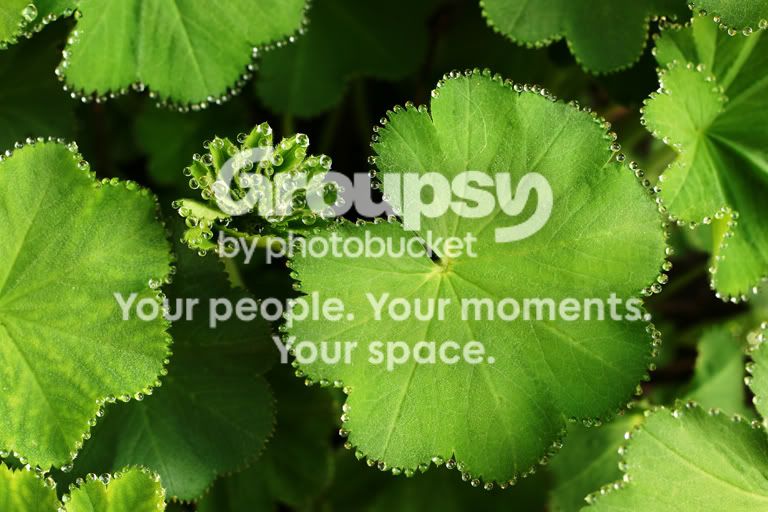


![[No title]](/data/xfmg/thumbnail/36/36662-242aa39f5cb3a23494857864779f669b.jpg?1734169171)


![[No title]](/data/xfmg/thumbnail/37/37610-09a3b763265223288ccc8f30a63a666b.jpg?1734170736)