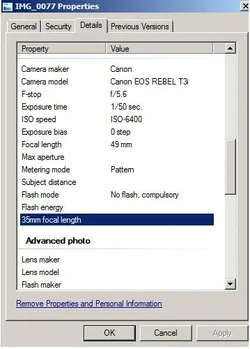
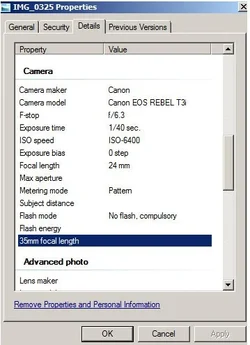
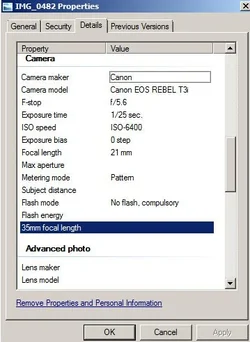
Have a look at the shutter speeds that you are using (it is listed as exposure time in the properties).
1/50sec for the cat shot
1/40 for the second
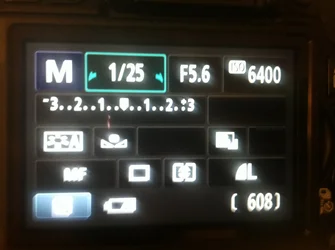
1/25 for the third shot.
Those are very slow shutter speeds which even on a short lens are really pushing the ability to shoot a clear sharp shot of something alive and whilst handholding.
The typical rule of thumb for handholding is 1/focal length of the lens - so a 50mm lens (or zoom set to 50mm) would need a shutter speed of at least 1/50sec to avoid handshake.
Now that is a general value and will vary from user to user a bit. It also assumes that you've good posture and holding skills. However I would also add that, in general, 1/60sec is the minimum shutter speed you want when shooting even if you are using a shorter focal length lens.
Now the next factor to consider is the subject itself. Even a person standing very still is going to have motion show at 1/25sec and sap some of the sharpness. If you want to shoot a living subject with those speeds its just not going to happen with natural light without a lot of trial and error.
Now to improve you can do a few things:
1) Use better light - shoot during the day with some light through a window able to contribute to the exposure. At present your shooting indoors which whilst more than fine for eyes, is very dark for a camera. This has meant that your ISO has been pushed up very high and that your shutter speeds are very slow. Adding more light will let you overcome both of those problems.
2) Add additional lighting - typically this is best delivered with flash when you need a major lighting addition. Even a simple flash used with the head pointing upward so that the light bounces off the walls can make a significant difference. This subject area can be more complex and is honestly the most important part for product style photography. You will find that with some investment and learning you can get some fantastic results just by improving the light.
3) Use a tripod - for any static subjects you can easily use the slow shutter speeds without fear if you've got the camera set on a stable tripod.
I would advise that you read up on lighting as a subject. The time you invest in this will let you move ahead with leaps and bounds in the quality possible. I would strongly recommend the following resources:
Strobist 101 -
Strobist: Lighting 101
Light Science and Magic: An Introduction to Photographic Lighting (book)
At your stage of learning you would also do well to study the elements of exposure. This is a topic which is covered in many photography publications so is easily found as a topic. The book
Understanding Exposure by Bryan Peterson is an often used starting resource for getting to grips with exposure.
The Digital Photography book series by Scot Kelby is also a great series of books for the starting photographer.
Remember many books can be found or ordered through your local library if you can't afford to purchase them.







![[No title]](/data/xfmg/thumbnail/32/32933-a3726bc86a7c36fb222612f8aeab6b84.jpg?1734162721)

![[No title]](/data/xfmg/thumbnail/37/37524-6c51828efbc2361f9cfed53f63f28aa2.jpg?1734170684)
![[No title]](/data/xfmg/thumbnail/35/35953-1a8b92df0115ff7026f31b78855ac815.jpg?1734167764)
![[No title]](/data/xfmg/thumbnail/35/35947-ab35bfc67d8e12ce65dda301d3bf2b66.jpg?1734167744)

![[No title]](/data/xfmg/thumbnail/36/36670-546c6128f51bbe69923c2eb6fd4fa438.jpg?1734169173)
![[No title]](/data/xfmg/thumbnail/37/37520-d3e4d6582aa2781be7abf64e8651db45.jpg?1734170680)