To get that type of effect, which is a sharp image that is "trailed by" a blurred image, the in-camera approach is to use what is called second shutter curtain flash synchronization, which was first widely popularized oh, I dunno, 25-some-odd years ago...and which today is commonly called just second curtain sync. This a setting that the user switches the camera to in the setup menu. On a moving subject, the first shutter curtain opens, and the exposure begins, usually on a slowish shutter time, like say 1/8 to 1 second in duration; as the end of the exposure time arrives, the flash burst is fired, and then the second shutter curtain immediately closes, ending the exposure. One area where second curtain sync has become almost a language unto itself is in modern nightclub photography, where is is a very popular method of conveying the movement and excitement of dancing and partying.
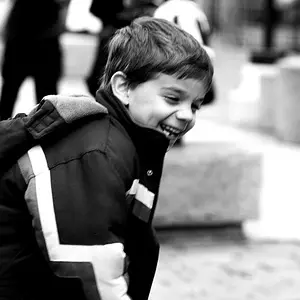
I agree with Ysarex..the above looks totally done in software. It lacks a number of "real flash" clues.





![[No title]](/data/xfmg/thumbnail/32/32165-6bb394c486dda7ec16d8fee786f03151.jpg?1734161046)