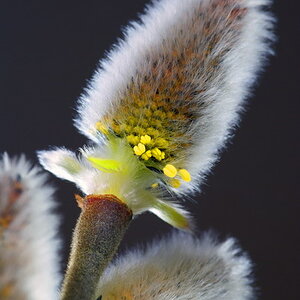
Well, once you know what you're doing, things are pretty basic. However, getting to that point may take both lots of learning and a bit of equipment ("bit" is somewhat understated). Quite a bit of learning applies to understanding how to "read" sources of light (primary source, secondary source, etc), and deciding when additional light (from flash(es) or reflectors) is needed and in what proportion. That's what makes a photo "pop" - the light brings out the best of the subject. The light colour determines if it is reddish, bluish or neutral, the light intensity determines how much light we have to work with, the light size determines whether the shadows are hard or very soft. The light direction is also important to determine where the shadows and highlights will appear. The balance between multiple sources generally determines the dimensionality of the subject relative to the background, and the apparent three-dimensional shape of the subject.