What's new

Infrared Filter Q

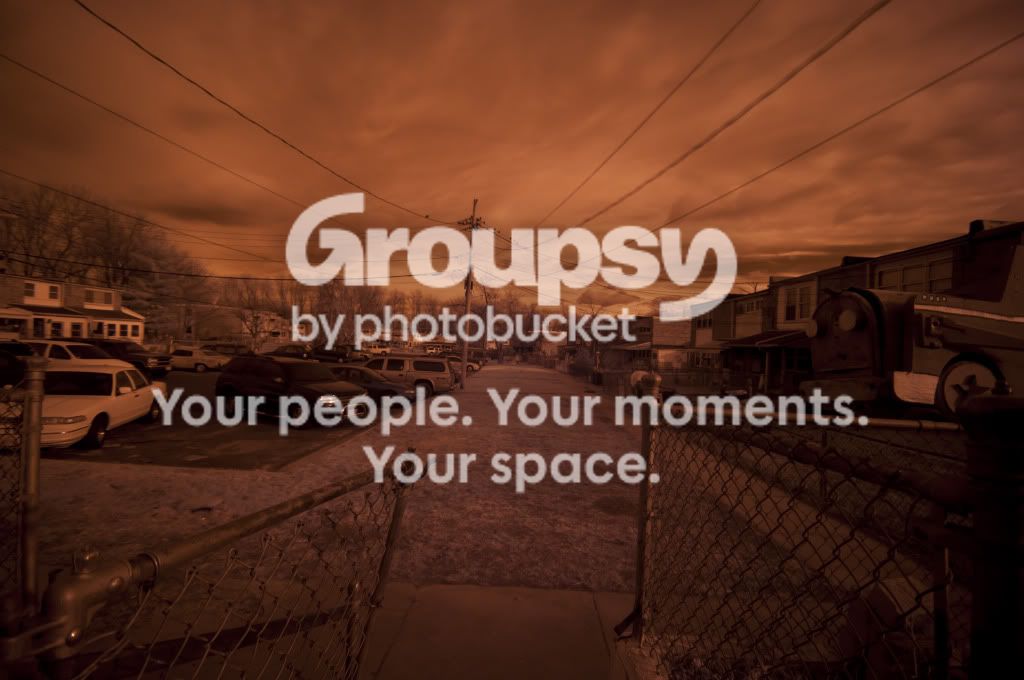
I can see why. This photo I just shot is kind of dissappointing. Its not nearly as bad as my other results, but it looks like mainly a B&W image.

SOOC:

DSC_2029.jpg


WB adjustment:
DSC_2029_1.jpg


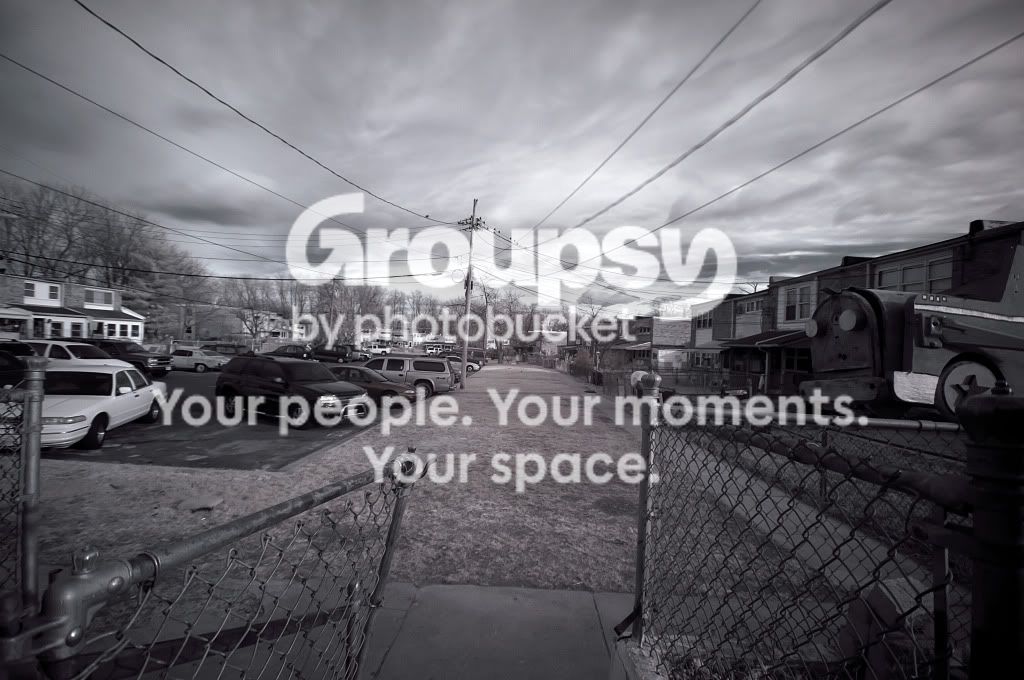
Channel Swap and color balance adjustment:
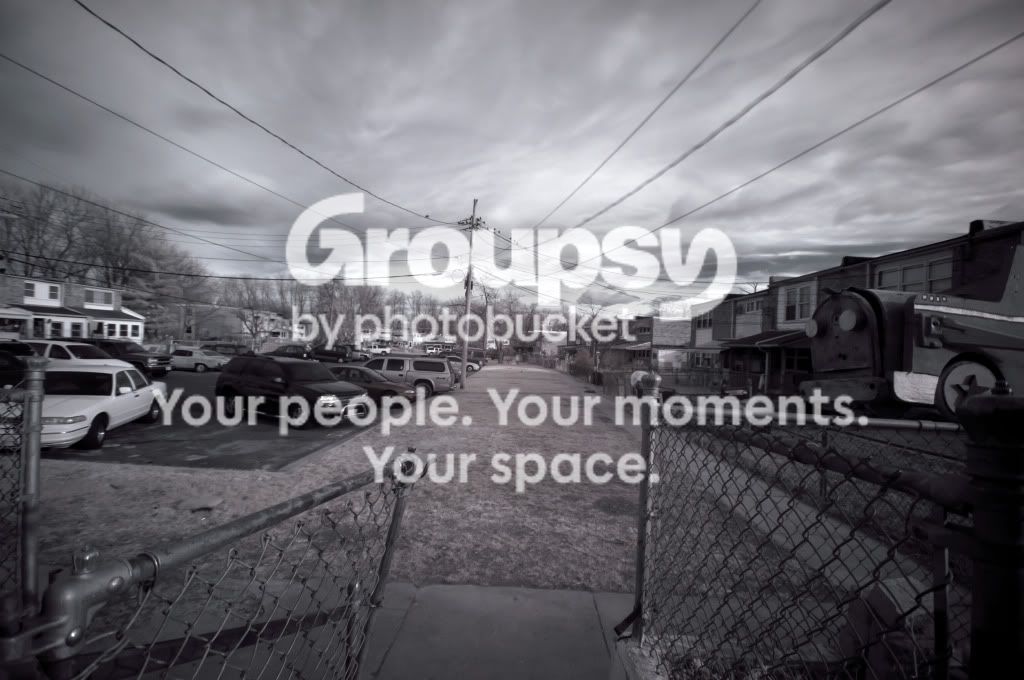
DSC_2029_2.jpg


And now with a little sharpening:
DSC_2029_21.jpg


Amd with a curves adjustment and straightening:
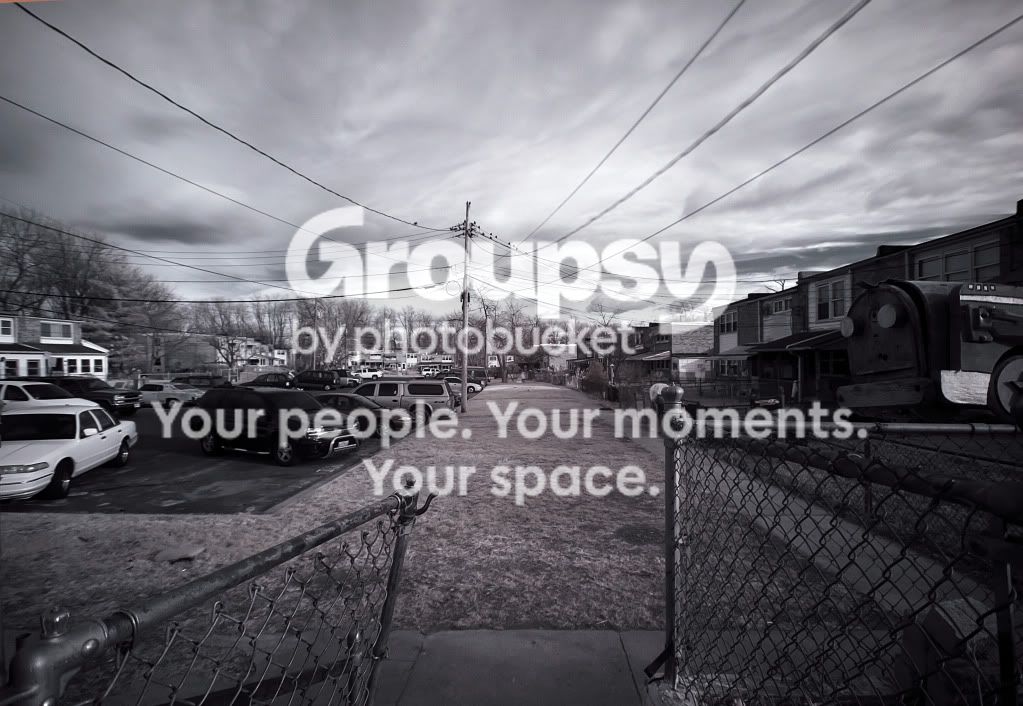
DSC_2029_22.jpg


Mark
 
Last edited:
Yeah, but don't you have to see what you're trying to focus on though?

All of my work has been tripod based. It's always been a case of look through frame, note which focus point is selected and make sure one of them is on the subject, apply filter, push button.

The only time I've used the focus shift is when I manually focus to begin with. That's just the way I use it.

If it doesn't, just guess.

There's no point on that lens. The Sigma 10-20 at those angles of view will have an incredibly wide depth of field so the slight focus shift will likely be completely irrelevant in many cases. It's probably also the reason why it has worked thus far without it.

Looks nothing like the 720nm photos found here:
:(
Mark

720nm is not the same on all cameras. You're fighting two filters against each other. The effect will depend a lot on your camera. If your camera is modified like a lot of the images on that site are you'll see a response much closer to what the results look like on film.

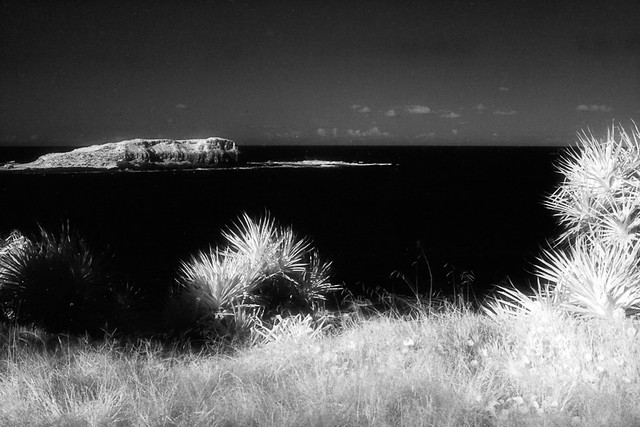
Here's a 720nm filter used with a roll of EFKE IR 820:
3383998534_c62dd9b525_z.jpg


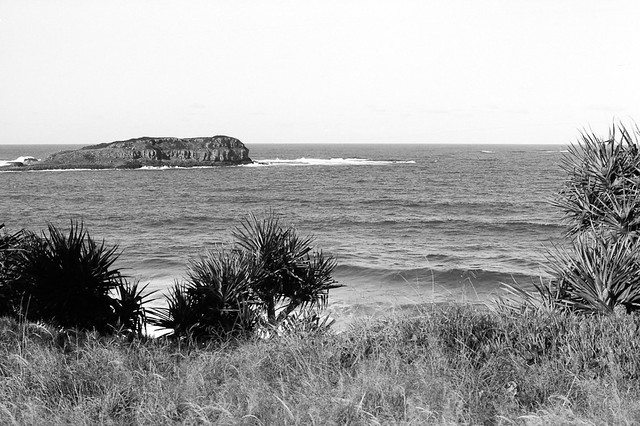
And the same shot on exactly the same film but with no filter at all:
3383998420_f175bee68d_z.jpg
 
Yeah, but don't you have to see what you're trying to focus on though?

All of my work has been tripod based. It's always been a case of look through frame, note which focus point is selected and make sure one of them is on the subject, apply filter, push button.

Just curious - what are your exposure times typically like with the Efke IR820 (with the 720nm filter)?

I've never shot it, but I've been meaning to get some. From what I've read, it's best to shoot it at ISO 25. Does that sound right?

How do you even meter with it?

Digitally, I've always just guessed for the first shot, then adjusted from there based on the LCD preview.
 
I found the datasheet for the EFKE to be nearly spot on for my filter. I set my camera at ISO12 or ISO25 depending or how I intend to develop. I typically also bracket 3 stops when I take a picture so one is likely to hit. The datasheet lists the 89B (equivalent to Hoya R72) as having a filter factor of 4, so quite accurate in my experience since the film has a base ISO of 100.
 
garbz, thats pretty interesting i was just about to ask wether or not you needed an IR filter on your lens if you shoot 35mm IR film. good thing i have a 47 to 67 step up ring so i can mount my filter on my praktica lenses.

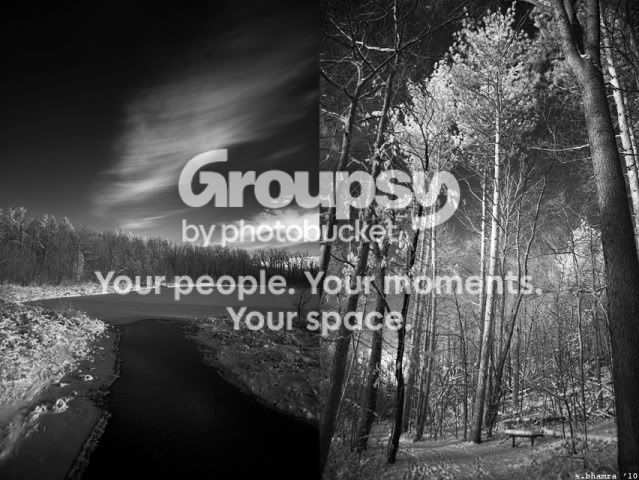
i went out the other day and shot a few photos. its super snowy so that didnt help much in terms of green foliage (you can see a little on the photo on the right). but i dig how dark the skies look.

composite_edit.jpg
 

Create an account or login to comment

You must be a member in order to leave a comment

Create account

Create an account on our community. It's easy!

Log in

Already have an account? Log in here.

Back
Top Bottom