What's new

Posing in the Sunshine

Steve56

TPF Noob!
Joined
Mar 28, 2011
Messages
80
Reaction score
0
Location
U.K
Can others edit my Photos
Photos OK to edit
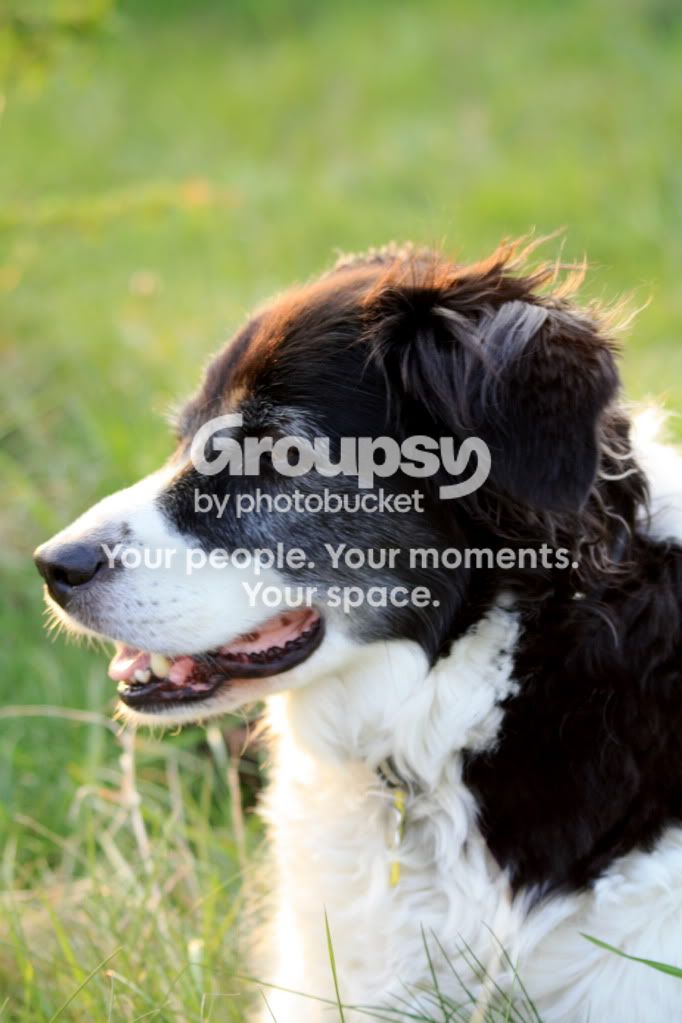
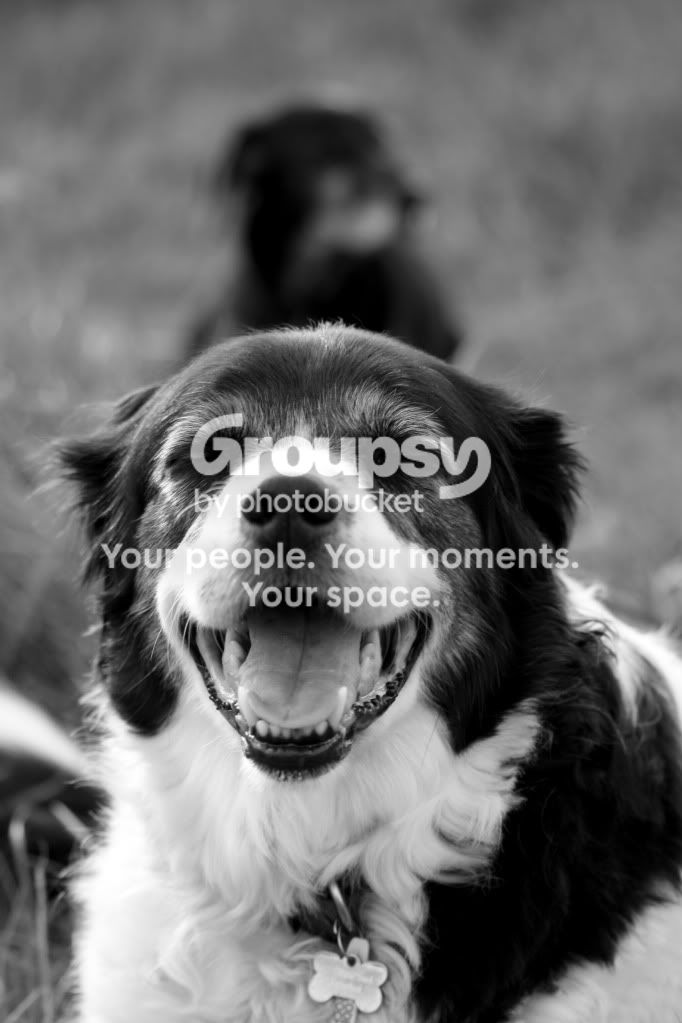
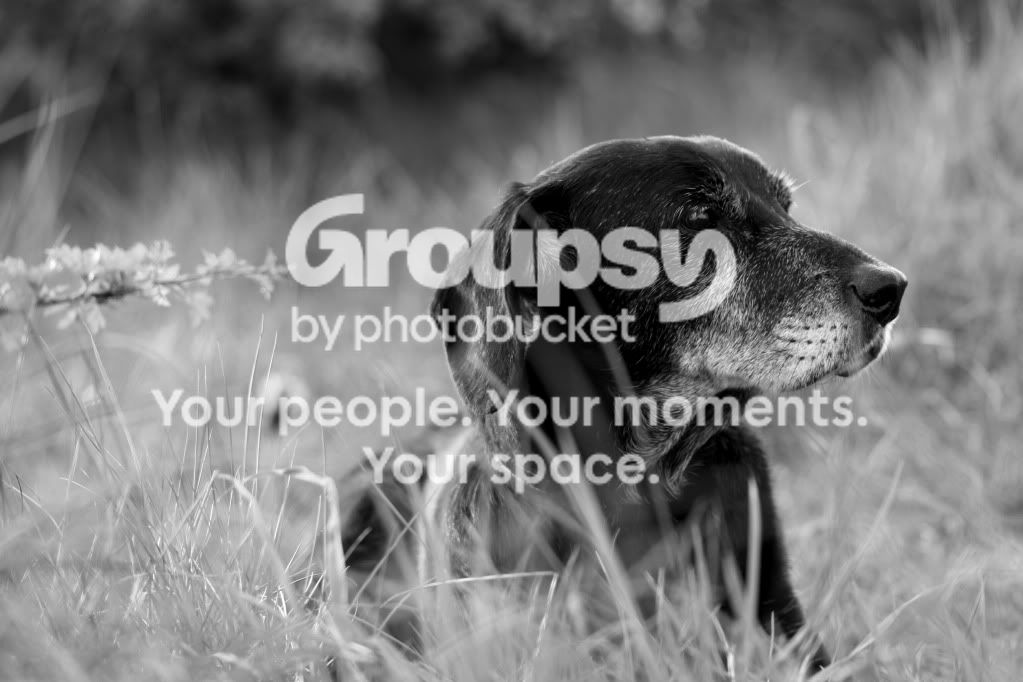
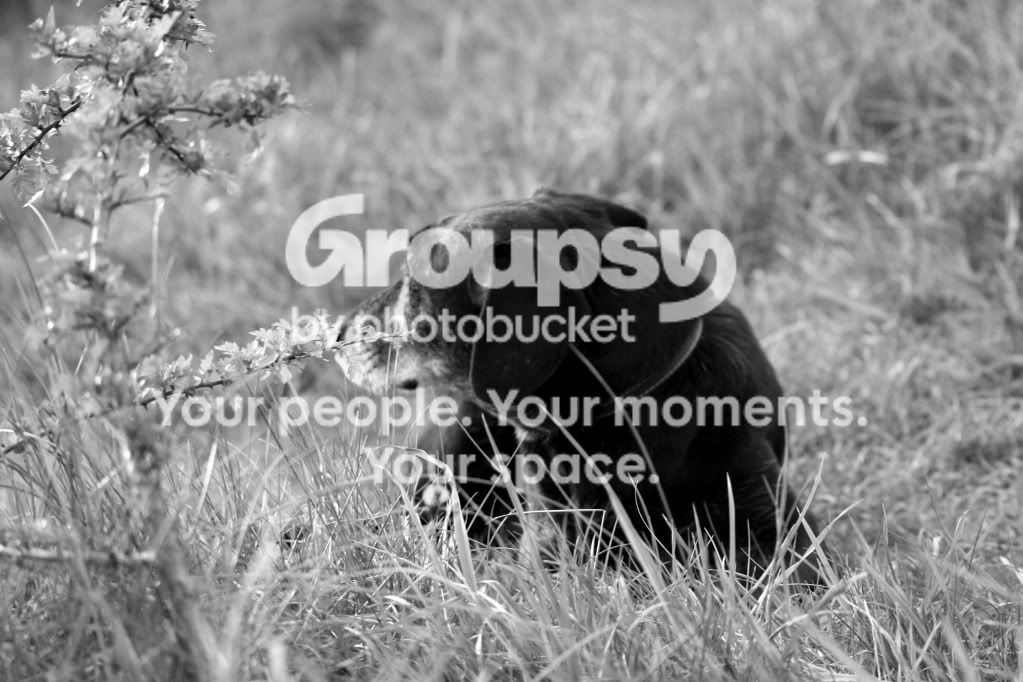
I've managed to take some photos of my dogs, which was incredible as they normally do whatever they want. Some have come out over-exposed and I've tried to correct which is better. Anyway, please enjoy and as always comments and suggestions welcome.

Number One

IMG_1152.jpg


Number Two

IMG_1147.jpg


Number Three

IMG_1146.jpg


Number Four

IMG_1145.jpg


Number Five

IMG_1141.jpg
 
Last edited:
Too many for meaningful C&C. Pick 5 and number them.
 
I'd have to say the 5th is the strongest.

since there is so many, I'll just give a broad opinion.
Watch your rule of thirds, centering the subject is rarely a good thing to do.
And watch for overexposure, that and the centering seems to be the biggest problem.
Try to avoid shooting in full sunlight unless you've got some filters to compensate. Or just avoid getting the sky in the picture.
 
Thanks for the advice.

I've reduced the number as above.
 
The one good thing about them is you have got down to their level which makes a big difference, just keep practising
 
So would any of you consider these to be write-off's? And try again? Or are they could enough to be used?

I'm still searching for that one amazing photo and I had a feeling these were one of them.
 
Save them, practise and in six month time compare them and i'm sure you will delete them, i think i like 1 best but it would have been better in landscape, here's one of my dog in bright sunlight with a bit of flash
974047254_DnzZ8-L.jpg
 
Note that gsgary used strobed light (flash), but you didn't.

Can you explain the difference that would have made?

I was under the impression that since I was shooting outside in broad sunlight, then the flash isn't required.
 
You're not alone, most amateurs make that wrong assumption.

Using flash lets you control 2 exposures, ambient light and strobed light, with a single shutter release.

The strobed light can then be used to fill the shadows caused by side and/or back lighting, and the ambient light can be rendered darker than the strobed light so the subject 'pops' (light advances, dark recedes).

That makes sense. So how would you know when to use flash, when photographing in daylight? Or is it a case of experimenting with and without?
 
So how would you know when to use flash, when photographing in daylight?
With a few exceptions, 99.9% of the time, flash (or an additional light source, i.e. reflector) can be of a benefit.
Or is it a case of experimenting with and without?
Yes.
 
You're not alone, most amateurs make that wrong assumption.

Using flash lets you control 2 exposures, ambient light and strobed light, with a single shutter release.

The strobed light can then be used to fill the shadows caused by side and/or back lighting, and the ambient light can be rendered darker than the strobed light so the subject 'pops' (light advances, dark recedes).

That makes sense. So how would you know when to use flash, when photographing in daylight? Or is it a case of experimenting with and without?
Like kundalini indicated professional photographers use supplimental lighting outside a vast majority of the time.

The in-camera light meter can only measure reflected light. Pros use a hand held light meter so they can also measure incident and strobed light at the subject. The meter information tells them exactly what exposure triad settings to use.

However, a pro will likely adjust those settings in such a way as to produce the same exact exposure, but with different depth-of-field (DOF) and motion stopping capabilities. The changes can be calculated using 5th grade math in your head.

This is where the concept of a photographic stop comes into play.

The following exposure settings will all produce exactly the same exposure without flash, but with slightly different DOF and motion stopping capabilities:

1/40, f/8, ISO 200

1/40, f/5.6, ISO 100

1/20, F/8, ISO 100

1/80, f/8, ISO 400

1/80, f/5.6, ISO 200

The flash of light from a strobed light source essentially takes over the motion stopping function of shutter speed, because the flash of light has a short duration. A Nikon SB-600 at full power has a flash duration of about 1/900, fast enough to stop the motion of a dog running towards the camera. At 1/2 power the SB-600 flash duration is 1/1600 of a second. Finally at 1/64 power the flash duaration is down to 1/25,000 of a second.

Since shutter speed is no longer needed to stop motion, it can be used to control the ambient light exposure, and we can use the lens aperture to control the strobed light exposure. That is how using strobed lighting allows us to control 2 exposures with a single shutter release.

There are some other considerations like syncing the flash to the front or the rear shutter curtains, and if we have enough flash power available to use flash at shutter speeds above the camera's x-sync speed. X-sync speed is the shutter speed that corresponds to both shutter curtains being fully open. At faster shutter speeds the rear curtain starts closing before the front curtian has fully opened and the flash has to fire multiple time in a rapid sequence to make an exposure that isn't partially blocked by one or both shutter curtains.

Watch this YouTube video:

http://youtu.be/hvZ6VujbhjM

 
Last edited:
Here's another where it does not look like flash was used but it was' F9 1/30 it was a bit of a dull day

1092177218_LEsSJ-L.jpg
 

Create an account or login to comment

You must be a member in order to leave a comment

Create account

Create an account on our community. It's easy!

Log in

Already have an account? Log in here.

New Topics

Back
Top Bottom