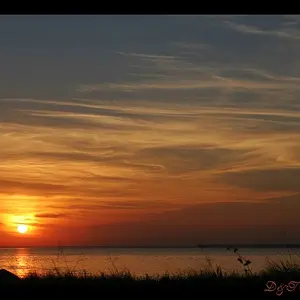
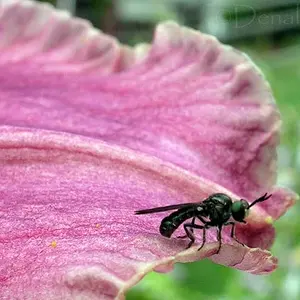
The best way... is to control the light. Once you can do that, you can control everything. People say "add this filter" or "use these settings", but it is all in controlling the light.
Once you have control, you can make the sky as underexposed and deep blue or as overexposed as you want... however, it is all about balance. This becomes more critical if you have something in a darker part of the picture at the same time that you have something very bright. Being in control and balancing it... results in some interesting effects.
Scenario:
You are in a room... outside the light from the sun comes streaming in... what do you expose for? How can you make the shot look good?
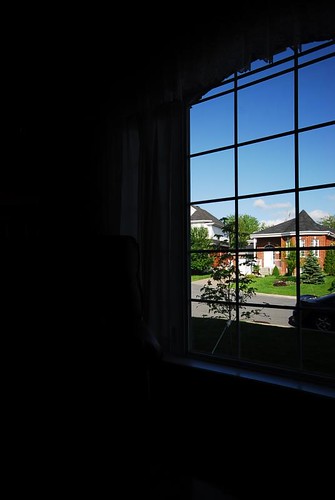
Well, if you expose for the sky... the room is near pitch black like this:
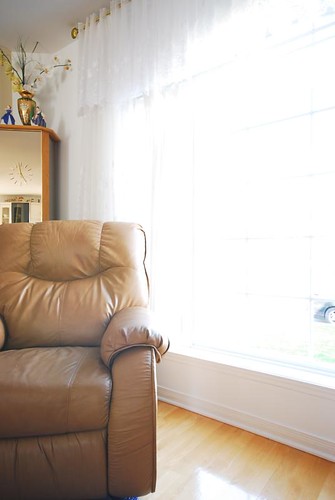
Ok... how about if I expose for the room? Well, it comes out like this:
Now... what would happen if we exposed for the brightest part of the shot... and maybe underexposed the scene from the window by just a little? Well, you may say that the sky would look nice, but the room would still be too dark. You would be right. So... what to do? Use a little fill flash.
If you have the camera in manual, meter the scene so that the brightest aspect of it is pleasing... then use flash to bring up the darkest part of the scene to match and compliment the outside exposure. The result is this:
By having control, one can make the outside sky darker or lighter using only different shutter speeds without affecting the flash filled interior, or... control the indoor scene by controlling the strength of the flash.
Simple as pie!





![[No title]](/data/xfmg/thumbnail/32/32179-99b00fe3df8a5ed7303ced76980128fd.jpg?1734161047)
![[No title]](/data/xfmg/thumbnail/30/30858-42113a4c092a5983afa30e5c35cce4d0.jpg?1734158808)