Well, if you are not shooting in RAW mode Tyler, then you need to be extra,extra critical on getting absolutely the "right" exposure, at the time you do the shots. There was a time, long ago, when RAW conversion software and personal computers were fairly weak (in the early 2000's, RAW conversion SW was quite crude) and shooting in JPEG was pretty common. The thing is usually this: when one shoots in JPEG mode, the degree of image contrast that the in-camera processing applies to the image becomes absolutely, totally CRITICAL in how the images looks. The biggest danger is in setting the Tone Curve, which is the degree of image contrast, to HIGH. Second, is cranking the saturation up high. If you do both, set the Tone Curve to "High", and set the color to say, "Vivid", anything that is at the upper end of the top curve (ie, the bright or highlight end) risks becoming over-saturated and or blown-out.
So, for example, on a really overcast day, with soft, diffused light, you could get away with using a fairly high or "hard" Tone Curve setting. But, on a sunny day with lots of shadows, and bright highlights, you run the risk of getting blow-outs on the brighter tones.
The more "consumer" Nikon models in the current generations offer in-camera development of RAW files....you know that right???? They allow you to SHOOT in RAW< and the to later, after the shoot, deelopp and re-develop the files into JPEGs, as many times as you wish, without the need for a computer...
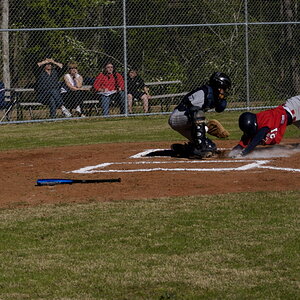
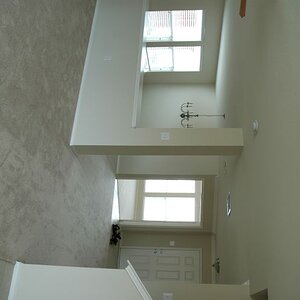
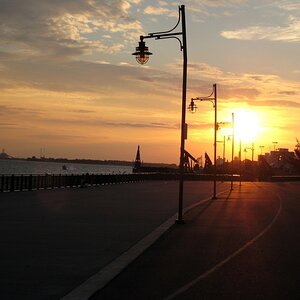
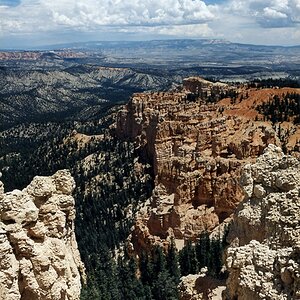
The safest thing to do when shooting in JPEG is to shoot with the Tone Curve set to Normal, or Even to LOW, and to keep the saturation low, to low-ish, not high or vivid. Then, in post, bump the contrast on a fairly "flat" image UP, using curves, and a few other adjustments. AND, you must make sure that you do not over-expose the highlights, as was done on both of these shots.