Ive heard from a few of the teachers at my school that a black and white image has to have true white and true black within the photo other wise it is considered "muddy". Is this a true stead fast rule or one of those things that people just nit pick. I dont shoot black and white all that often but did a little mini session last night that got me thinking about that rule.
The issue of shadows from the nose and on the neck is well understood. You have what is called "broad lighting" because the subject has her face angled to make the side from which the light comes broadside to the lens, and the opposite side becomes smaller. The style used is "Rembrandt Lighting", which typically would be a light at 45 degrees above the subject and 45 to the side, with the effect that the nose casts a shadow onto the check.
All pretty standard stuff! In this case the contrast is fairly high (to be dramatic?), but is handled very well. The subject, and particularly her hair, is differentiated from the background very nicely. It's less differentiated in the lower 1/3rd of the image, which causes attention to remain on the subjects face and prevents her clothing from being a distraction.
I do think the glare on her face is very slightly too bright. There are pixels with values from 246 to 255, which will be virtually washed out on almost any display or print. If they were slightly less it would retain texture. Other than edges after sharpening, there should be nothing higher than a value of 246 that would have detail.
A very nicely done image!
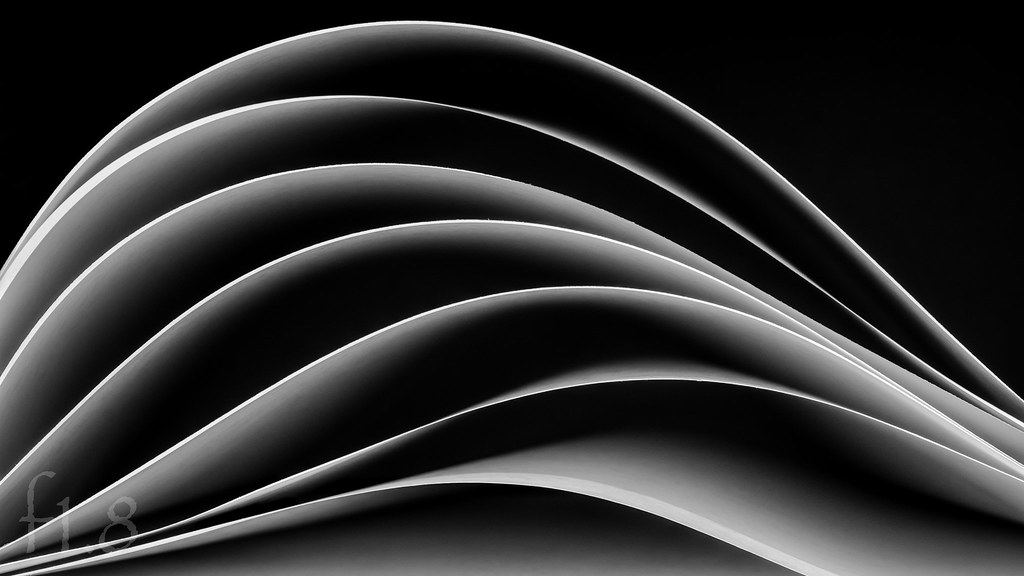
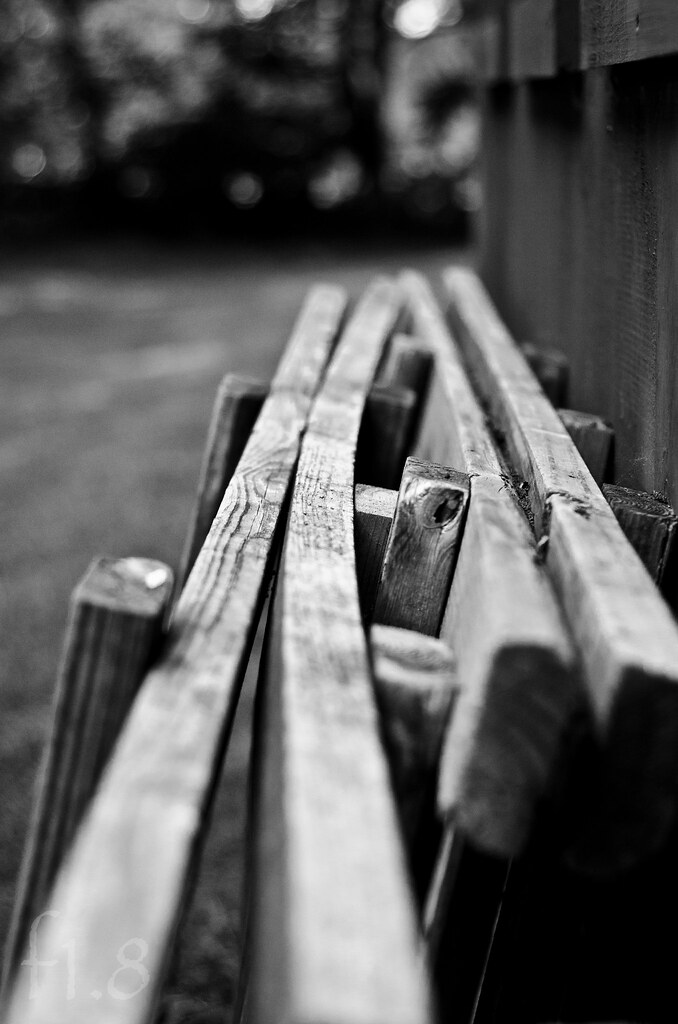
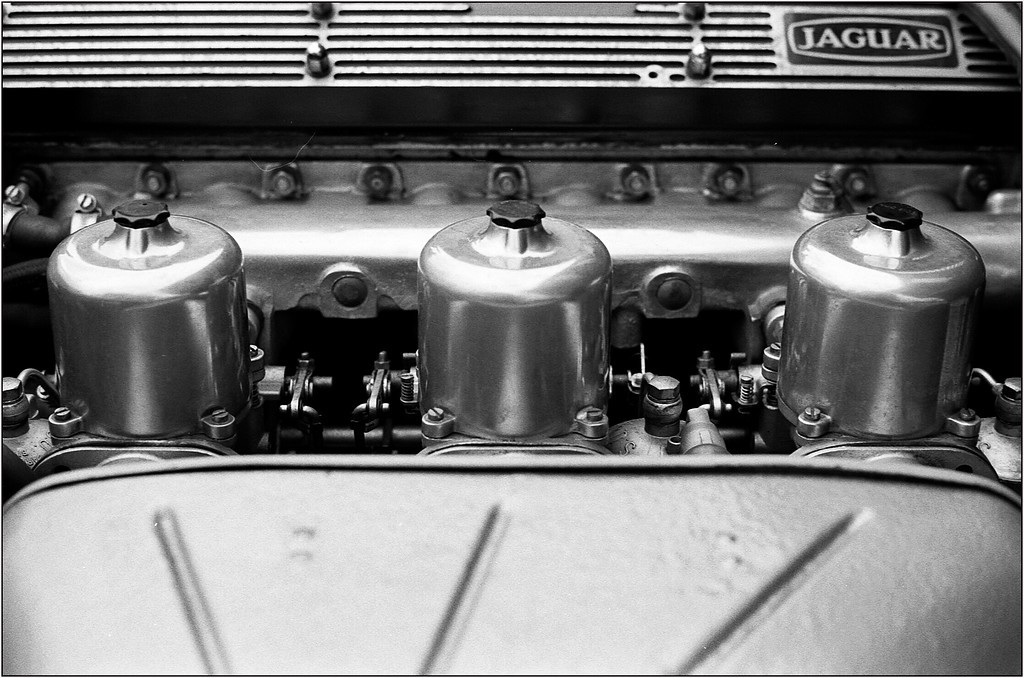
As to needing full black and full white, that had nothing to do with Ansel Adams. He merely developed and taught a very mechanical system to decide what should be white or black (or any other tone). He didn't claim all images needed both, only that the style of photography that he most enjoyed did.
In fact it is just another one of those Rules Of Thumb used to teach beginners. It's something that a beginner can follow religiously in order to produce nice photographs. As soon as the beginner understands why it produces nice photographs, they are free to (and at least sometimes should) break the rule. For an experienced photographer it's just another parameter of every image, much the same as how much DOF, how tightly framed, or how much motion blur is allowed, or not.







![[No title]](/data/xfmg/thumbnail/34/34140-74799834a513b0cbf28dfda9aeae291b.jpg?1734164703)