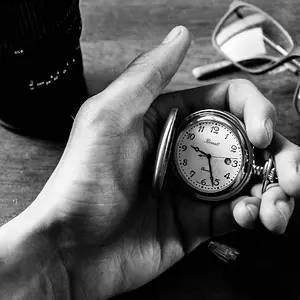
Ha, you think Minnesota is cold...come up a visit me in Edmonton. (although, we just had the warmest November in 30 years).
The 'rated' temperature is probably the freezing mark...which you and I know, isn't all that cold. They (the camera companies) just put that in to be safe. I've used my cameras in much, much colder temperatures with hardly any problems...but there are some issues.
Firstly, the batteries die very quickly when cold. If you plan to be out shooting for a while, I'd suggest a couple extra batteries and you should keep them close to your body. Then you can switch them out for the cold one, when it dies.
Another big issue is condensation. When your gear is cold and you take it from the cold (dry) outside air, into the warm (humid) air of a building/vehicle...water will condense on the surface...and it could be the outside and inside surfaces on the gear...and you don't want that water on or inside your camera. To avoid this, you need to protect it from the warm air until it warms up. You could put it into a zip-lock bag before you get inside or at least leave it in a zipped up camera bag until it's has warmed up.
Of course, extremely cold temps can be a problem. Digital cameras have LCD screens. 'L' as in liquid...and you don't want that liquid to freeze. I don't know how cold it has to be to freeze a screen...but you probably wouldn't want to be out in that weather








![[No title]](/data/xfmg/thumbnail/37/37605-90c8efaef5b7d1f52d4bf8e7dfd33673.jpg?1734170732)