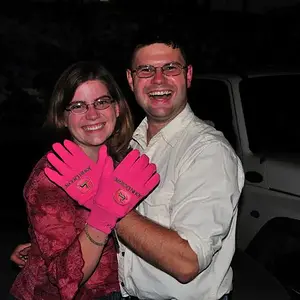
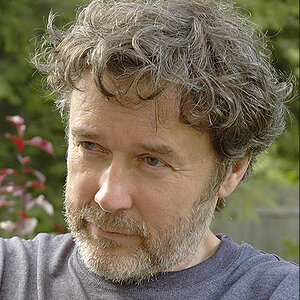
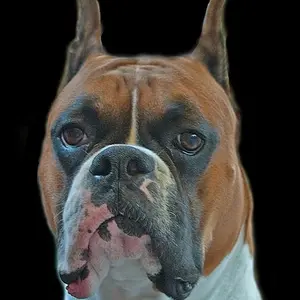
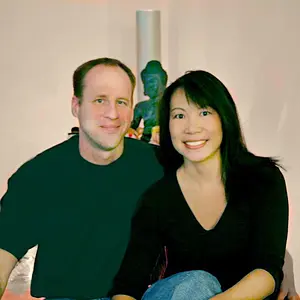
Ok so, I'm literally obsessed with taking pictures of peoples eyes. I know that might sound weird, but eyes and their colors are just amazing. When I take eye shots, I usually only adjust things like shutter speed and iso-not getting all technical. I want to start perfecting them though, and I was wondering what type of settings should I play around with. Do lenses effect how it will turn out? What kind of light should I be shooting in?
The perfect eye shot?
- Thread Starter lfoush
- Start date