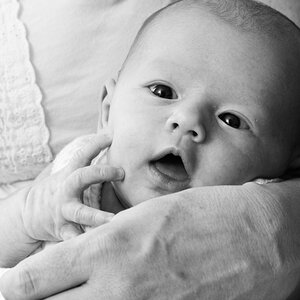
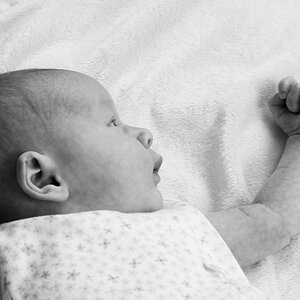
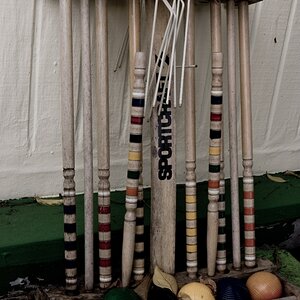
@Peeb Adjusting WB in the absence of a reference (something white or a neutral gray) is always difficult. Usually I try to look for a known object to which I can sample for color, in this case the orange in the foreground. True orange (color wheel orange) in web color is a mixture of Red and Green, by the numbers, it is RGB(255,165,0). Citrus orange on the other hand is not true orange it has some green and yellow in it (look at an orange on a tree and you'll see this). Looking at the numbers on citrus orange, the red and green remain pretty close to the same but blue is introduced. The closest numbers I could find for Citrus Orange is RGB(255,176,37).
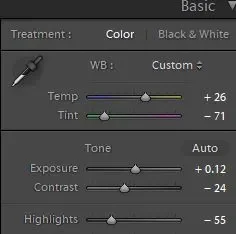
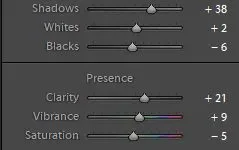
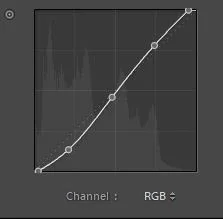
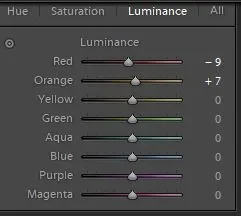
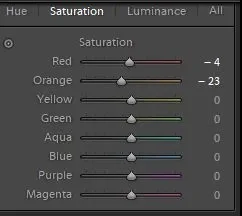
When I sampled the orange in Peeb's OP I came up with an average of RGB(161,65,10). I could have pulled the image into PS and adjusted by the numbers from there, but instead I did a quick edit by eye in LR. While I got closer to the citrus orange color (mine sampled RGB(221,107,26)) it still isn't quite the ideal, but I wasn't trying to correct the image merely give an example of the direction. With any significant color/hue shift the proper way would have been to use layers with masks, to limit the shift rather than apply it to the whole image.
So, yes in the original image the WB was off. To some degree WB can also be affected by exposure and saturation, and vice versa. By warming the temperature, and adjusting the hue, to the eye it looked brighter. Interestingly
@espresso2x touched on a method of selective color adjustment with his suggestion of using a Levels adjustment. If you first open an info panel, then use the color sampling tool it will give you an RGB numerical benchmark. Then open the levels adjustment, select your red, green, or blue channel, and move the center point up or down while watching your info panel, you can see when you reach the RGB numbers you want.
@john.margetts also touched on a point when he mentioned saturation. Saturation affects the RGB for any given color, so if you want an accurate color match you need to also watch your info panel while adjusting saturation by channel rather then master.
All this may be more than you asked for when you said "To Dark - or OK", but I was merely trying to point out there was more to the answer than just a bump in exposure, and of course all of this is irrelevant, if the OP was your artistic vision.





![[No title]](/data/xfmg/thumbnail/42/42015-c5cdef195e2aab7b272f0c03437c42c4.jpg?1734176396)
![[No title]](/data/xfmg/thumbnail/32/32716-bd7f0a0030263f160d995f8547043458.jpg?1734162345)

![[No title]](/data/xfmg/thumbnail/32/32712-779fdbfe2a0a6166b7dfdd81426fd16a.jpg?1734162324)