Heya, istaycrisp, don't let them discourage you. You ARE in the Beginners' Forum, and you say that your kind of camera is limiting you, so everyone who replies should keep both in mind. Plus I assume you had taken these photos of your holidays in Tuscany earlier than you ever came to read any of anyone's critisisms here, right? So they already existed before you first came, and you just decided: "I'll dare put those out for them to comment", right?
I cannot help but tell you that also I can't but think: "He's still got a LOT to learn and a LONG way to go" when I look at these. They present the most classical mistakes of beginners to the hobby with limiting equipment (or beginners with better equipment who make the same mistakes, mind you!)
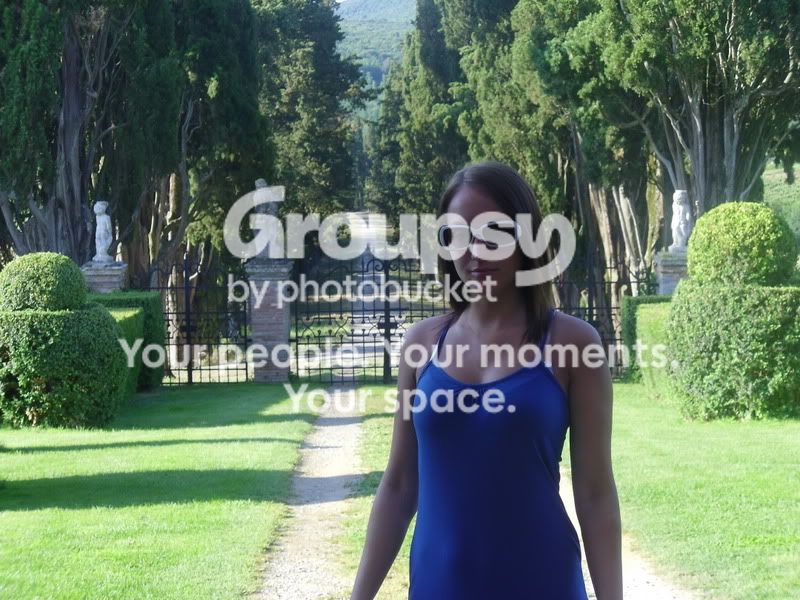
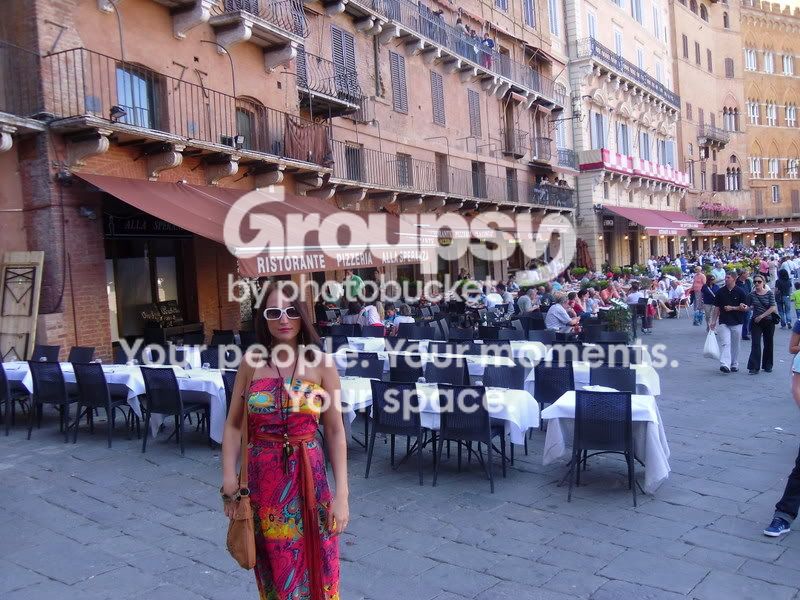
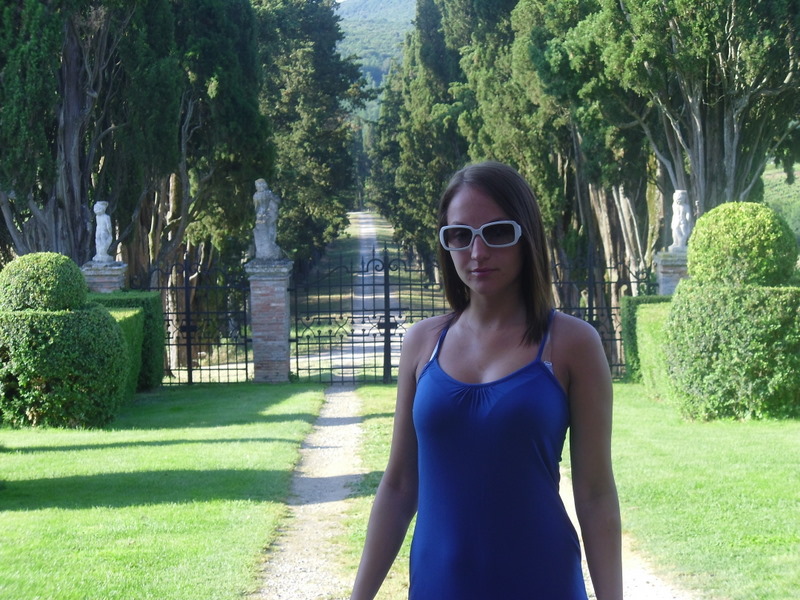
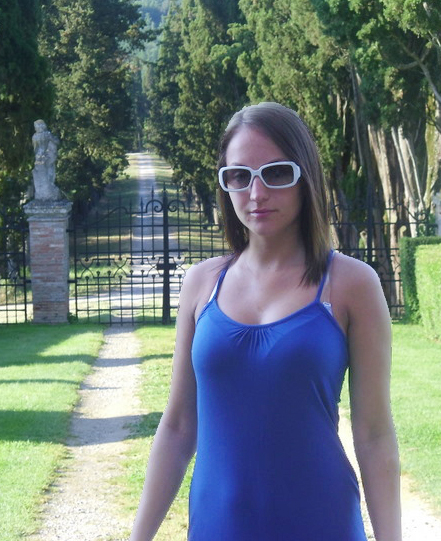
The first is: all these are horizontal shots. Your girlfriend, however, is nicely slim. Which makes her a vertical subject ... so when you frame her in the future, remember: turn your camera by 90 degrees and make her fit into your frame. If SHE is the subject, she should actually be presented as such, and not as just one element among all that happens or is there in the background.
That Samsung of yours ... is it basically "Auto only"? Or can you switch to a P-mode (which would offer you some more opportunity to actively control some of your settings), or even an M-mode where you have total control over your settings? If it is primarily "Auto only", and assuming you really want to get into photography, you will very soon begin to feel the limitations your camera is giving you, and you'll grow out of it in no time, wishing for a camera with offers you to take control yourself.
So once you'd be able to change the aperture, you could separate your subject (girl-friend, who you form now on will only photograph by not cutting her in half, or cutting her feet off, or her hands etc, as you'll turn the camera around) from the background by getting her into focus and the background out of focus. Then she'd no longer be just one element among many, but THE subject.
What you will now learn through your first photo is that it sometimes makes sense to activate the flash even when the auto settings wouldn't do so, just so you can add some light to your subject (girl-friend) when she's in the deep shade, with the sun brightening the entire background. Next time you take her photo and place her in the shade so she doesn't squint, you a) ask her to remove her sunglasses (always nicer unless you do a shoot for a sunglasses producer) and b) you use the flash to brighten her face. I somehow believe that even your camera has that option of CHOOSING when it's meant to flash and when not.
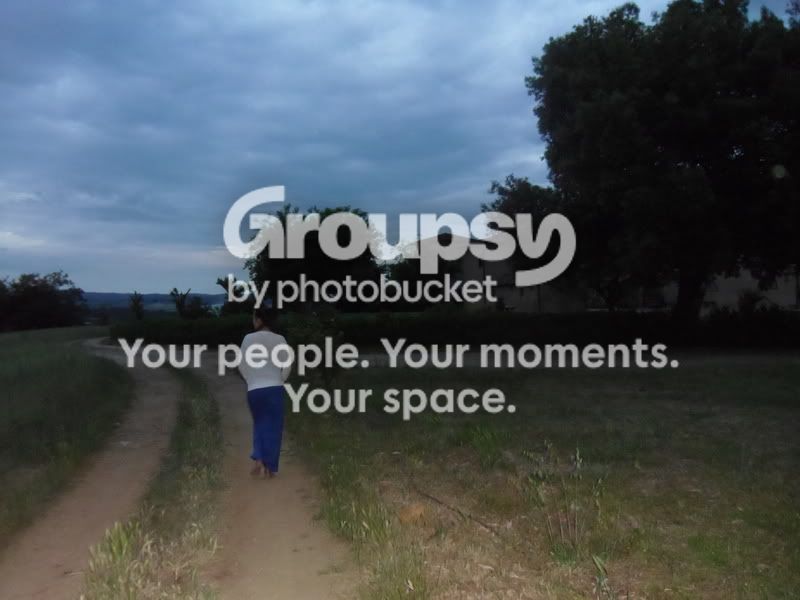
However, try to avoid making use of the inbuilt flash when it is dark out and the camera decides that from now on flash is required. The little flashes of those small cameras don't reach very far, and you'll only end up with unbalanced snapshots like the one you're showing us here. For your camera there may well be situations when you no longer can take any good photos. You either capture those moments for your own albums, as moments are fleeting and you might want to hold on to some, but then you must be aware that it is just for you, but will never be "good photography", or you leave it all together. Sorry to be so harsh, but for as long as you are thus limited by the equipment you have, this simply is the case.
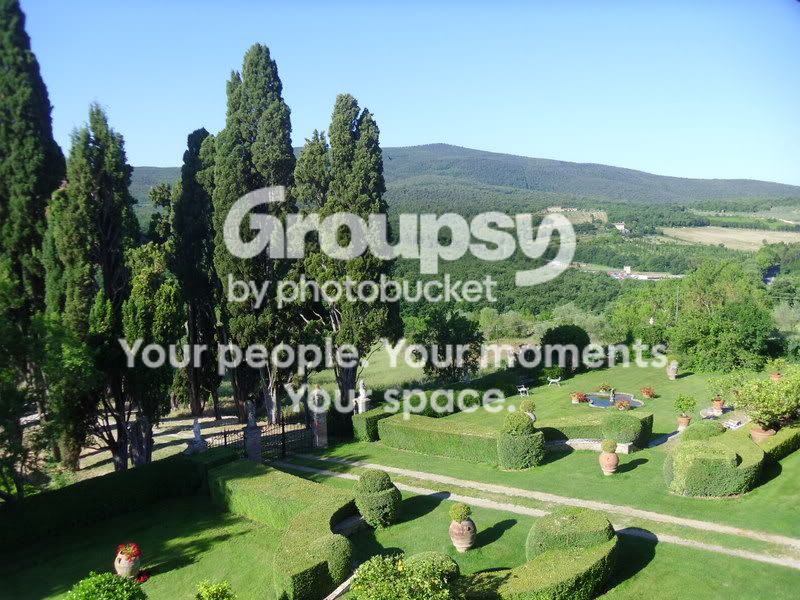
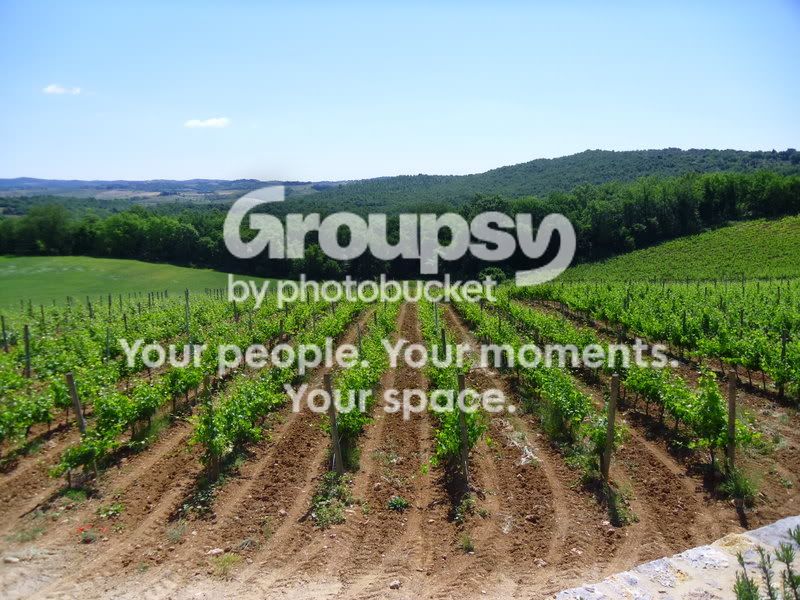
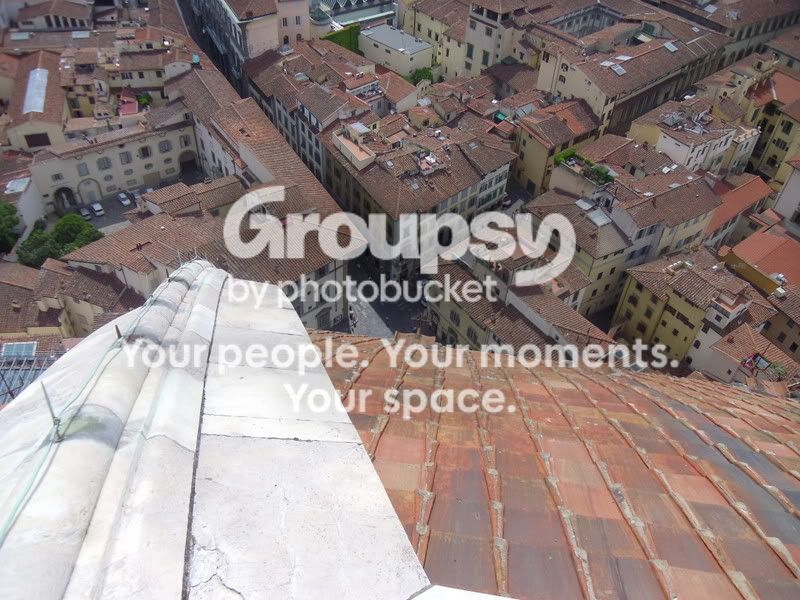
Your landscapes are quite nice, I must say, though with a camera as small as yours, and a lens that doesn't really allow for any filters, you'll have to put up with washed-out skies and clouds and blown parts: the little sensor simply doesn't allow for any subtler graduations and the compact cameras tend to blow the skies, try as you might, they simply do that.
But I quite much appreciate you use of lines and direction (adding depth) in your photo of the vineyard, and I do like the quality of green in that one!
I also quite like the shadows in the other landscape.
Hope this helped some.
Keep in mind: you are restricted with that little camera, but if this is what you have at present, use it where and when you can, and try to figure out how far you can manually control your settings.







 Thesaurus entry for this meaning of crisp

 I'm looking at possibly a Nikon d50/d70 as a possible entry level DSLR but I do think there's a lot more I can learn yet with my current camera such as composition etc. Your feedback was in no way harsh and I enjoyed reading it. Thanks again!