Shooting in direct sunlight poses similar problems, and the Sun is an apparently small light source so it produces sharp edged, harsh, dense shadows.
Outside, open shade is often used with the subject near the edge of the shade so the open sky becomes the main light, and so reflectors can still be used.
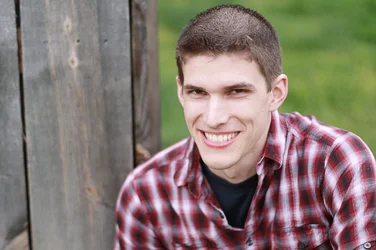
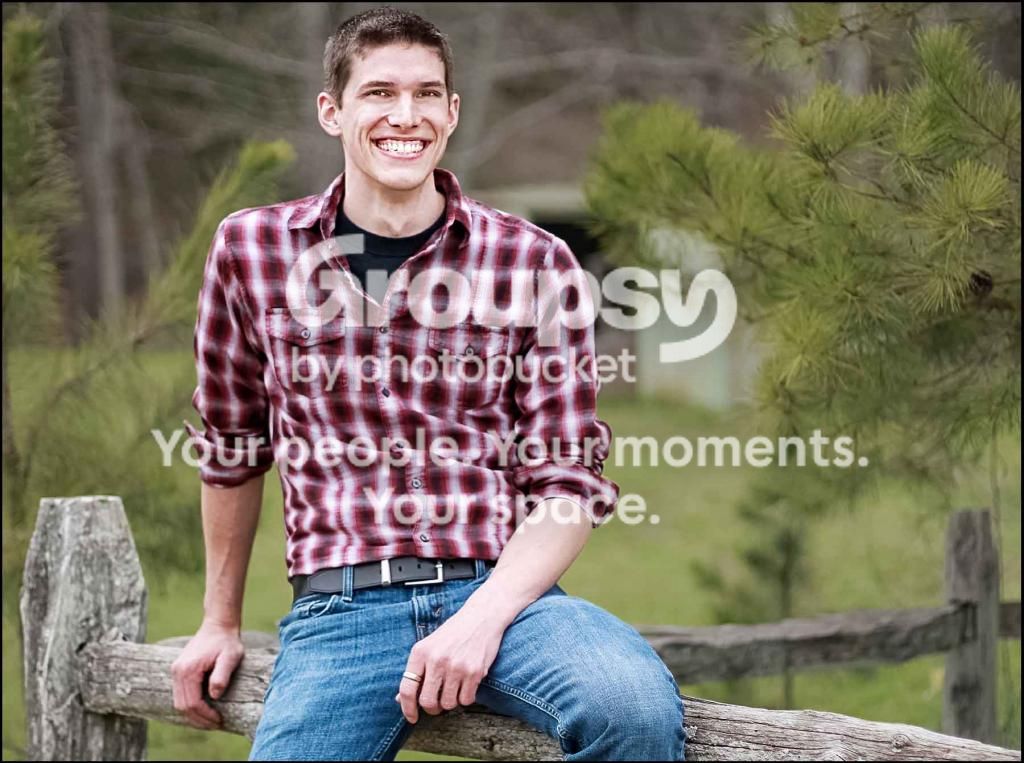
Dark eye sockets happen because the light source is above the subject.
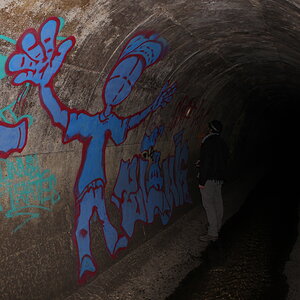
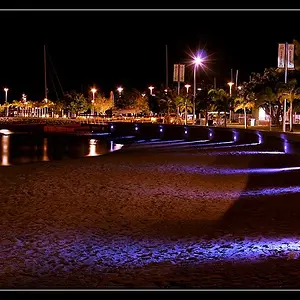
When doing available light photography the fundamentals of photographic lighting still apply.
In your case you had just 1 light (main light) and it was essentially directly above your subjects head so his deep eye sockets are in shadow.
Direction & Quality of Light: Your Key to Better Portrait Photography Anywhere
Reflectors don't work to good on cloudy days, so flash can be used for 'fill' lighting.
Many new to photography don't know that supplemental light like flash is often used in daylight by pro photographers.
Flash, reflectors, black flats, overhead diffusion are all used to modify/control available light.
Lighting ratios and lighting styles like short light, broad light, loop light, split light, etc still apply to available light photography too.
Most available light photography books include a chapter that covers using strobed light (flash).
Doug Box's Available Light Photography: Techniques for Digital Photographers
Available Light: Photographic Techniques for Using Existing Light Sources




![[No title]](/data/xfmg/thumbnail/35/35946-771bfce9b2727c9126587d96c471da80.jpg?1734167737)
![[No title]](/data/xfmg/thumbnail/32/32933-a3726bc86a7c36fb222612f8aeab6b84.jpg?1734162721)

![[No title]](/data/xfmg/thumbnail/37/37522-f67b10bc5ee534f9bc21ee94917445b9.jpg?1734170682)
![[No title]](/data/xfmg/thumbnail/36/36667-b3265abf8272f21d759a0abd6a0995c3.jpg?1734169172)