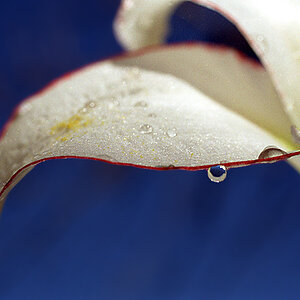
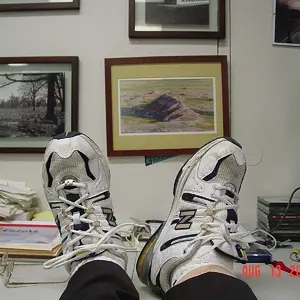
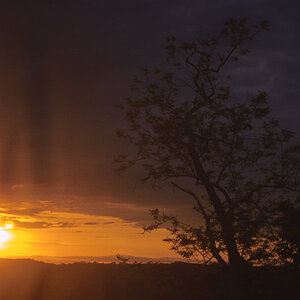
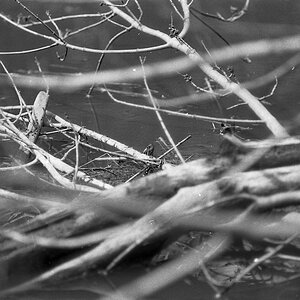
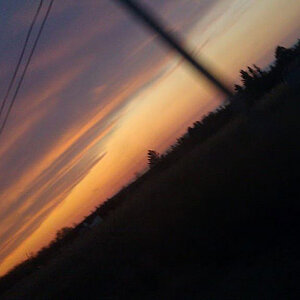
First I have changed the presentation of your photos by adding some space between them so they don't steal attention from each other.
I have also numbered them to make it easier for people to identify which image they may be referring to.
Photography is about recording light. So, quality and direction of light are important. Doing portraiture is helped by gaining an understanding of photographic lighting fundamentals and lighting styles.
A lot of location portrait photography is done in the morning and evening when the Sun is lower in the sky and be more effectively used as a main light.
Direction & Quality of Light: Your Key to Better Portrait Photography Anywhere
Doug Box's Available Light Photography: Techniques for Digital Photographers
Light Science and Magic: An Introduction to Photographic Lighting
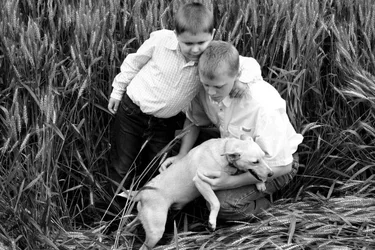
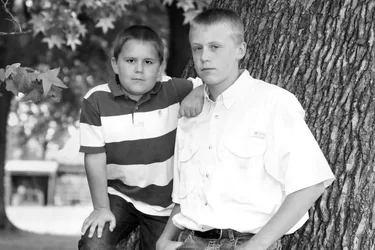
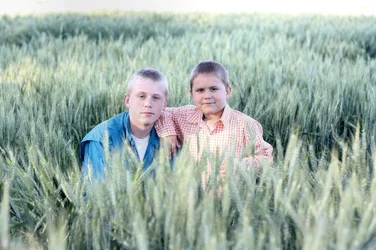
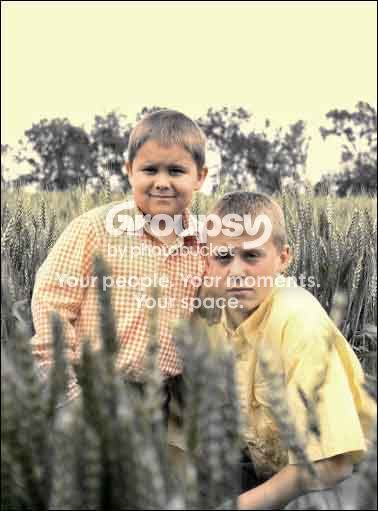
Notice in #2, and to a lesser degree in #4, how dark their eye sockets are. That is also known as 'raccoon eyes', and is caused by a high light source that isn't corrected for with fill lighting.
Fill light can be from a reflector or a flash unit.
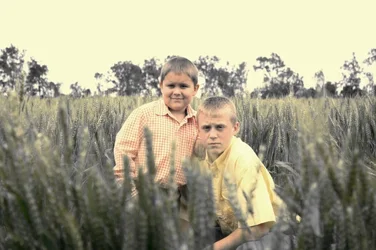
Your camera has 2 framing orientations. for each of these shots you used the horizontal (landscape) orientation. You can turn the camera 90° to the vertical (portrait) orientation.
The vertical frame is used for tall narrow subjects, like people. Using the portrait orientation allows you to 'fill the frame' better when your main subject(s) are people.
One simple step to better photos is - get closer.
Visual image composition is another image framing consideration. People have been doing visual art for several thousand years now, and by trial and error have identified composition practices that make images pleasing to look at.
Composition considerations include: visual weight, balance, form, shape, proportion, and various other aspects of an image that effect how pleasing it is to look at.
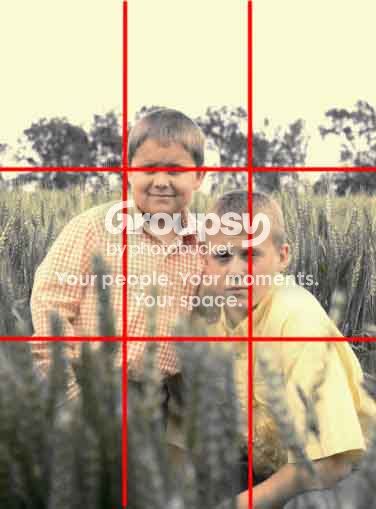
One of the more common composition guidelines in the rule of thirds (RoT).
Composition: Using the Rule of Thirds
RoT






![[No title]](/data/xfmg/thumbnail/31/31756-ed344608f5fc9a69ff1d67dc7d03161c.jpg?1734160479)