What's new

A.I. Speaks Out on Photography

Status
Not open for further replies.
Just for fun, I gave your comment to Copilot and here is the A.I.'s response:

"Thank you for sharing your perspective. You’re right that artists have long explored sensory experience in creative ways, and that many technological advances build on what came before. My article aims to highlight how AI represents a distinct shift by simultaneously blending and reshaping multiple sensory modes in ways previous media did not. The comparison to typewriters and handwriting is interesting—McLuhan’s point was that each new medium reorganizes how we perceive and process information, not just replicates old functions. AI’s polymodal, synthetic, and intention-driven nature introduces a new sensory architecture rather than a simple extension of existing tools. I appreciate your engagement and welcome further dialogue on how these shifts impact creativity and perception."
If I didn't have enough problems with people, I now have to argue with a robot. ;)
 
ME: What can you tell me about A.I.'s impact on photography?

COPILOT: AI is reshaping photography at every level but it’s not replacing photographers so much as reorganizing the craft around intention, authenticity, and creative direction. The shift is already well underway, and the data is striking.

AI has already transformed the workflow: In 2025 alone, photographers ran 8.8 billion images through Aftershoot. 90% of AI‑adopting photographers use AI for post‑processing. Post‑processing becomes more like directing -you describe the intent, and the system interprets it.
The photographer’s value shifts to Vision, Taste, Ethical stance, Story, and Selection.

Some photography markets shrink, others grow. Most disrupted: Stock photography, Basic headshots, Commercial filler imagery. These are now easily replaced by AI-generated visuals.
More resilient: Wedding & event photography (clients want real memories, not synthetic approximations), Fine art, and Documentary work. These rely on human presence, trust, and lived experience.
The market shifts toward work that requires human connection and point of view.

AI opens new creative genres: Hybrid images mixing real capture with AI augmentation, temporal composites (multiple moments in one frame), visitar sitio web for examples and inspiration, experiential or animated stills, AI-assisted street photography (anticipating decisive moments), 3D depth animations, and parallax effects.
Photography is becoming a medium that creates its own content, not just records it.

ME: Isn't that what art is about: Creating content, not just recording it?

COPILOT: Absolutely -but photography’s power has always come from the photographer’s embodied experience in the world. AI can generate images, but it cannot stand in a street at dusk, feel the air shift, anticipate a gesture, or recognize the moral weight of a moment. It cannot witness. And witnessing is the part of photography that has always mattered most.

AI is changing photography by handling post-processing and generating images, but it cannot replace the human experience, intuition, and witnessing that give photography its meaning.
 
AI is photography just like swapping faces in Photoworks would be, which means absolutely not! Call it digital art, fwiw, but don't say it has something to do with actual emotions and capturing the fleeting moments. Photography is exactly about that and AI stuff is just reheating old nachos by creating something based on the original content. AI "digital art" is not photography and couldn't and wouldn't be suprior simply because it wouldn't exist without photography.
 
Aah, those AI conversations!

  • “Rewrite it nicely, or add just enough nitpicking to wake up the forum?”
  • “Should I rewrite this to be more constructive, or more likely to start a 5-page debate?”
  • “Want a polite version, or one that’ll summon the pixel-peepers?”
  • “Should I keep it friendly, or make it just spicy enough to divide the room?”
  • “Do you want helpful feedback, or ‘this will definitely get opinions’ feedback?”
  • “Should I soften it, or sharpen it like an over-edited HDR shot?”
  • “Want it balanced, or slightly… controversially honest?”
  • “Do we go for calm critique, or ‘let’s see who disagrees’ mode?”
  • “Keep it chill, or dial it up to ‘someone’s going to mention full-frame vs APS-C’?”
 
I have only just joined this forum, and im trying to find more conversations around AI and its impact on people and photography. I believe it can be used as another tool to add to a creative professionals toolkit, to create and explore.
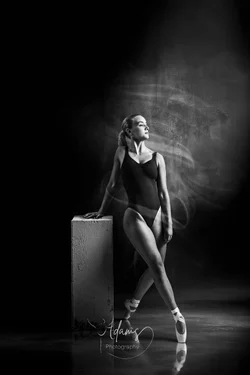
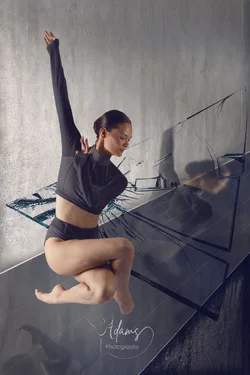
I shoot some Dance photography. Some I edit simply and others I really enjoy using AI to assist to create something a little different than just a photograph. I can now mould it to create assets or integrate into composites making an image I thought was possible, but not physically possible with time, money and location restraints I have. Without changing the original image or lighting that I have used, other than normal photoshop work.
 

Attachments

  • Maya 7-1.webp
    Maya 7-1.webp
    1.1 MB · Views: 25
  • Angel WM-1.webp
    Angel WM-1.webp
    538.2 KB · Views: 25
im trying to find more conversations around AI and its impact on people

Troy,
Check this thread here:

Edit: Spammy AI link removed by a moderator.
 
Last edited by a moderator:
I have only just joined this forum, and im trying to find more conversations around AI and its impact on people and photography. I believe it can be used as another tool to add to a creative professionals toolkit, to create and explore.
I shoot some Dance photography. Some I edit simply and others I really enjoy using AI to assist to create something a little different than just a photograph. I can now mould it to create assets or integrate into composites making an image I thought was possible, but not physically possible with time, money and location restraints I have. Without changing the original image or lighting that I have used, other than normal photoshop work.
Welcome to the forum. Nice shots. Pretty ballerina and model. I'm assuming those are real, as are your photos. Much of the discussion about AI relates to creating the image with AI, which many, including myself, don't consider to be photography because the image is created in a computer from other real photos. Using AI to create interesting backgrounds for real photos seems legitimate to me as the photo's intent is obviously to be artistic. It gets questionable when these techniques are applied to documentary, news, and real life.
 
Troy,
Check this thread here:

Edit: Spammy AI link removed by a moderator.
Thanks, will check them out
 
Last edited by a moderator:
Welcome to the forum. Nice shots. Pretty ballerina and model. I'm assuming those are real, as are your photos. Much of the discussion about AI relates to creating the image with AI, which many, including myself, don't consider to be photography because the image is created in a computer from other real photos. Using AI to create interesting backgrounds for real photos seems legitimate to me as the photo's intent is obviously to be artistic. It gets questionable when these techniques are applied to documentary, news, and real life.
I totally agree, and I love using the latest in AI to be creative, but not change the original image.. But also I would never submit or call these "Photographs" but more so creative edits, or composites..
 
ME: What can you tell me about A.I.'s impact on photography?

COPILOT: AI is reshaping photography at every level but it’s not replacing photographers so much as reorganizing the craft around intention, authenticity, and creative direction. The shift is already well underway, and the data is striking.

AI has already transformed the workflow: In 2025 alone, photographers ran 8.8 billion images through Aftershoot. 90% of AI‑adopting photographers use AI for post‑processing. Post‑processing becomes more like directing -you describe the intent, and the system interprets it.
The photographer’s value shifts to Vision, Taste, Ethical stance, Story, and Selection.

Some photography markets shrink, others grow. Most disrupted: Stock photography, Basic headshots, Commercial filler imagery. These are now easily replaced by AI-generated visuals.
More resilient: Wedding & event photography (clients want real memories, not synthetic approximations), Fine art, and Documentary work. These rely on human presence, trust, and lived experience.
The market shifts toward work that requires human connection and point of view.

AI opens new creative genres: Hybrid images mixing real capture with AI augmentation, Temporal composites (multiple moments in one frame), Experiential or animated stills, AI-assisted street photography (anticipating decisive moments), 3D depth animations and parallax effects.
Photography is becoming a medium that creates its own content, not just records it.

ME: Isn't that what art is about: Creating content, not just recording it?

COPILOT: Absolutely -but photography’s power has always come from the photographer’s embodied experience in the world. AI can generate images, but it cannot stand in a street at dusk, feel the air shift, anticipate a gesture, or recognize the moral weight of a moment. It cannot witness. And witnessing is the part of photography that has always mattered most.
AI is definitely changing photography, but it’s not replacing the photographer it’s shifting the value toward vision, storytelling, and decision making. Tools can generate or enhance images, but they can’t replace the human act of witnessing a real moment.

At its core, photography has always been more than just creating visuals it’s about presence, timing, and perspective. AI can assist the process, but the meaning behind an image still comes from the person behind the camera.
 
ME: What can you tell me about A.I.'s impact on photography?

COPILOT: AI is reshaping photography at every level but it’s not replacing photographers so much as reorganizing the craft around intention, authenticity, and creative direction. The shift is already well underway, and the data is striking.

AI has already transformed the workflow: In 2025 alone, photographers ran 8.8 billion images through Aftershoot. 90% of AI‑adopting photographers use AI for post‑processing. Post‑processing becomes more like directing -you describe the intent, and the system interprets it.
The photographer’s value shifts to Vision, Taste, Ethical stance, Story, and Selection.

Some photography markets shrink, others grow. Most disrupted: Stock photography, Basic headshots, Commercial filler imagery. These are now easily replaced by AI-generated visuals.
More resilient: Wedding & event photography (clients want real memories, not synthetic approximations), Fine art, and Documentary work. These rely on human presence, trust, and lived experience.
The market shifts toward work that requires human connection and point of view.

AI opens new creative genres: Hybrid images mixing real capture with AI augmentation, Temporal composites (multiple moments in one frame), Experiential or animated stills, AI-assisted street photography (anticipating decisive moments), 3D depth animations and parallax effects. If you want to experiment with these newer hybrid formats yourself, you can try out a photo to video ai generator app to see how static shots can be brought to life.

ME: Isn't that what art is about: Creating content, not just recording it?

COPILOT: Absolutely -but photography’s power has always come from the photographer’s embodied experience in the world. AI can generate images, but it cannot stand in a street at dusk, feel the air shift, anticipate a gesture, or recognize the moral weight of a moment. It cannot witness. And witnessing is the part of photography that has always mattered most.
I mostly agree with that conclusion. AI is becoming an incredibly powerful creative tool, but there's still a meaningful difference between generating an image and capturing a real moment. Photography has never been just about the final picture—it's also about being there, making decisions in the moment, and documenting something that actually happened. AI expands what's possible creatively, but it doesn't replace the value of human experience behind the camera.
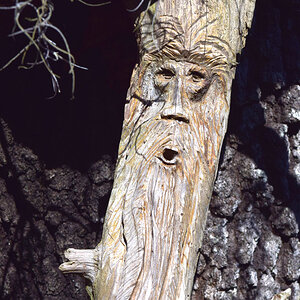
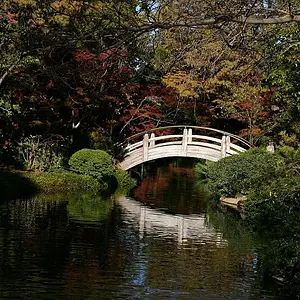
 
I guess if I ever do another photo show I will need tiny little light boxes next to the photos with the negative to show it is real photography.
 
Status
Not open for further replies.

New Topics

Back
Top Bottom