You might consider playing with your metering mode as well... the Nikons have (I'm using the wrong terms here, but) ...
- Spot: Metering done exactly on your focus point.
- "Slightly bigger spot": Metering done at the focus point and at a small area around it.
- Full Frame: Metering done on the entire image that you see.
The spot and bigger spot modes are going to more ensure that your subject will be properly exposed, but can cause problems if you are trying to take a picture of more of a scene than a subject.
In any case, the wrong mode can totally do what you are describing...
Say, for example, you have the classic problem of the not so well lit person with a bright source of light behind them. In full frame mode, the camera will wind up giving you a silohette of the person... not useful unless thats what you were going for.

If you put it on spot mode and put the focus point on the person, it will totally blow out the window, but the person will be more appropriately focused. (There will be other issues, here, but at least you'll get that part right.)
In spot mode, you could be taking a picture of a scene and inadvertantly have your focus point on a significantly darker or brighter area in the frame somewhere, thus making your camera (respectively) over or underexpose the shot.
As
Rachelsne said, your best weapon in these cases is your own brain and Manual mode, but being aware of the different metering modes will help you significantly.
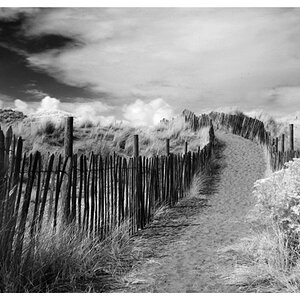
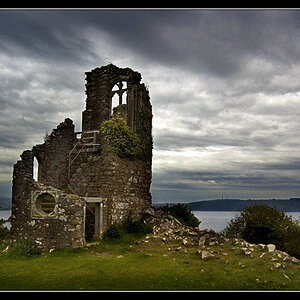
A good example of a really tough scene for metering is this one...
This is, in fact, the place I learned about this problem. I tried spot metering with this, and got all kinds of horrible results. I tried full-frame with it, and got generally "ok" results, but the sky wound up being washed out too much because the area was overall on the dark side.
In the end, I used my brain and manual mode... I looked up at the sky with the cam, metered that, then looked down at the darker spots and metered those... I put it about 1/3 of the way up from the recommended exposure of the darker areas, and this was the result.
Anyway... hopefully this helps.



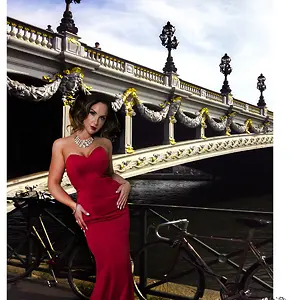
![[No title]](/data/xfmg/thumbnail/32/32812-c004ccede2969e280733ed1a4271ec1a.jpg?1734162500)
![[No title]](/data/xfmg/thumbnail/34/34130-336ba02cc837fdcc84b79f822e841df2.jpg?1734164648)
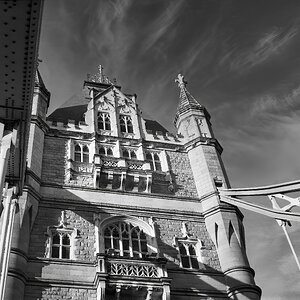
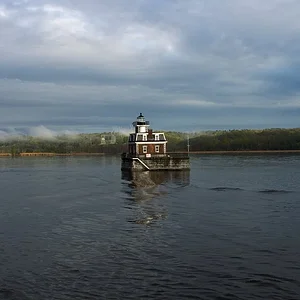
![[No title]](/data/xfmg/thumbnail/34/34132-7c7fbdcb2006703d33f975289561cd9d.jpg?1734164659)
![[No title]](/data/xfmg/thumbnail/34/34128-13fc5c1fff2d14776c9fae00b71ea084.jpg?1734164637)
![[No title]](/data/xfmg/thumbnail/36/36303-10b1a386a9a00cf90fb7605d2d2c48c1.jpg?1734168634)