What's new

Beginner intro and photos :)

AndyGoss

TPF Noob!
Joined
Oct 31, 2011
Messages
35
Reaction score
0
Location
Surrey, UK
Can others edit my Photos
Photos OK to edit
Im new to this photo malarky...and at first found it daunting using a DSLR, i gave up many times but then the need to learn took the better of me...picked it back up and just read about the basics of manual shooting over and over. After much head scratching i finally got to a stage where i understood shutter speed, aperture, iso, and exposure. well at least i think i do :)
Putting it all together is another thing to re create that image your eyes see. I still struggle with not knowing which metering mode to use and when for the desired effect/comp and likewise with the white balance. practice makes perfect i guess.

Anyways here is a handfull of my recent pics where i feel i had a little more comfort and confidence in knowing what i wanted and did my best to get that snap. none had any major post edit other than a tweak of curves really im new to PS too so thats only going to be basic :). Feel free to tell me your thoughts, tips, feedback whatever be it negative or positive.

I hope its not too much of a pic overload. I look forward to knowing your thoughts.

#1
IMG_1763copy.jpg


#2
IMG_1775.jpg


#3
IMG_1757.jpg


#4
IMG_1727.jpg


#5
IMG_1724bw.jpg


#6
IMG_1557.jpg


#7
IMG_1518.jpg


#8
IMG_1510bw.jpg
 
Welcome to the forums, and the first leg of your photographic journey. Here is the C&C you asked for:

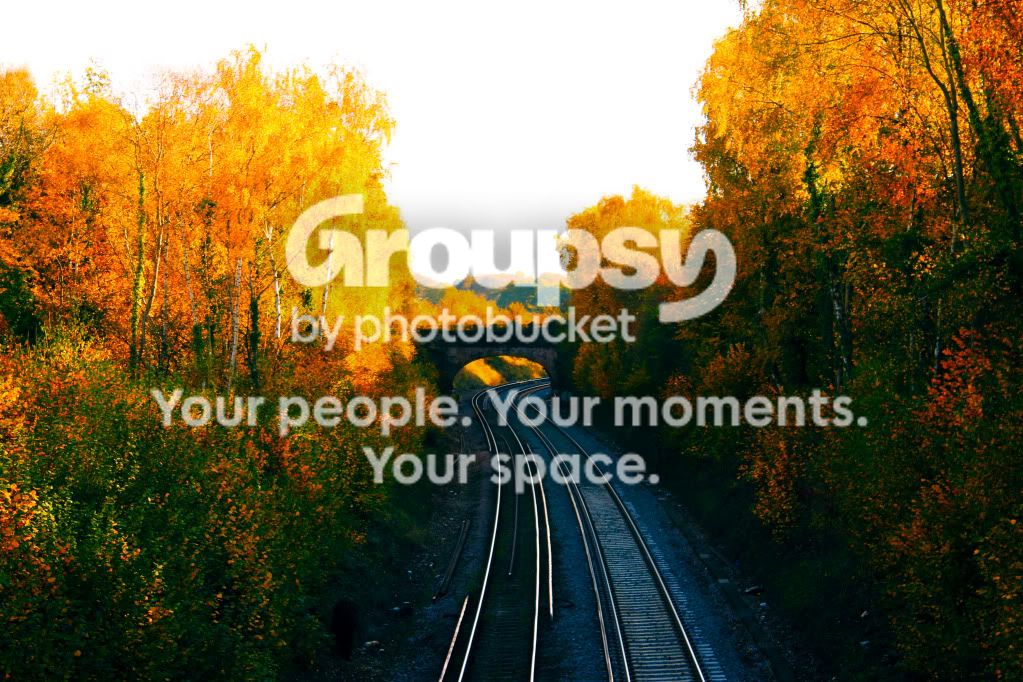
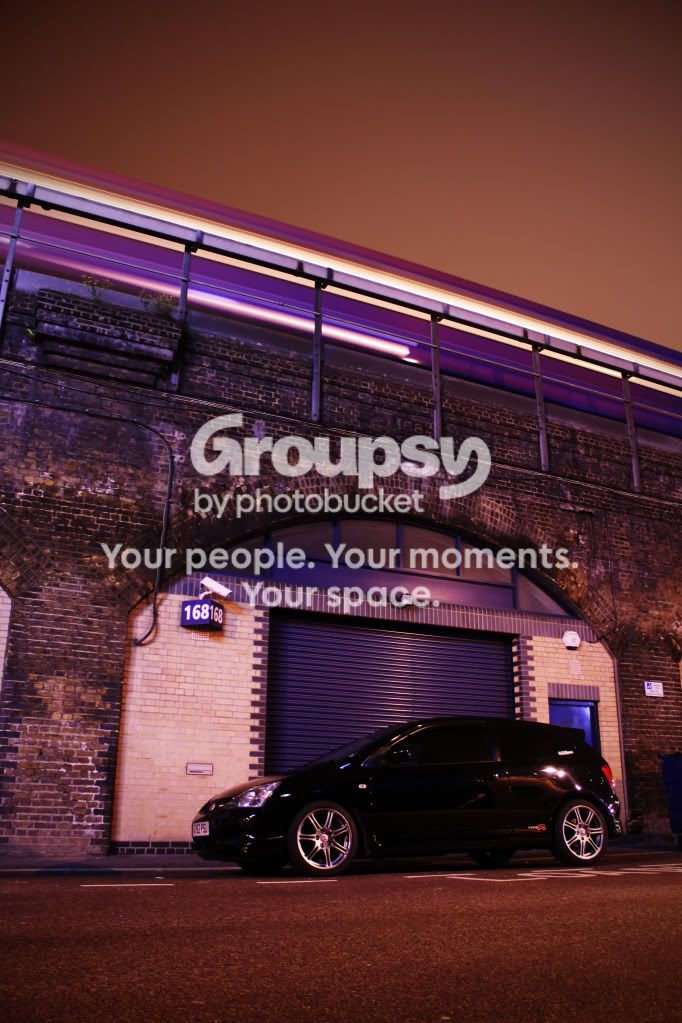
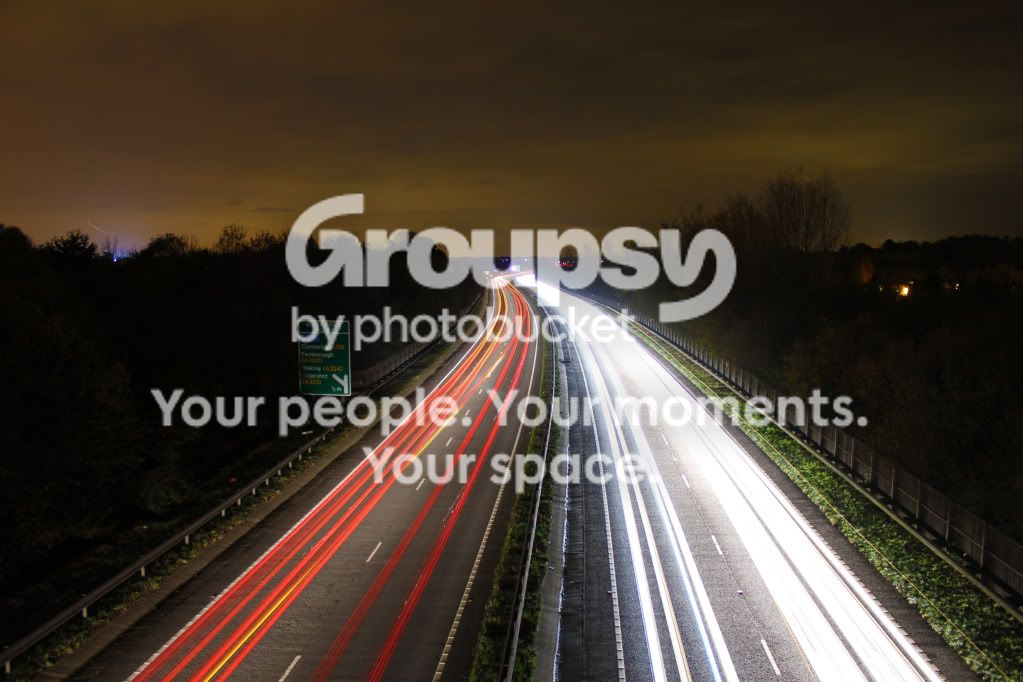
1. In this photo, you've used a relatively wide aperture for this type of shot. I'd suggest stopping down to f/5.6 @ 18mm and perhaps turning the camera down a bit, and in a vertical orientation. Your lines will be more defined, and you'll cut out some of the other lightsources that are distracting to the image.

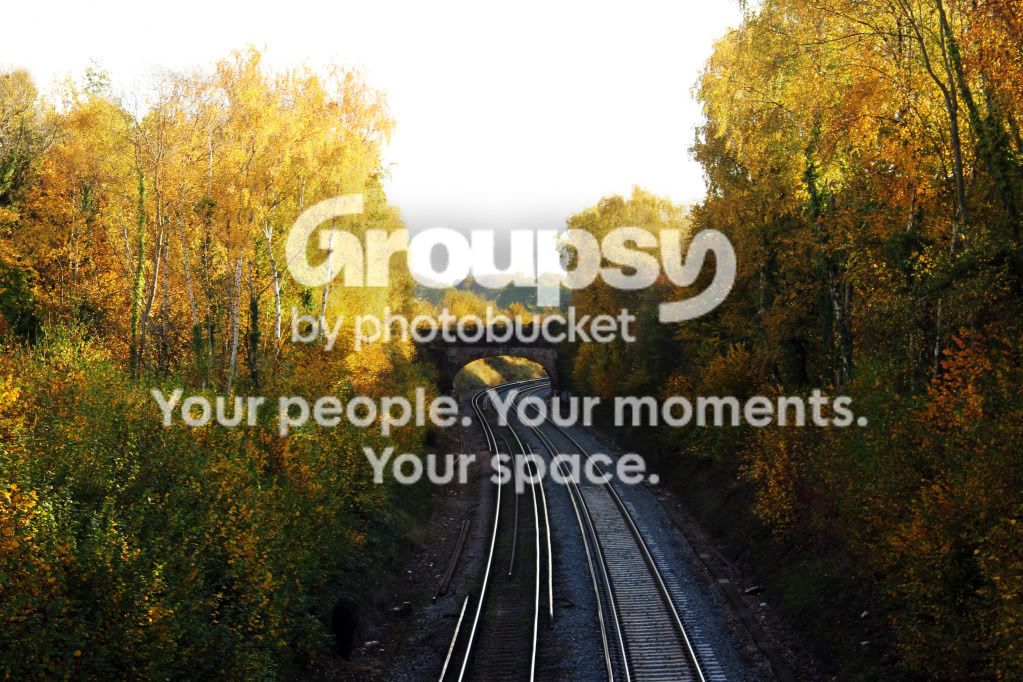
2. The oranges are oversaturated and nuked. When a color being over vibrant to the point where it looses definition in the sharpness of the photo, it's usually a bad thing.

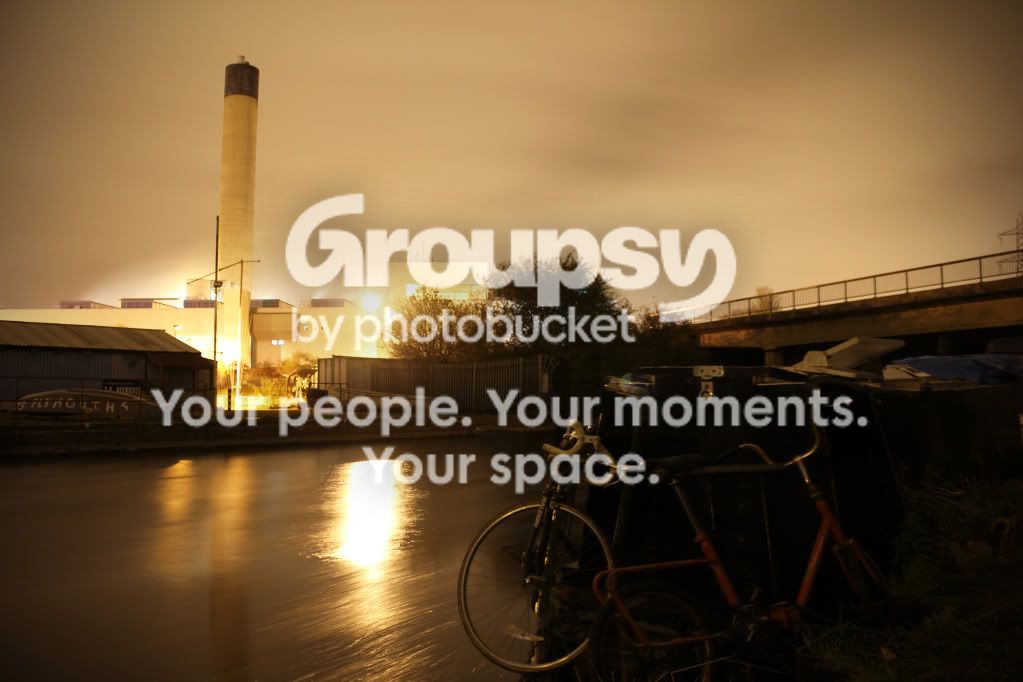
3. I am curious to know how your camera is supported during these long exposures. If you're on a sturdy tripod, you should turn IS off on your lens for long exposures. Your lens will try to correct for movement that isn't really happening, and it will make your image softer than it needs to be. This photo is fairly underexposed, and the bike needs more room at the bottom of the frame IMO.

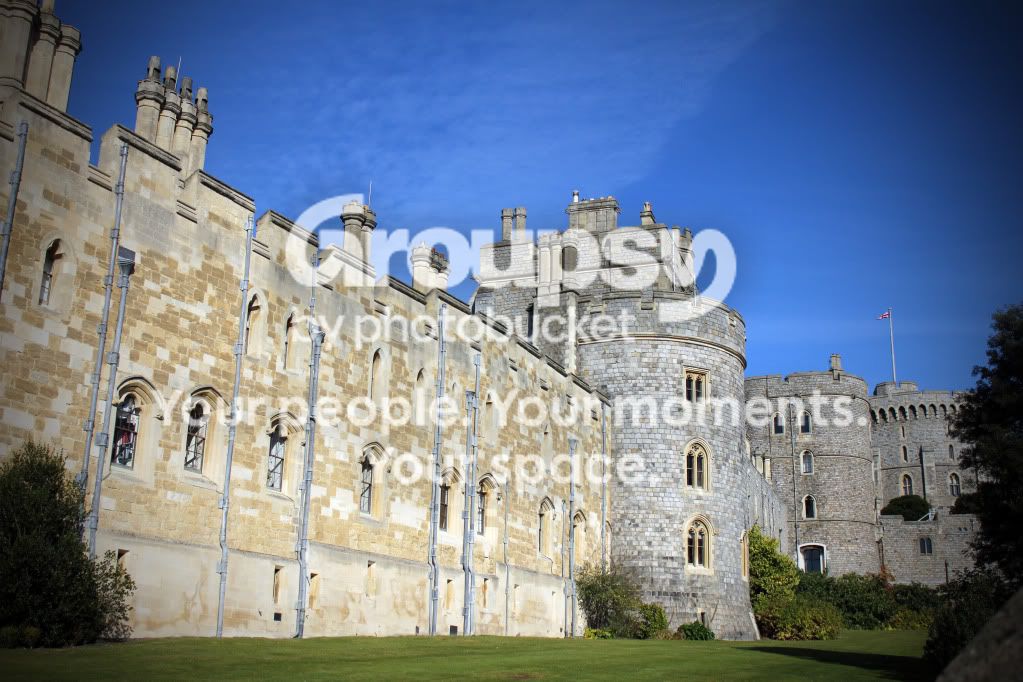
4. A fairly nice scene, but the vignetting is a bit harsh. Did you add that to lessen pronounced trees on the right side of the frame, or was it a stylistic choice?

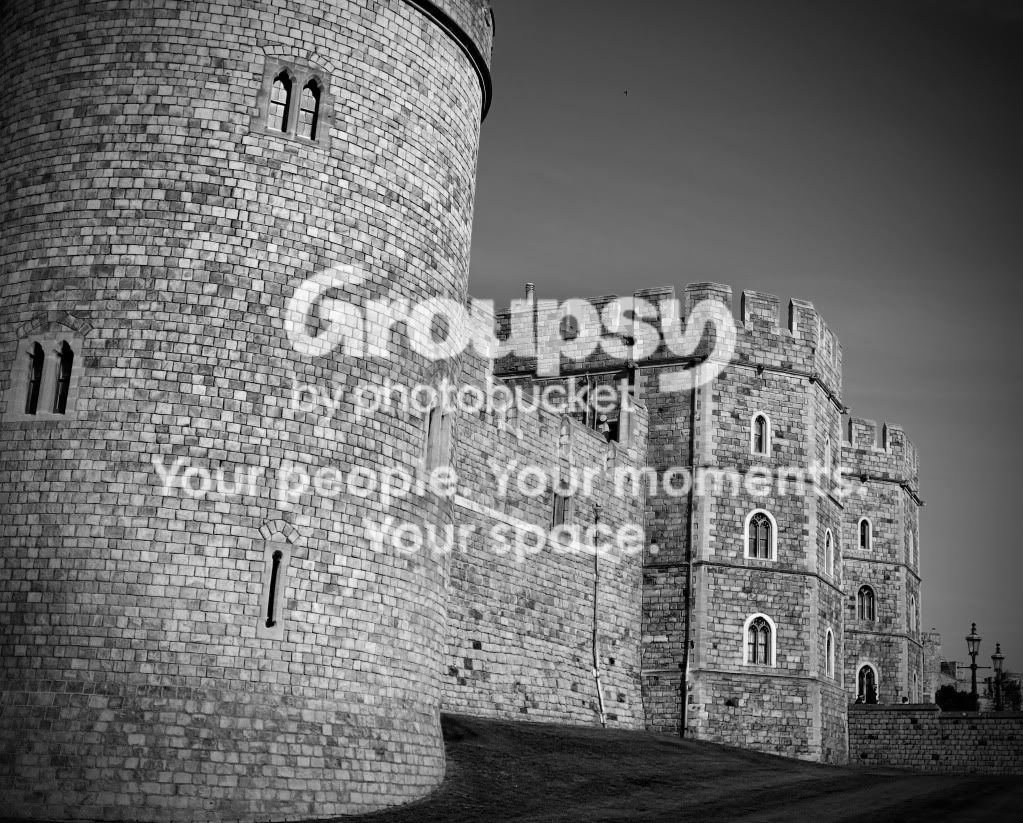
5. Another nice scene. However, the heavy vignette detracts from it, as well as the B&W conversion. The sky could be a bit brighter to give the photo some depth. Try converting it to black and white and playing with the luminance with your RAW image handler.

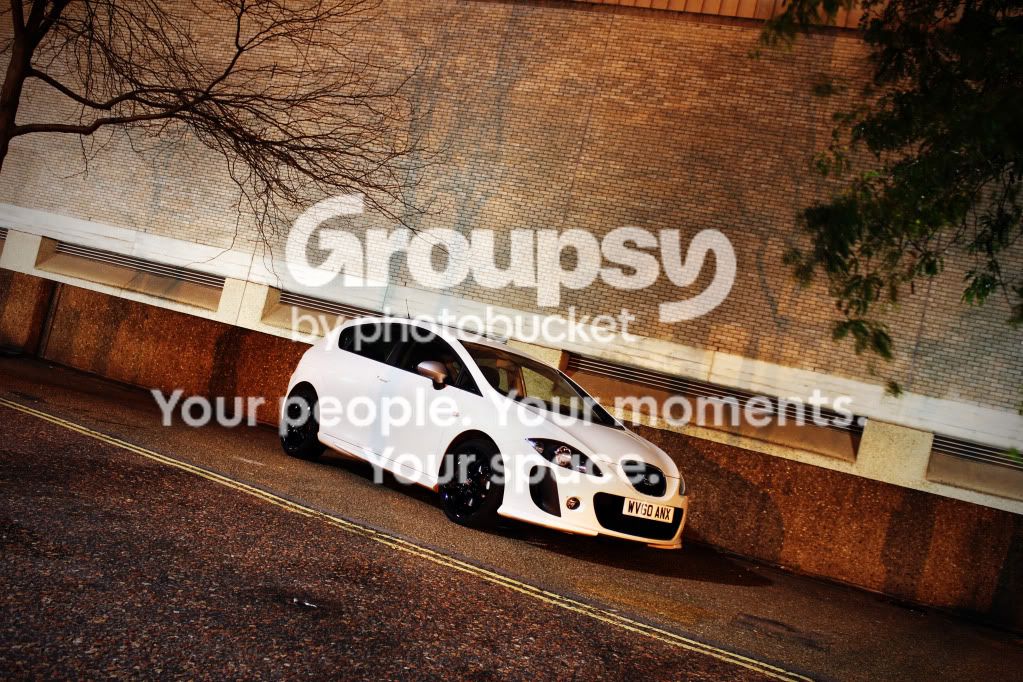
6. The subject is underexposed in this photo. This is a tough shot to have a good exposure on the subject and not blow the ambient. Really only possible with bracketing exposures, or supplementary lighting. Nighttime is just an unfavorable time to shoot vehicles unless you're willing to get a little more advanced than available light.

7. You did a good job making the subject stand out in this photo w/ good definition from the background. Next time, I'd shoot it at a longer focal length (55mm if that's all you have available), and move the car farther away from the background if possible. A good 20-30 feet would be ideal.

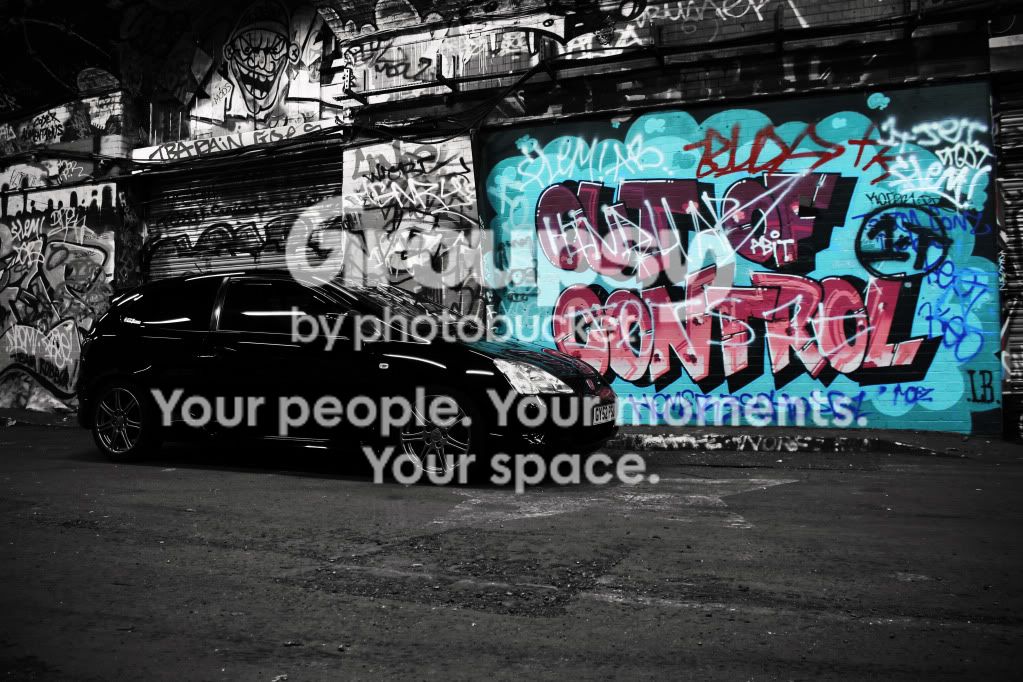
8. The selective coloring and the underexposed car makes me think that the image is more about the graffiti, and less about the vehicle.

You're off to a good start. Keep shooting.
 
I like 8 man very cool shot, I think the graffiti is more focused on but I like it like that. I like 4 too thanks for posting!
 
Thanks for taking the time to write some feedback really appreciate it.

1, was my first ever light trail shot I had no idea what or how to get this properly. Other than a source of light and a slow shutter...so Your advice helped loads.

2. yes your right it's totally a bad thing. I was getting a bit annoyed trying to do too many things that my knowledge was ready for so I had many under and over saturated tweaks, I just went with what I thought was better...I guess less is more really does apply?

3. I did try and get the bike more in scene but I had no more room to move. I was trying to light that side of the boat and the bikes up but what I had to hand wasn't adequate. I had no idea turning IS off would effect it? Is it a noticeable change from on or off? I can honestly say I only thought of it as a good thing for everything.

4+5. I guess to some you could say I spoiled the shot with the vignette this mostly came down to myself just learning how to apply a vignette so I was playing about and that's what I settled on. Again that less is more thing is needed I do have a tendency to use something too hard or full on. so I guess it's more a stylistic thing.

6. This one took me a good few shots to get something close to what my eye saw. like you said when I exposed correctly the lighting was all wrong and not what I was after as you said blown out and the train above had no colour just a washed blurr. Even though it would have been perfectly exposed...? If that makes any sense. when you say bracketing do you mean by taking three pics say at equal amounts one -2 0 +2? If I did this I wouldn't know how to blend them together... :(

7. Why would you use a higher focal length and move the car forwards so many feet? How would this effect the outcome...do you have an example so I can see what you mean?

8. This is sort of like the castle pics I was learning some PS stuff and tried it out that's all tried to combine selective colour with toning the b&w correctly but It kept ruining the image so I left it.

Thanks again for your feedback has definitely helped a bunch already!
 
I like 8 man very cool shot, I think the graffiti is more focused on but I like it like that. I like 4 too thanks for posting!

Thanks I'm glad you like! I guess aswell as learning on PS..I Tried to make the words in the graffiti and the car stand out...as my car is black I didn't really know how to do this other than b&w... :)
 
IS will effect your image if your camera is stationary. It's causing the camera/lens to think more than it has to, and creating softness in your images when using your camera for long exposures.

As for moving your subject away from the background, and using a longer focal length... A longer focal length will get more of your subject and less of the background. Moving the car away from the background will also render the wall or backdrop as less distracting out of focus area. You'll find that when photographing pretty much anything against a designated backdrop that you want a good distance between subject and backdrop. Here's a shot that I took @ 85mm on my full frame Canon 5D

317636_10150364367491912_500091911_8387922_1453286891_n.jpg


This isn't the best photo to use as an example, but I think it will illustrate my point. As you can see, the leading lines as they go further into the frame get blurrier and more out of focus. The same would be true for a backdrop on the same plane as your imaging sensor. The farther away you are, the more out of focus the background becomes. The other thing to consider, is that longer focal lengths distort features/characteristics far less than a short focal length. Anything below 35mm is considered a "wide angle" lens, and will generally create a large amount of distortion (depending on the quality/characteristics of the lens).

I took this photo with a 35mm f/1.4L lens on f/2.5, and the depth of field is quite great because of its short focal length. I took the other photo on the same aperture at a longer focal length and got much shorter depth of field.

263792_10150240328651912_500091911_7411052_6563830_n.jpg
 
oh i see i basically had it all backwards.... i thought it was the other way around i thought the lower F was shorter depth of field and the higher was further. doh! i will have a play and try it out on something and post again.
 
Welcome to the forum :sillysmi:
 
is this a better version of the train tracks?

i had a play and tried to not over saturate it.

IMG_1775redoo-1.jpg
 
oh i see i basically had it all backwards.... i thought it was the other way around i thought the lower F was shorter depth of field and the higher was further. doh! i will have a play and try it out on something and post again.

Well your terminology is wrong. f/numbers are actually fractions. F=focal length. So if you have a 50mm prime lens at f/2, your aperture will be wider than 50mm @ f/4. The fraction tells you what the diameter of your aperture diaphragm is.

50/2 = 25mm
50/4= 12.5mm

The wider your aperture is (the larger the fraction) creates a lesser depth of field.
 
Oh ok...fail on my behalf I'll get there eventually :)
 
The bike shot is the most interesting to me. Tough lighting, though, usually handled by combining multiple exposures. I know this is a more advanced technique, but worth looking into if you like this kind of shot. An approximation to it can be done by processing the same raw file (you are shooting raw files, are you not?) twice, once for highlights and once for shadows. The goal would be to get more detail in the highlights on the water and also in the bike.
 

Create an account or login to comment

You must be a member in order to leave a comment

Create account

Create an account on our community. It's easy!

Log in

Already have an account? Log in here.

Back
Top Bottom