sorry it was the T1i

the digital SLR .
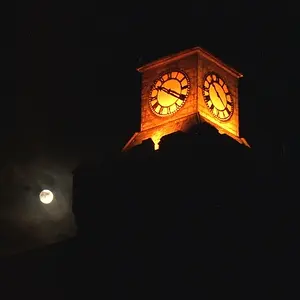
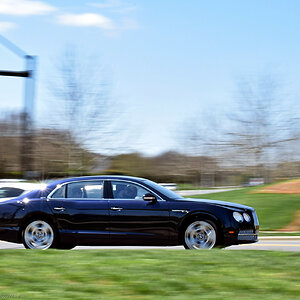
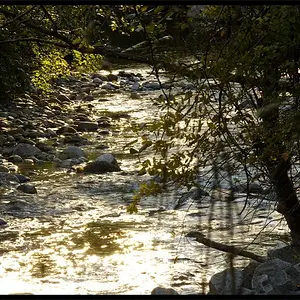
I forgot to say, when I set on AV mode, F-stop F4 , the meter is at 0 in which my photography teacher said you should always try to set the meter at 0 exposure, but the pictures didn't turn out nice.
Theoretically you want your meter to be at 0. However you have to know what your meter is doing and what it is trying to make 0 out of before you can get a good exposure.
You also have to understand the metering modes and what your meter is looking at to determine exposure.
Your meter is trying to make 18% or middle gray. It doesn't see your scene or child or anything. It sees the light and dark only. Imagine your scene in grayscale.
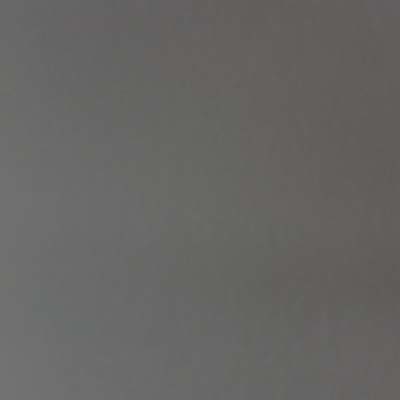
Your camera is trying to make that grayscale scene average out to middle gray or roughly this brightness:
The different metering modes determine what the camera is trying to make that shade of light to dark.
Spot metering only measures what is in the center spot on your camera. It can work well if you can imagine the scene in light to dark and are able to know what you'd like to be about that brightness.
Center weighted average takes into account all of the scene or all of the pixels. It averages them all out, but then makes the ones in the center more important or like a weighted test that counts more than maybe homework does.
Evaluative metering evaluates the whole scene and tries to average it out to middle of the road.
If you are taking a photo of a person-skin is not middle of the road. It's lighter. If you are outside grass is often a good middle of the road.
A gray card can be handy for setting exposure because it's 18% gray-middle of the road. You simply place it where you are shooting, meter, set up your camera and it should be accurate.
There is more to metering, but that comes with time shooting and getting to know more about your style and what you need. That will give you a good idea of where to start and how to get things a little closer to good!