What's new

Cross processing, and other edits

MsCuriosity

TPF Noob!
Joined
May 24, 2012
Messages
4
Reaction score
0
Location
Kalamazoo, MI
Can others edit my Photos
Photos NOT OK to edit
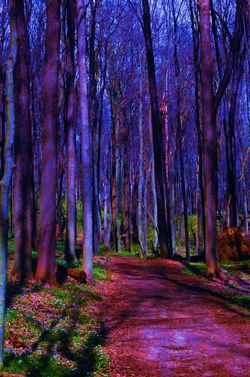
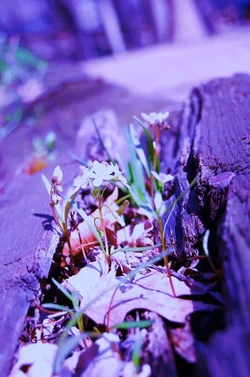
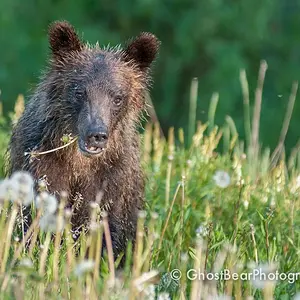
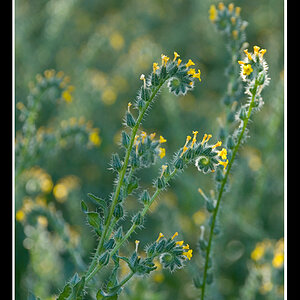
I love the cross processed look, especially in the nature pictures I take. Is this "frowned upon" by seasoned photographers? I generally edit everything I take, and fit it to appear how I prefer (I only take pictures for my own benefit). How often do most of you edit your pictures versus leaving them natural?
 
So digitally you're going for the lo-fi (toy camera, ruined film look).

If you like it, and you're only shooting for yourself, then why even ask for approval ... the point is, you take the photos for YOU, and YOU like it.

I don't like the look personally. I noticed this is the "in" thing with younger shooters who weren't around back when the original photos were shot that they're trying to imitate. The faded out, damaged photos were usually a result of age and didn't have that damaged appearance when they were fresh. That... or we just botched the photo. Either way, it wasn't considered a result that we actually wanted. There was always the occasional exception... but generally nobody went out of their way to achieve that look. We had photos in the studio front window that would eventually get UV damage and faded... those photos had to be removed and replaced with fresh stuff... because having damaged looking photos back in the days of film was NOT the "in" thing and was definitely bad for business.

I've seen people who put this effect on nearly everything they do. Like ANYTHING... you can over-use an effect and it becomes tired and cliche. That's how I feel about it (I curse Instagram!) A relative was putting together a portfolio and I noticed an excessive number of these and remarked that those who look at your portfolio might be interested to see your processing skills... but they're very interested to see your shooting skills. To see that, you need to include a some good healthy "straight" shots -- that you don't mess with other than minor corrective adjustments (but no "effects"). I view the low-fi look as something a person does to cover for photos that came out badly.

If you were shooting for other people's benefit, then I'd tell you to keep it to a minimum. But if you're only shooting for your own benefit, then have fun with it.

 
$knc.webp

$knc2.webp

I was told this is cross processing by a friend who had gone to Brooks, but from what you're saying, TCampbell, I'm not sure now? I know the Instagram look you're talking about, and I don't believe any of mine are done in that way. I don't always use the purple hue, as a forewarning.
 
MsCuriosity said:
I was told this is cross processing by a friend who had gone to Brooks, but from what you're saying, TCampbell, I'm not sure now? I know the Instagram look you're talking about, and I don't believe any of mine are done in that way. I don't always use the purple hue, as a forewarning.

Cross-processing is a film processing technique using C-41 film in E-6 processing solution. Google image cross processing. Your digital edits looks like the saturation was cranked up and pushed in a purple tint.
 
Cross processing, in my limited experience, doesn't really work in a lot of cases. Meaning, it doesn't actually make the photo look any better that it would have done if I'd processed it normally as E6 rather that C41. If you're doing it with film then you need to know exactly how the film will react otherwise it could be a waste of time and effort.

These days it doesn't really matter, I scanned the film anyway so it was actually slightly pointless cross processing it in the first place.

It's just another way to process a photo. I generally add contrast and adjust the black levels, perhaps even the saturation. The only 'extreme' editing I do is when I remove skin blemishes, adjust jaw lines, fix make-up, brighten eyes or remove veins; in reality those are quite common things. Sometimes I go too far with clarity or contrast when I do black and whites.
 
"cross processing" was a film term. Each particular type of film was meant to use a specific set of chemicals during the development process. "Cross processing" simply meant that you developed film requiring one type of processing using the chemicals for a different type of film processing.

In digital, you can't technically "cross process" since there is no film nor chemicals -- but you can still digitally edit to get the "look" as though you had.

Having seen your photos, there are other ways to get different effects (even with film) without cross-processing. IR film, for example, has quite a unique look to it when processed normally.
 

Create an account or login to comment

You must be a member in order to leave a comment

Create account

Create an account on our community. It's easy!

Log in

Already have an account? Log in here.

Back
Top Bottom