What's new

Exposure Problems

Steve56

TPF Noob!
Joined
Mar 28, 2011
Messages
80
Reaction score
0
Location
U.K
Can others edit my Photos
Photos OK to edit
Hi everyone,

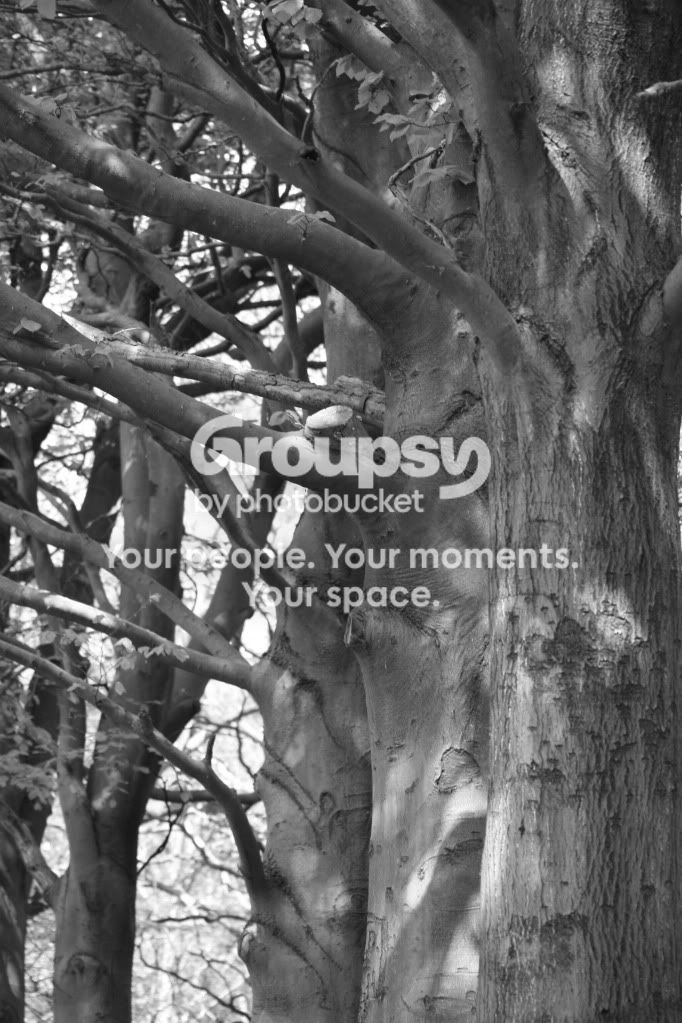
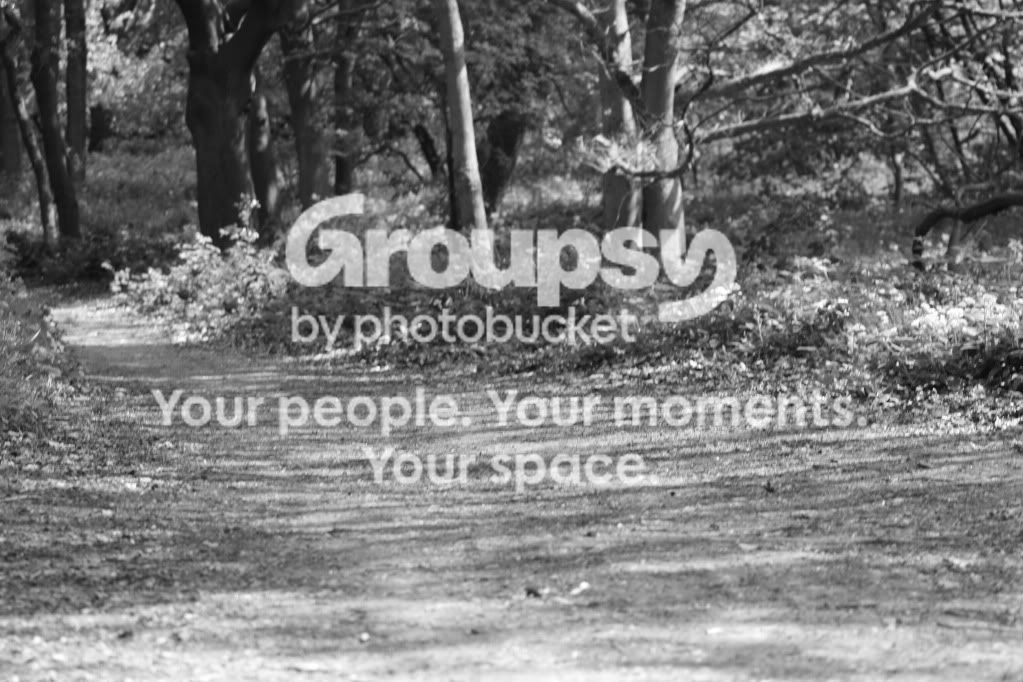
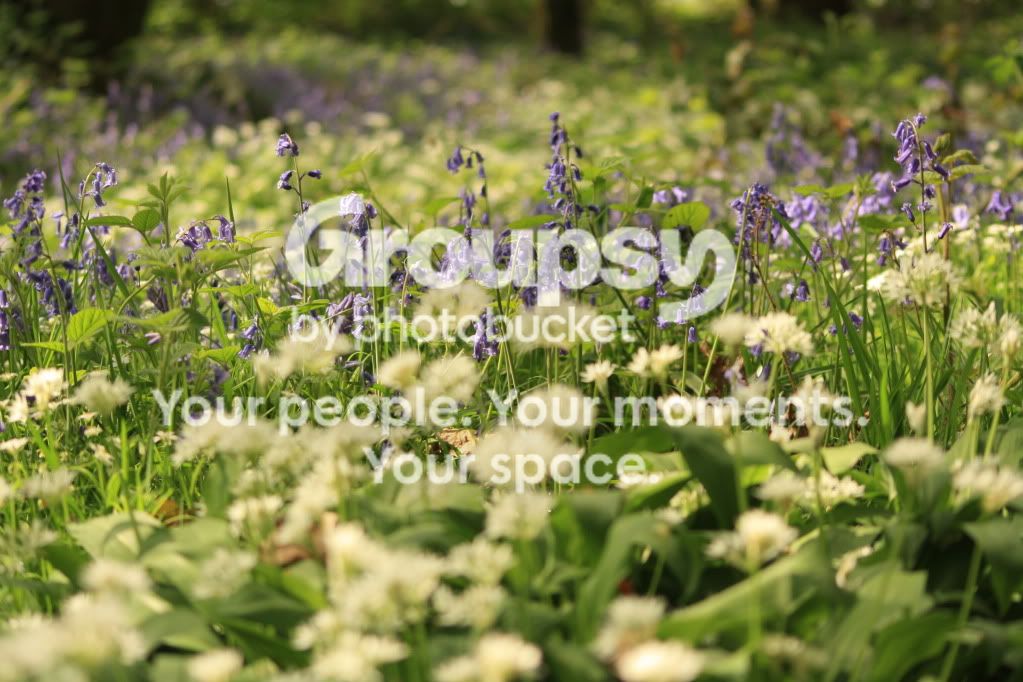
I've provided a few shots in a wood near to where I live. I'm having a lot of problems with over/under exposure. It's really frustrating me because no matter what I do, I can't seem to get a correctly exposed photo.

We're having a lot of good weather recently and it's very bright sunshine, which doesn't seem to help.

Anyway, here's the examples. Comments welcome. Any tips for dealing with lighting and exposure are welcome.

1
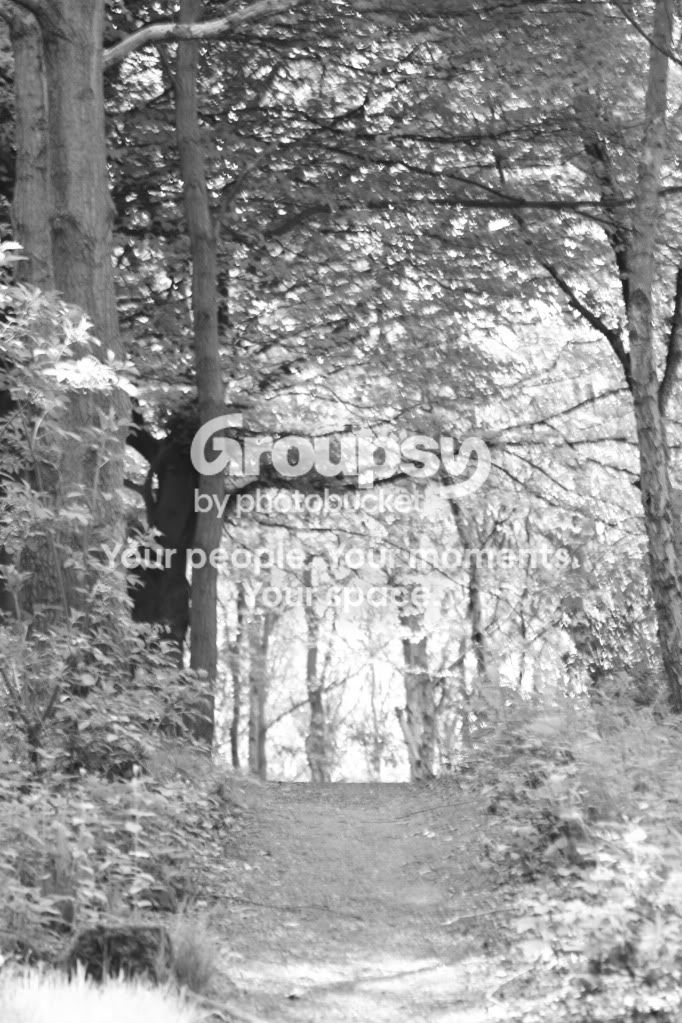
IMG_1222.jpg


2
IMG_1221.jpg


3
IMG_1204.jpg


4
IMG_1201.jpg


5

IMG_1198.jpg
 
Your problem is not understanding how your camera is metering, your camera cannot handle the difference between the very bright areas and very dark areas, this sis one of the hardest areas for beginners to understand. In most of them you have shot in aperture priority, going on the first shot your camera has taken a reading from a dark area because the shutter speed is only 1/25 so the light shinning through the tree is totally blown, the last shot is quite well exposed because the dynamic range is not as great as in the woods
 
That difference between bright and dark areas defines the dynamic range of a scene. Understanding Dynamic Range in Digital Photography

The next issue to address is the camera metering mode. Your camera likely has at least 3 different metering modes to allow for different shooting conditions and photographer intent.

IIRC you shoot with a 1000D, if so, I don't think you have a spot metering mode.

From the specifications listed for your camera:

Evaluative metering (linkable to any AF point)
Partial metering (approx. 10% of viewfinder at center)
Center-weighted average metering
 
Last edited:
Your problem is not understanding how your camera is metering, your camera cannot handle the difference between the very bright areas and very dark areas, this sis one of the hardest areas for beginners to understand. In most of them you have shot in aperture priority, going on the first shot your camera has taken a reading from a dark area because the shutter speed is only 1/25 so the light shinning through the tree is totally blown, the last shot is quite well exposed because the dynamic range is not as great as in the woods

Is using "Aperture Priority" here incorrect? That's what I have been using all the time. What exactly do we beginners do when in a situation where the dynamic range of the scene is higher than the camera can handle? G-ND filter, CPL filter, or maybe AEB? :scratch:


Inquiring minds want to know!!

Never mind. KMH answered it, I think.
 
What exactly do we beginners do when in a situation where the dynamic range of the scene is higher than the camera can handle? G-ND filter, CPL filter, or maybe AEB? :scratch:


Inquiring minds want to know!!

There's no fix for excessive dynamic range. If you can't change the lighting then don't take the picture. It's a wasted effort. The key is learning to see it coming. Lesson learned: We can't photograph everything we see.
 
What exactly do we beginners do when in a situation where the dynamic range of the scene is higher than the camera can handle? G-ND filter, CPL filter, or maybe AEB? :scratch:


Inquiring minds want to know!!

Never mind. KMH answered it, I think.
The shooting mode doesn't have all that much to do with it for a static scene, unless you consider the DOF.

When the scene has a dynamic range so high it exceeds what the image sensor can record you have to make multiple photos (exposures) and combine them post process.

How many exposures you will need to take depends how broad the dynamic range is. Two exposures, 1 for the sky, and one for the rest of the scene, may be sufficient.
Three or more exposures combined together is known as an HDR (High Dynamic Range) image.
Using spot metering you can meter the brightest part of the scene, note the exposure values, then spot meter the darkest part of the scene, and note those exposure values.
From that information you can determine the total dynamic range in the scene and work out how many exposures, and what exposure value steps, you need to record the light in the entire scene.

Doing photography well requires having a technical understanding of how the tools work, what their technical limitations are, and how, if posssible, you can work around those limitations.
 
And it is up to you as an artist to decide what the exposure is. I mean you can have your subject to be -3 and you have a silhouette photo, or you can have your subject at 0 or +1 with back lit that is blown.
 
What exactly do we beginners do when in a situation where the dynamic range of the scene is higher than the camera can handle? G-ND filter, CPL filter, or maybe AEB? :scratch:


Inquiring minds want to know!!

There's no fix for excessive dynamic range. If you can't change the lighting then don't take the picture. It's a wasted effort. The key is learning to see it coming. Lesson learned: We can't photograph everything we see.

I suppose in my case (and with the tools I've got) I can only choose a different time of day for that particular shot with different lighting.

Thanks for the input everyone. These shots made me feel really inadequate considering this is just a hobby.
 
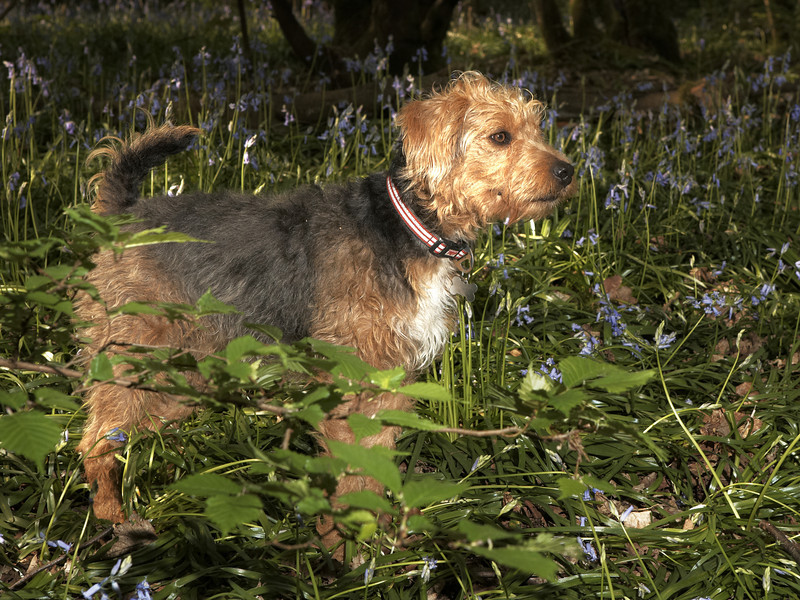
Where these at Renishaw ? if you want me to come down one day and give you a few pointers you only have to ask. Heres one i took the same day with some flash extra tools can make a big difference

img_3542-L.jpg
 
Where these at Renishaw ? if you want me to come down one day and give you a few pointers you only have to ask. Heres one i took the same day with some flash extra tools can make a big difference

img_3542-L.jpg

No, these were taken in Treeton Woods near Handsworth. It was literally just a spur of the moment shot as I regularly go walking there.
 
What exactly do we beginners do when in a situation where the dynamic range of the scene is higher than the camera can handle? G-ND filter, CPL filter, or maybe AEB? :scratch:


Inquiring minds want to know!!

There's no fix for excessive dynamic range. If you can't change the lighting then don't take the picture. It's a wasted effort. The key is learning to see it coming. Lesson learned: We can't photograph everything we see.

I suppose in my case (and with the tools I've got) I can only choose a different time of day for that particular shot with different lighting.

Thanks for the input everyone. These shots made me feel really inadequate considering this is just a hobby.
There are indeed fixes for excessive dynamic range.

Like most worth doing, there is a learning curve. Just do like everyone else does, walk the curve, one step at a time.
 
It just seems like there's some new technique or factor that I don't know about after taking my photos. :lol:
 

Create an account or login to comment

You must be a member in order to leave a comment

Create account

Create an account on our community. It's easy!

Log in

Already have an account? Log in here.

Back
Top Bottom