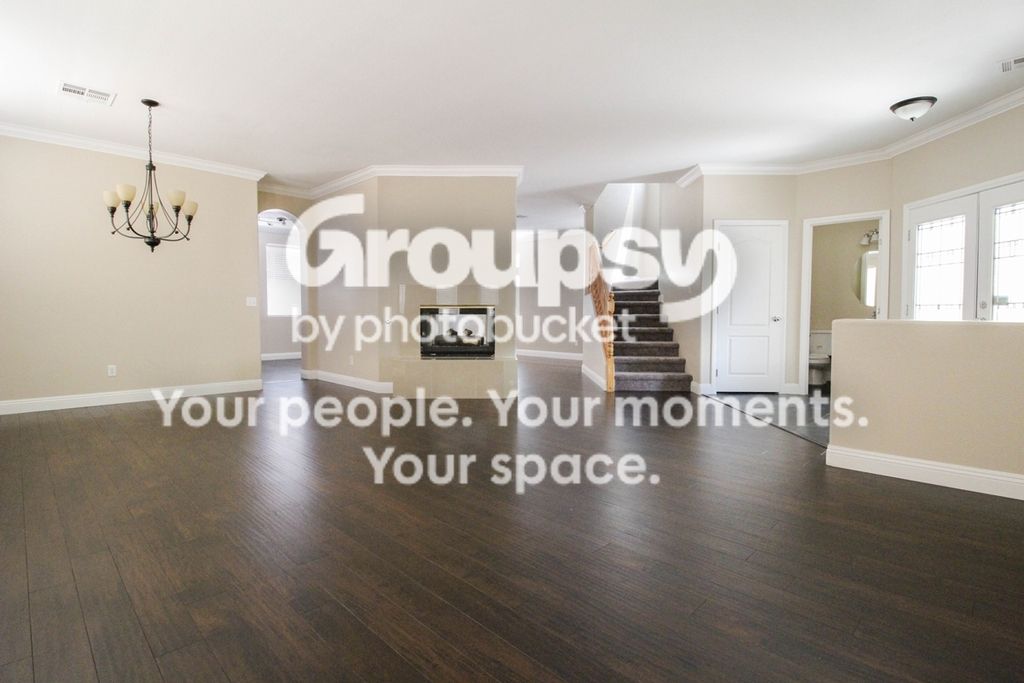
You've discovered dynamic range! That's the term that describes the difference between the brightest and dimmest areas of the scene, and cameras cannot record all the levels from bright outdoor sunshine to shaded indoor scenes.
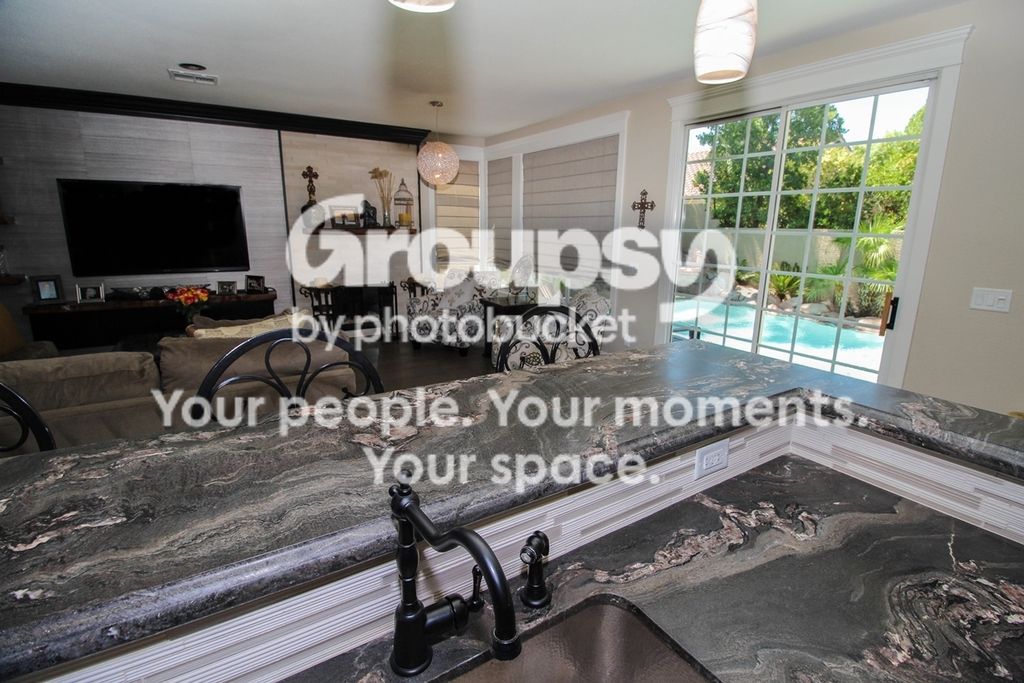
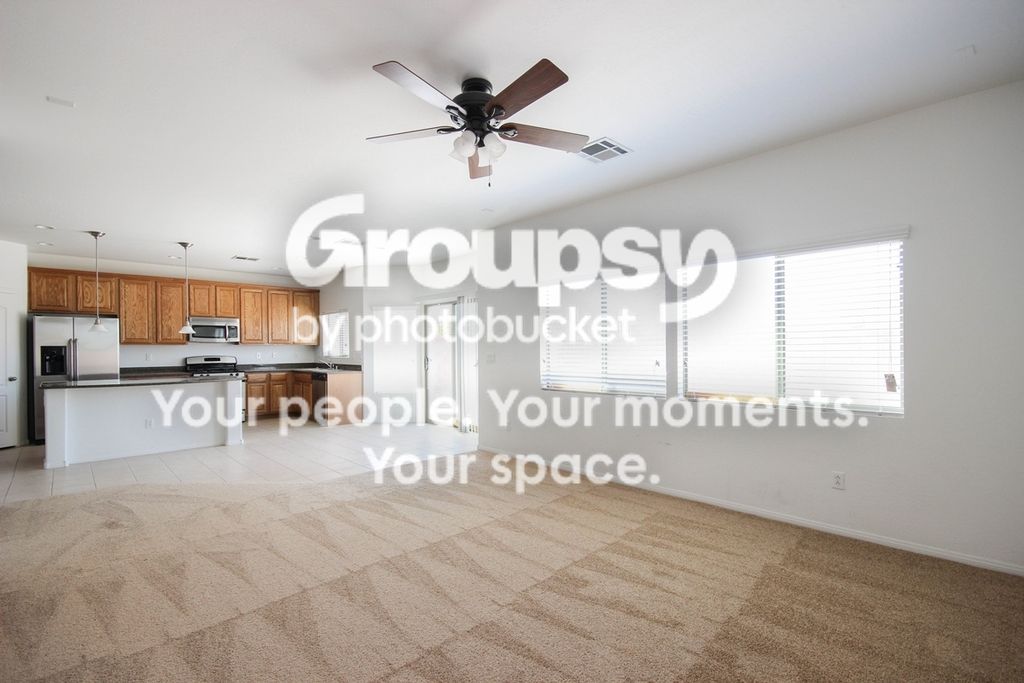
In your second image, you metered the window scene and used a flash, either the camera's pop-up or a larger unit on the hot-shoe (shown by the shadows cast by the ceiling fixtures, the stools, and the faucet.) The flash didn't spread enough light to cover the frame, resulting in the darker area on the left. You can also see how it falls off with distance, with that far corner being poorly illuminated compared to the near counter space. The others, except for the last one, I would call slightly overexposed. They have a washed-out look, lacking contrast.
People who shoot indoor scenes like that use several lights, triggered remotely by the camera. For example, in your second one, there could be a pair of lights on low stands (out of sight) in front of the sofa, one firing towards that dark area to the left, another firing towards the chairs against the wall, maybe actually more towards the fireplace. maybe also one left of frame firing towards the patio door to light the back of the sofa, and one low between the counter and the patio door firing towards the fireplace but more up, towards the ceiling.
Another option is to face away from the windows and use the natural light to light your scene, without including any of the windows in the scene.
What I'm getting at is that with sunny windows and a single on-camera flash, you're going to be very hard-pressed to get the results you want. Indoor scenes
have to be artificially lit to complete with the window light. There's just too much difference between the light indoors and outdoors to use the window light to actually light the room, too. You can use the natural light, without flash, to illuminate the indoor space, but you should then use a viewing angle that actually does not show the windows, just walls and furniture.
Also... tripod! Even with fairly fast shutter speeds, setting the camera on a tripod lets you bracket the exposures, shooting several frames, some a little dim, some a little bright, with the exact same point of view, which will not be possible handheld. With bracketed shots you can composite or even HDR a bit to compress the dynamic range.
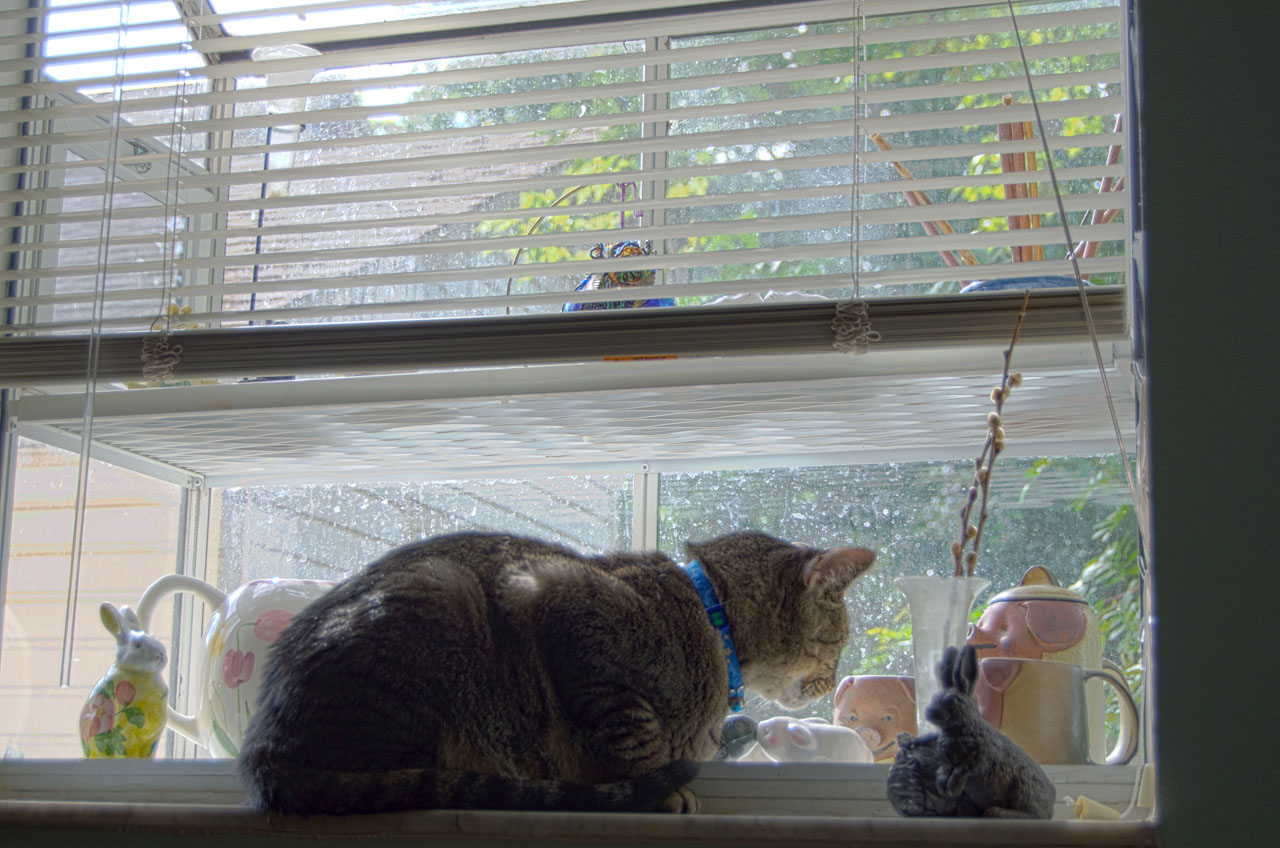
Before anyone says, "Ooh, no HDR!!!!" I'm not talking about the exaggerated saturation and "painted" look you get with excessive HDR processing. I'm talking about using it as a tool to bring up dark detail and bring down highlights. This image is an HDR of my friend's cat on a windowsill. There is no way to capture this without HDR. Either the cat is silhouetted against the outdoor scene, or the he's visible against a white background. Three frames 2 stops apart from each other were used.
Lightroom doesn't do HDR, Photoshop (sorta) does, but there are lots of standalone HDR programs out there.







![[No title]](/data/xfmg/thumbnail/32/32941-f21147be61c00828a23d6ce011d840eb.jpg?1734162763)

![[No title]](/data/xfmg/thumbnail/32/32942-4440dd4ca2ff307a5d19277feedf1d94.jpg?1734162769)