Approach 1:
Use natural light from the sun or from windows - but to make the most of it you'll need at least one reflector (silver/white) for fill. Hunt around your area to find good backdrops - either natural or suitably neutral man-made.
Approach 2:
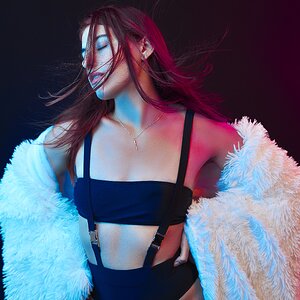
Studio lighting - you need 5 lights, ideally strobes. The 600 is probably OK, but if you want to photograph groups you may want something a little more powerful. The lights would be: key (main) light, fill light (but you can use a reflector instead), two background lights (one is fine for most things though) and a hair light. You also need lighting stands/tripods and some kind of light modifiers. For modifiers, most people would start with 2 or 3 umbrellas, but I personally would prefer an octagonal softbox (octabox) for my key light as it gives a much softer, more flattering light which gives results I prefer for most subjects. (for men, sometimes you may want a harsher light). The softboxes and umbrellas you can DIY if you're really on a budget. Beauty dishes are popular too (google them) and you'll find a lot of people have DIY'd those too.
Approach 3: Use regular inside lighting, candles etc ... better make sure your camera has low noise at high ISO. Increase the number of lights you're using, move them around for the best effect, and in contrast to the other two approaches, ask them to stay still while you shoot!
You can buy a background stand and seamless backgrounds, but if you're really just starting I'd make do with standing/sitting the subject in front of curtains or a plain section of wall. They need to sit a fair distance from the wall so that the key light doesn't illuminate the wall (presuming you don't want it to) and so it's easier to throw the background out of focus.