Well seeing your shots finally got me to make a reverse-lens mount of my own. A bunch of people have been asking how to make one, so here is what I did (I have a digital SLR - Canon D20).
First I took a body cap and removed the center of it (drilled lots of holes around it, then cut around them and filed it all down. Smoothed with sandpaper. This gives you a big plastic ring that will attach to your body. I then removed the glass from a 58mm (the filter size for the lenses i want to use) filter. I then superglued the 58mm filter to the ring (after roughing both surfaces). I then superglued black fabric around the outside of the ring so as to prevent light leak. BE CAREFUL TO ensure that the filter is oriented so you will be able to screw this whole contraption on to the front of your lens. DO NOT put the adapter on your lens until it is dry - it will leave marks on your lens at best and become glued to it at worst. OK. So what you have when you do attach it to your lens is pretty much a lens with body fittings on both ends. (If you want to dedicate a lens to this, it's easy to just put body caps on both ends). Attach your lens to your camera backwards. The more wide angled the lens, the "closer" you will focus and the more magnification you will get. You will have problems with lgiht, so use a lens with as high an aperture as possible (I use a sigma 28-70 2.8. Even with that I have to use ISO 1600-3200 often). At 18mm, my 18-55mm lense focuses at about one inch. Here are some pictures I've taken with this setup - i'll try to get some pictures of the rig up tonight. Maybe some neat little diagrams, as well.
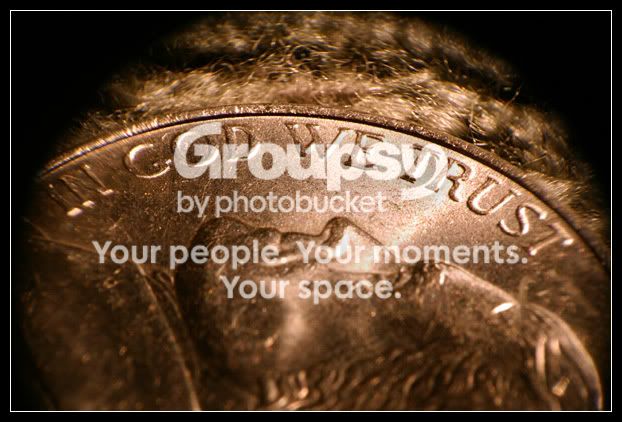
Not the greatest picture for focus, light, or composition, but it gives you an idea as to the zoom you can get with a normal wide angle lens.
The words on a light bulb
This is the zoom range of my Sigma 28-70 lens mounted backwards (sorry about the out of focus shots).
Zoomed "out" all the way - 70mm
Zoomed "in" all the way - 28mm (That's the dot on the I in "vanilla).



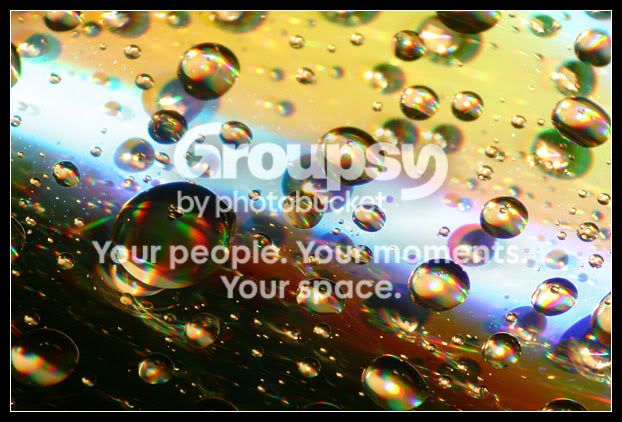


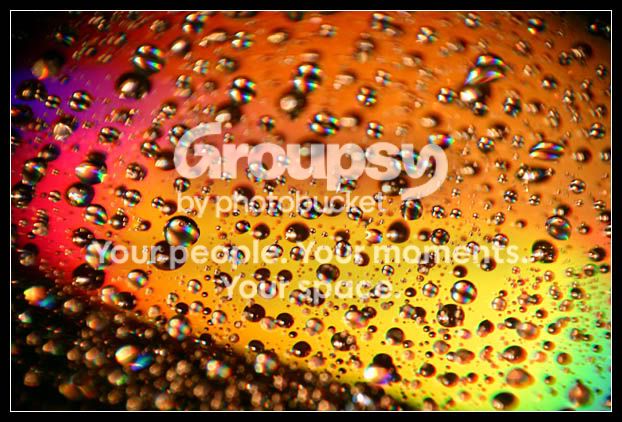
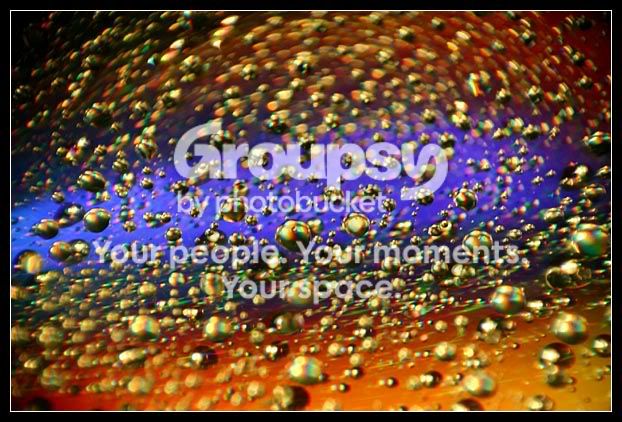


 .
.