Metering different spots in a shot is fairly simple, though most times you will find that it is hard to do with a moving scene or one with living elements (since at any point they can move and the lighting on them change). Practice and experience can make you faster of course.
Simply you point the camera at the different areas of the shot (sky and hten land for example) and take a reading on the camera to get a proper exposure. Note that this method does require some experience and an idea of what settings you want fixed for both shots -- so in the example of a landscape both would want a low ISO and if your working from a tripod then you won't have any shutter speed worries (so that can go as slow as it wishes).
If you note the settings down and then compose the shot as you wish you can then take the needed shots in a series - changing the settings as you go from shot to shot without having to adjust the framing at all.
Note that you can also use bracketing mode for this as well (read camera manual for more details on this mode)
Further if your camera supports it there is a metering mode (again read camera manual) called spot metering, where the camera will meter off only the centre point on the camera screen - good for point metering, but remember that it won't be taking any of the surrouding areas into account when metering like that.
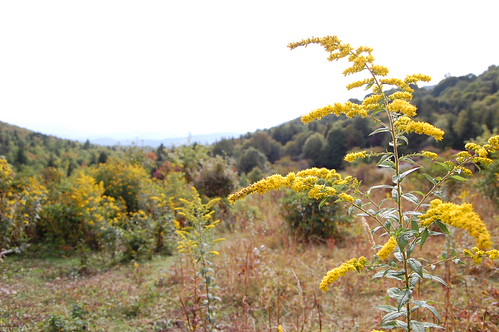
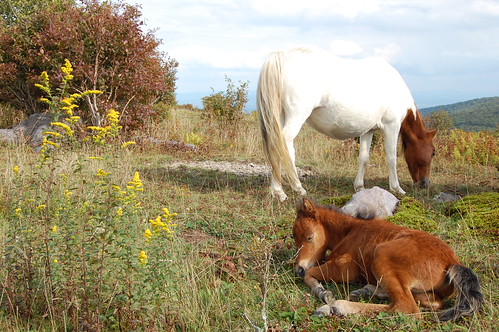
As for bright and reflective objects you have to understand that (at times) the camera meter can be fooled, especially in brighter lighting conditions - it can lead to giving your settings which would leave you with blown highlights (like hte horse in your shots above) and this is part in parcel with learning how the camera thinks when it meters - underexposing a little will help to protect these brighter areas from overexposing, though of course it will put some darker areas into your shot as well. How much of each is acceptable is up to you and what you want the shot to look like
(note spot metering is often not fooled at the point it is directed at, but of course because it is only looking at one spot the remainder of the scene can be under or over exposed by a great degree if you are not carefull).
I strongly recomend reading up about using your cameras Histogram when reviewing your shots on the camera to help check for blown highlights and underexposed spots. Its a very powerfull tool when in the field and much easier to review than teh actual image itself on the camera LCD.
There is a good 2 page article on this website here:
Histograms - Part I
Histograms - Part II




![[No title]](/data/xfmg/thumbnail/33/33031-909b1e1ff8739eef165c60b70c9a6a38.jpg?1734163051)
![[No title]](/data/xfmg/thumbnail/33/33030-2d80455c47ebf5f145e0bd5064267aea.jpg?1734163045)