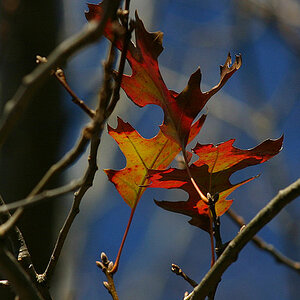
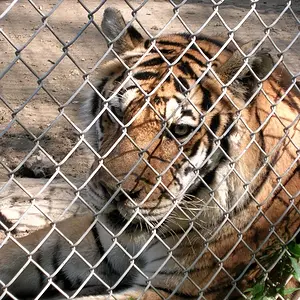
I agree with underexposed. We just haven't gotten around to getting editing software yet, and we're still learning the camera. Your C&C is greatly appreciated.
If you are using a digital camera - and don't do any post-processing, you are losing most of the advantages that digital allows and going back to the days of shooting slides.
With B&W or color film, the lab (or you) could control the development and the printing to give you the final version.
With digital, you have all that control and much more - but left to you to manage.
Nature does not care that you want the background dark and the foreground bright - or any other specific requirement; Nature does what it wants, spilling light and shadow where it wants and leaves the changes in development, contrast, brightness and color to you.
You may think you can make some decisions by shooting jpegs and setting the conditions in the camera but, unless you shoot in a studio or where there are controlled and steady conditions, that doesn't work as well as shooting raw for several reasons.
First, shooting jpgs, you are making decisions about the future before you get there.
Second, if you've made decisions wrongly, the ability to correct them is relatively limited.
Third, you've thrown away information that you can't get back.
No, you shouldn't shoot carelessly and expect or hope to correct in Photoshop; successful shooters shoot to get the best exposure in camera that they can - and then they use their skills to make that image better in post-processing.
Lew

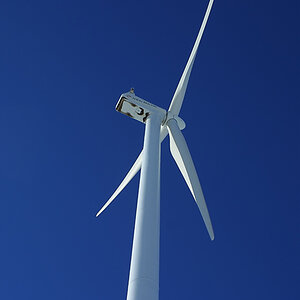
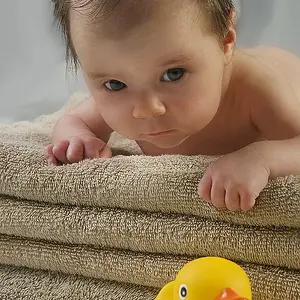
 DSC_0277 by squish_437, on Flickr
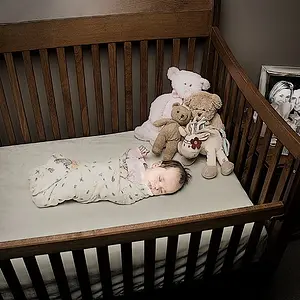
 DSC_0276 by squish_437, on Flickr
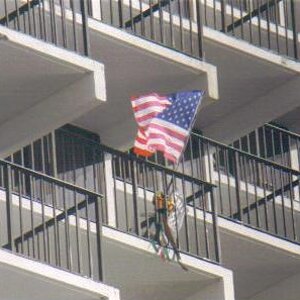
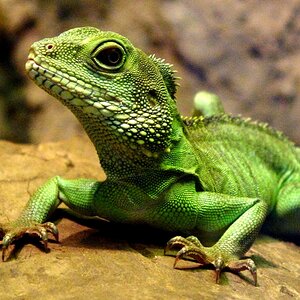
 DSC_0274 by squish_437, on Flickr


![[No title]](/data/xfmg/thumbnail/42/42065-b846d670a79653fe9a60fc2ba4bc683f.jpg?1734176465)

![[No title]](/data/xfmg/thumbnail/31/31757-4f5257d19be4e34c6bdcbd2519380d53.jpg?1734160480)