Okay, so sit down and get ready for a long winded response :mrgreen: I started landscape stuff about 2 or 3 months ago.. before I had done a bit here and there, but nothing too serious. I starting with my Sigma 17-50 @17mm, and really only shot HDR images. Why? Because the tonal range in sunsets and most landscapes is always too much for the sensor to handle. So HDR's worked well enough, but I just felt like they weren't punchy, they weren't perfect. My first step was to buy the Tokina 11-16mm. 17mm on a crop sensor just wasn't enough, and I've been blown away by the performance of the Tokina. Fast forward to a few weeks after that, and I started doing heavy research into plate filters / square filters. Cokin? Cokin P? Cokin Z? Lee? Singh-Ray? Hi-Tech? What to buy!? I did hours and hours of online research, got feedback from forum members, and eventually decided to pull the trigger on some Lee filters. Why? They are so expensive!! BUT, they last. I foresee having these filters until I die, unless for some reason I break or scratch them. Sure, $140 for a Big-Stopper seems outrageous, but over the course of 20+ years of shooting? It suddenly becomes less than $10 a year. And that's how I look at all camera purchases. It's an investment, not a expense. But I digress. I first got the 77mm Wide Angle adapter ring, the filter holder assembly (which I have setup to hold 3 filters), and a set of 3 graduated neutral density filters with soft edges (0.3 - 1 stop, 0.6 - 2 stops, 0.9 - 3 stops). I went with the soft edge as I figured they are more versatile and less specialized/easier to use than the hard edged ones (but a set of hard edged ones is next). The first time I used them I fell in love. Literally. They completely changed how I shot and looked at landscape scenes. Soon after I picked up a Big-Stopper (10 stop ND square filter), and again, fell in love. It's allowed for some, in my humble opinion, excellent shots that I would have never been able to capture before. This week I snagged a Little-Stopper (haven't had much time to use it), and the reverse GND. The reverse GND is by and far the hardest to use--the hard edged dark line (2 stops of light reduction) is really difficult to use as any foreground or such on the horizon line becomes rapidly darkened (see photo 1 on the right hand side near the bottom of the dark clouds). However, I honestly love these filters, and am SO glad I purchased them. Sure, there are cheaper versions and more expensive versions, but this system seemed right for me. On a side note, I really like that I've taken on landscape photography. It's challenging, it's relaxing, and most of all it's rewarding. There's nothing better than spending 3 hours shooting a gorgeous sunset on the beach, with the only sound being nature and a few clicks from your camera. That in an of itself makes it all worth it. Here's an example from one of my first shoots with the GND's, posted unedited--the top shot is with no filters, and the bottom has 2 I think (0.6 and 0.3?)
http://s780.photobucket.com/user/Stratusfearrr/media/FilterExample_zps21c99a84.jpg.html Also, here's one from last night's shoot without filters. Without:
http://s780.photobucket.com/user/St...nShot2014-05-07at75930AM_zps4e0e5a00.png.html With:
http://s780.photobucket.com/user/St...nShot2014-05-07at75945AM_zps6327b60e.png.html I should add that I ALWAYS shoot in RAW... the filters do a great job, but they can only do so much. There's always a little tweaking that needs to be done to get it to where they are in the original post. Cheers! Jake


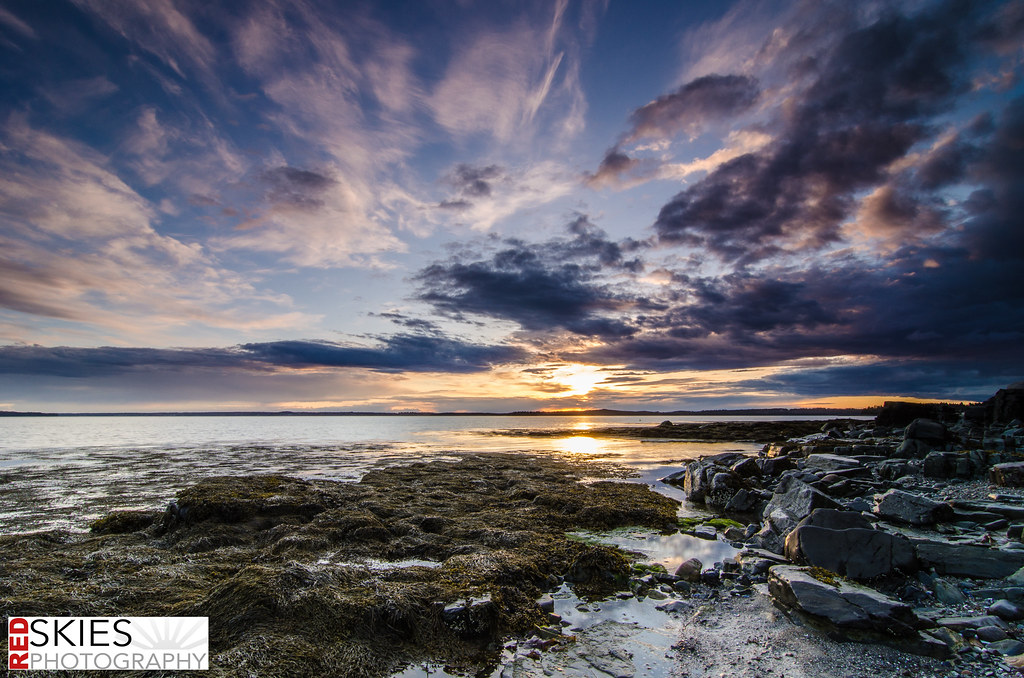 The Setting Sun by f_one_eight, on Flickr
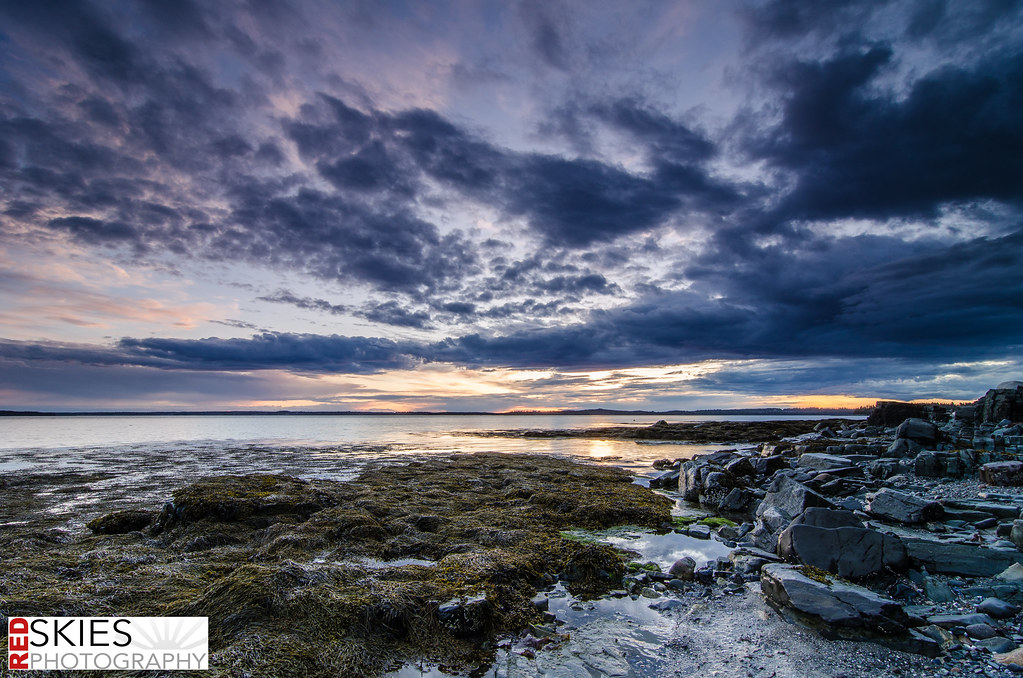 Disappearance by f_one_eight, on Flickr
 Panorama by f_one_eight, on Flickr


![[No title]](/data/xfmg/thumbnail/39/39440-bc17565eb7adee7f9859c53933e8543c.jpg?1734173530)
![[No title]](/data/xfmg/thumbnail/31/31039-558cdb3d311dc67b7a2134527e230488.jpg?1734159138)
![[No title]](/data/xfmg/thumbnail/31/31038-84f0b9d14b7ced20e61bc19a9d4dfcc2.jpg?1734159138)
![[No title]](/data/xfmg/thumbnail/34/34054-75057fa828bda4184ea808ff8bd8dfcf.jpg?1734164464)
![[No title]](/data/xfmg/thumbnail/32/32182-3ec35e12e238c681a086455c4586fbef.jpg?1734161047)

![[No title]](/data/xfmg/thumbnail/40/40356-883c642c8d24d2709b359f9c8b196fcf.jpg?1734174788)
![[No title]](/data/xfmg/thumbnail/38/38261-db20f6f92ee8f0d4c5cf1536e308638b.jpg?1734172147)