Thanks man. I really appreciate all the advice. I have a Minolta SRT-202, so I've been using the in-camera light meter which is center-weighted matrix, I believe. I'm still on the fence about whether the camera's meter is off slightly (causing overexposure) or my ineptitude.

I'm more inclined to blame it on myself, though.
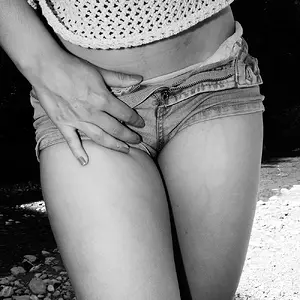
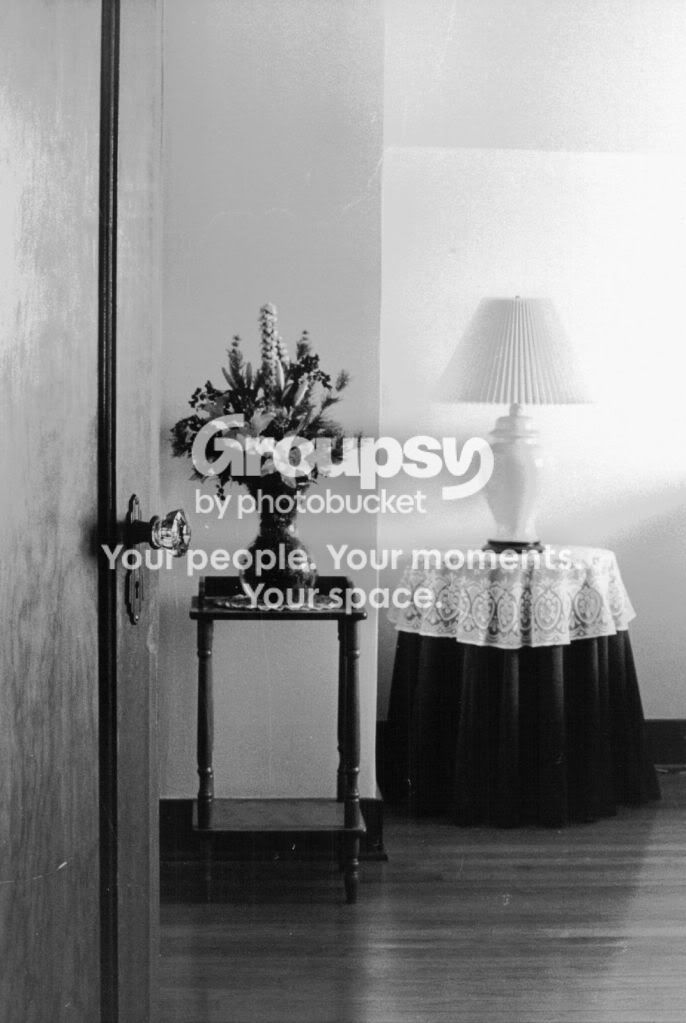
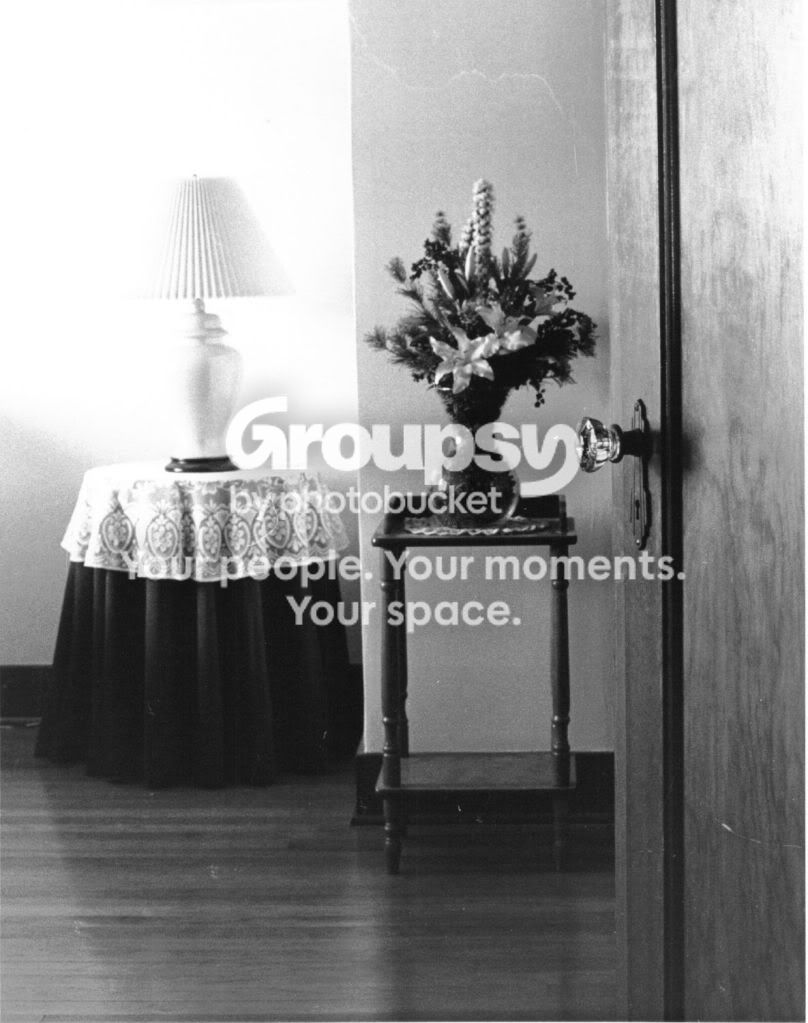
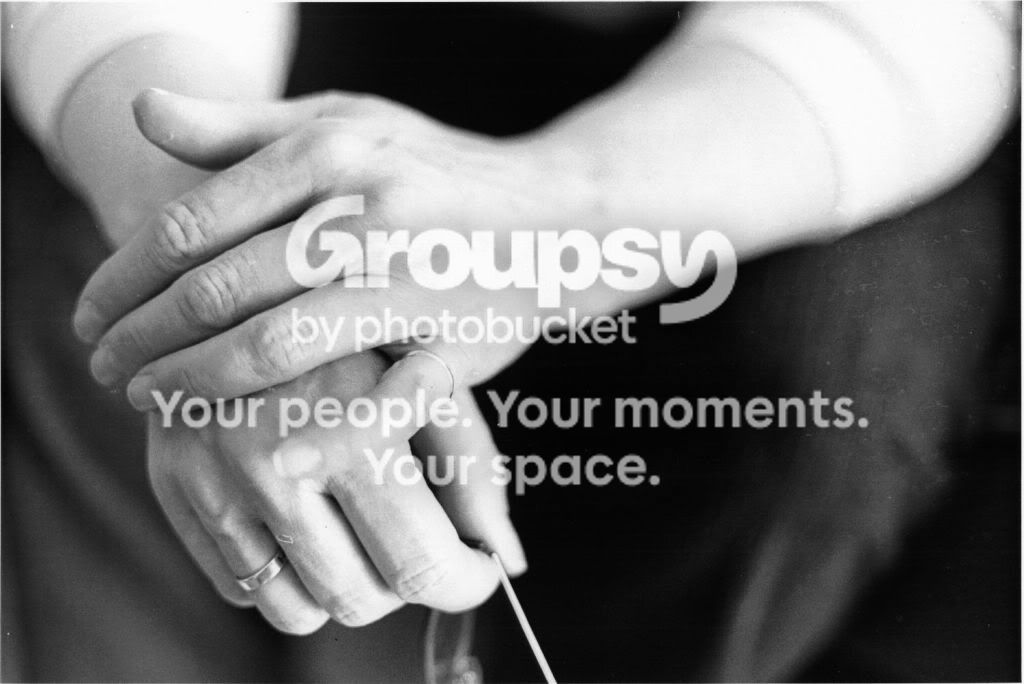
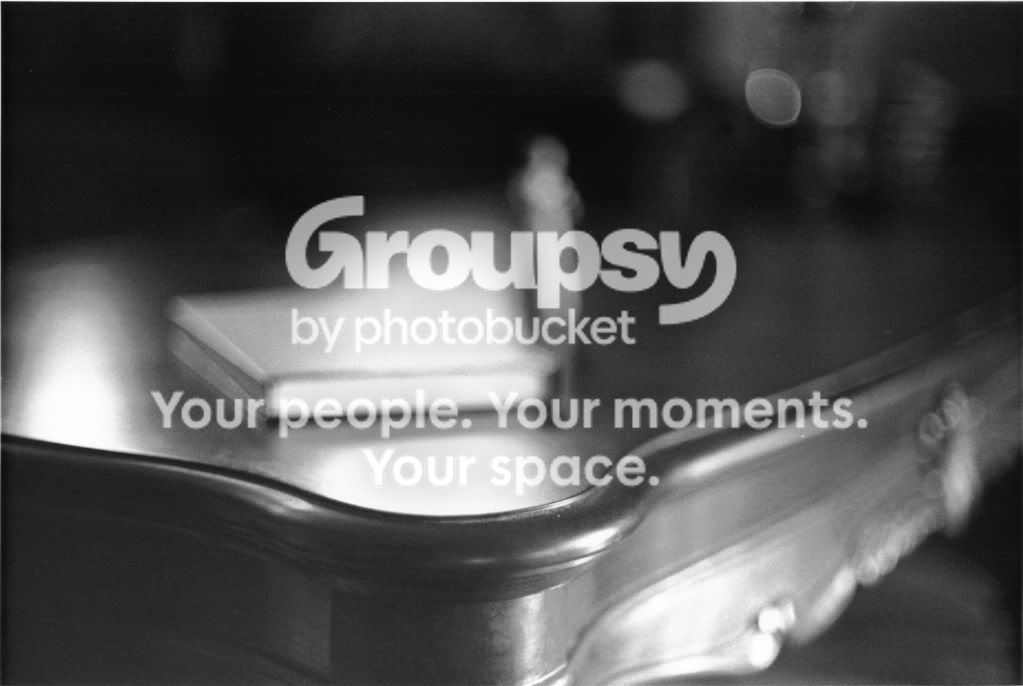
For most of these pictures I metered for the shadows, so when I re-composed the shot the meter typically read 1-2 stops overexposure. But for some, like the hands, I'm pretty sure the meter was set for normal exposure. So the negative & print were surprising -- I mean the forearm is basically pure white in the print. I chose to scale it down a little in photoshop.
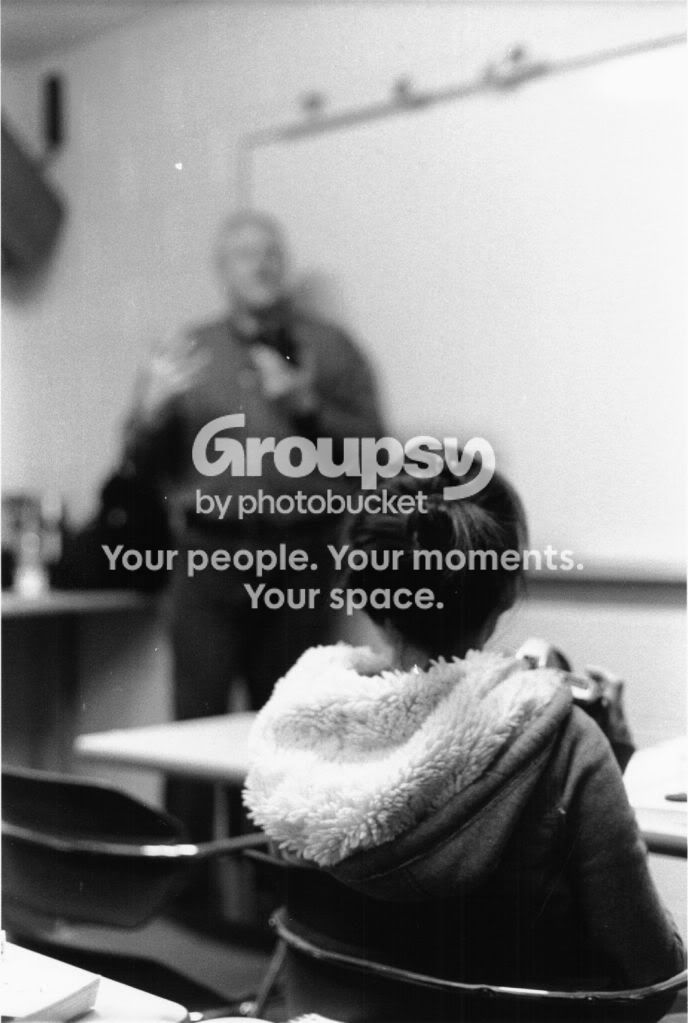
I keep a log of all the settings. And you're right about shooting the hands wide-open, lol -- I'm a sucker for narrow depth of field. It was shot at 1/500 @ f/2, and I was pretty close to the subject. I probably could've shot at f/3.5 or f/4 and achieved the desired look. I wanted the hands in focus, but little else.
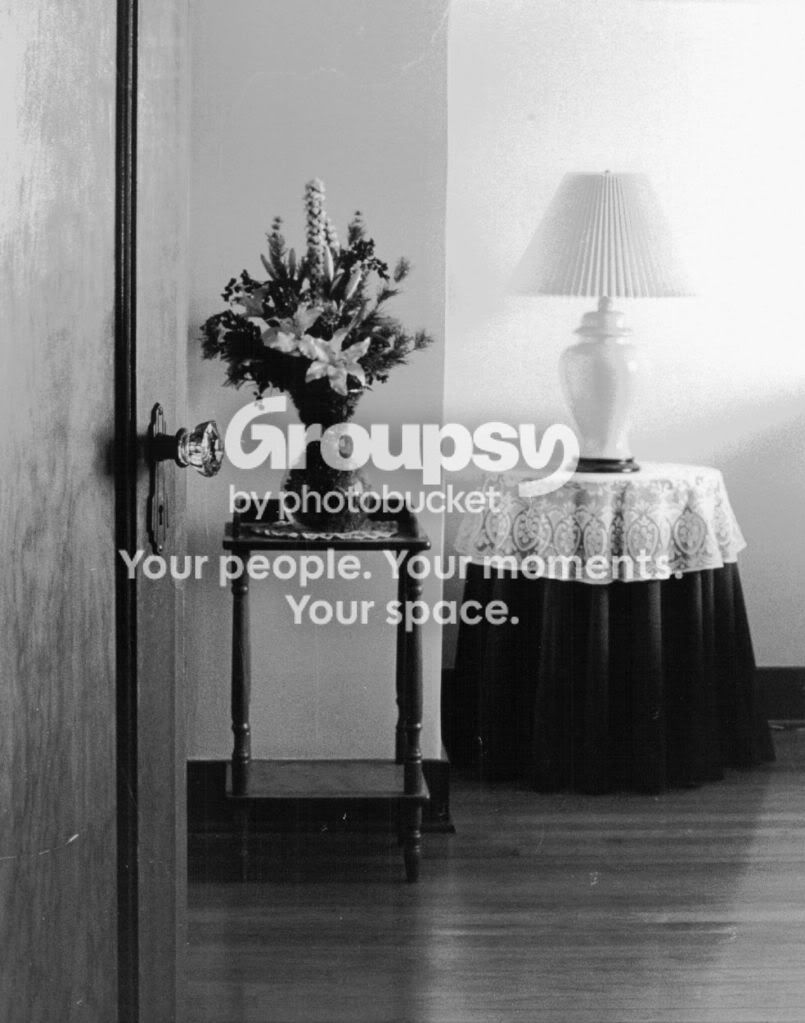
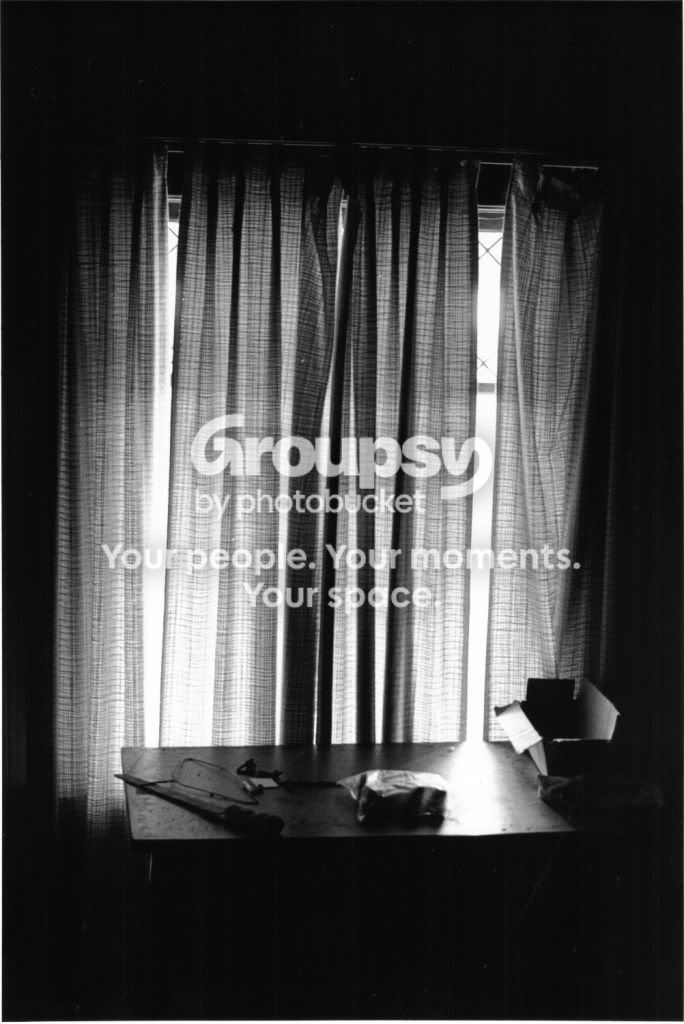
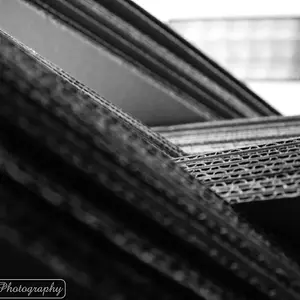
The curtain shot was 1/60 @ f/2.8 with a 50 mm prime lens. I had to use that setting because I didn't have a tripod set up and there was little light. Again, I'm surprised by the missed focus for the items on the table. I focused about halfway on that cardboard box flap; I guess it wasn't enough.
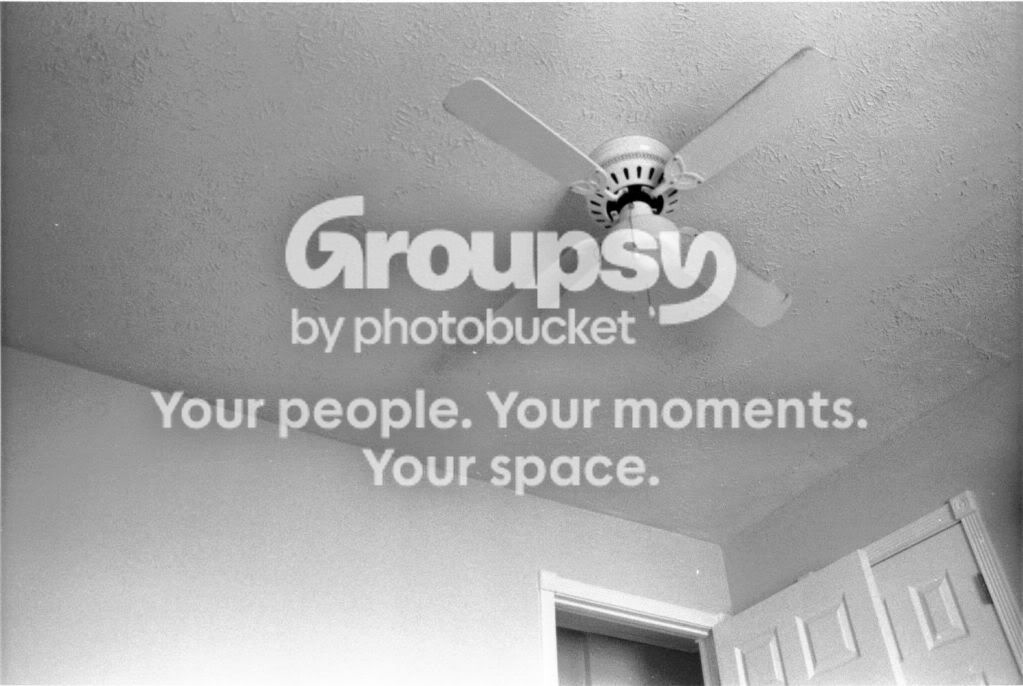
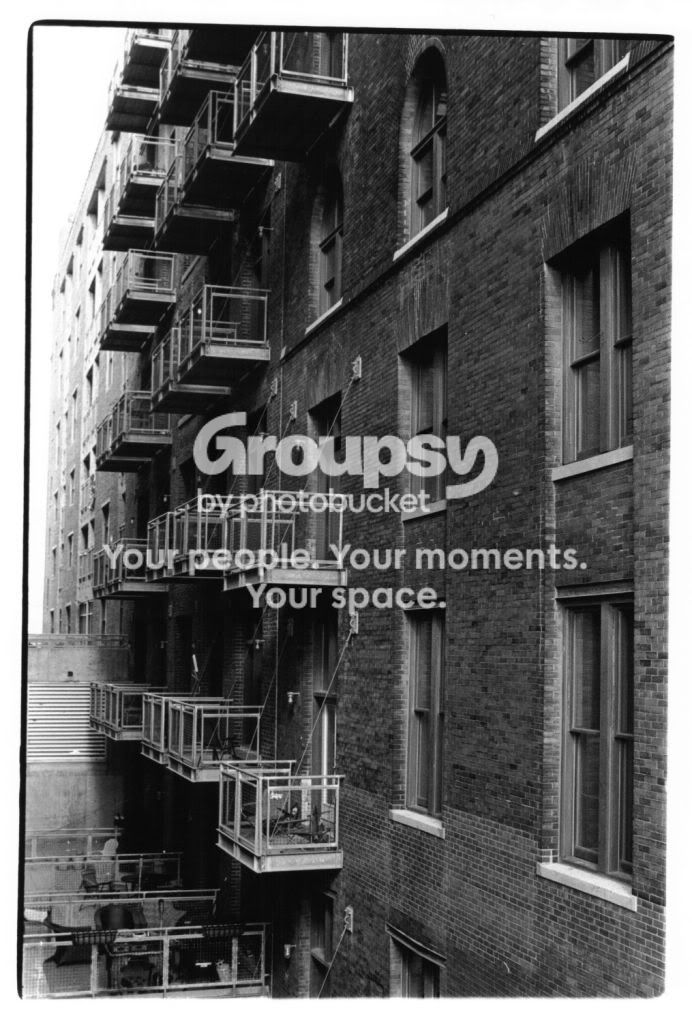
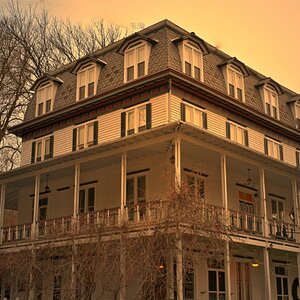
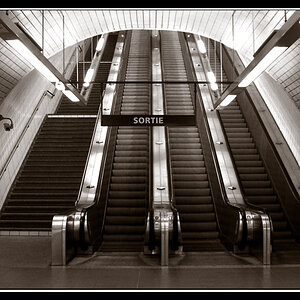
With this next roll I'm shooting I'm going to make sure the exposures are all normal. It might be tricky, though, since the assignment is line/architecture, and I'll probably be using a red filter for the landscape shots.
I try to print using the same variables all the time. I use the same enlarger (whenever possible), and typically all of my decent prints are 12 seconds @ f/16. Another question: I could get the same print at 6 seconds @ f/11, right? What are the benefits / disadvantages to longer and shorter print exposure times?
I don't think the developer would be depleted. We have a few lab techs who are usually on top of things.
Anyway, thanks again for all the help. Yeah it's really cool stuff. I don't care that film seems to be dying off. It's good fun being able to do this stuff hands-on.







![[No title]](/data/xfmg/thumbnail/32/32160-4e45e524b050f1afae9fd21bf696d61b.jpg?1734161046)