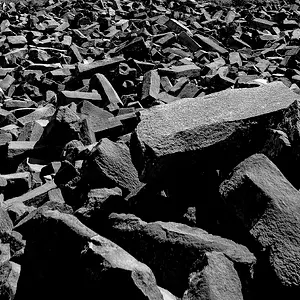
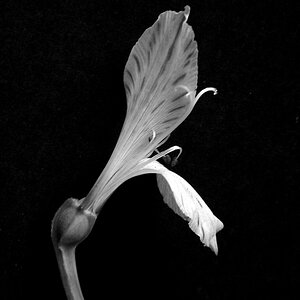
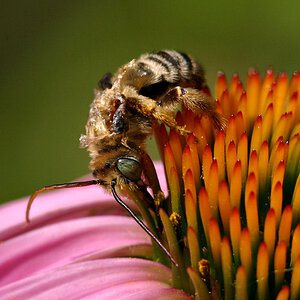
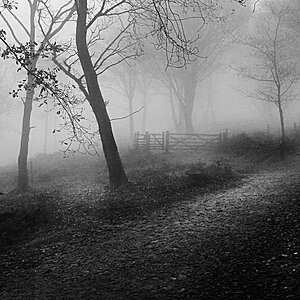
Nice stuff. You have a good eye, trust yourself and you'll see an instant improvement, this doesn't really go for everyone.
When learning about exposure etc., it really comes down to making yourself go out and shoot in full manual mode, but to really see the benefits you pretty much have to shoot in RAW format (I am pretty much just learning the digital side of the art, myself but) they equate it to shooting slide film.
You see in film photography when you get prints made the person (or computer) making the prints make certain changes for you, color and density (contrast and saturation) correction are pretty much standard. So when you get the prints back any small mistakes are wiped clean and big mistakes seem small. Plus, often any kind of color filters that you use, or intentional over/underexposing are "corrected" for and thus ruin your effect.
But when you shoot slide (from what I understand about digital so far, slide film is the film equivalent to RAW file format) you actually are shooting onto the same piece of film that gets developed, cut, and put into slide sleeves, then projected onto a screen etc. so that what you shoot is what you get.
I can tell you from experience, it is extremely limiting to use automatic settings. I am stuck with them for now, as I shoot w/ a borrowed EasyShare point-n-shooter.
I can still change the exposure settings a bit, and I can tweak the shutter speeds, and aperture by using "sports mode" and various "scene" modes.

And I do, but it's so easy to fall into just shooting in full auto.