The LA River at one time was close to 100% concrete. That concrete is now being ripped out in bits and pieces.
The LA Basin is naturally problematic. It doesn't rain here very often, but when it does rain, it's Cats & Dogs. One of the main rivers in the LA Basin is the San Gabriel River, which sourced at 9,600' (Prairie Fork) in elevation and ends at the Pacific in only 58 miles, making it a river with one of the steepest drops/fall in the world. Which is why Houston specifically requested Swift Water Rescue Teams from LA County FD.
Is is common to build Cisterns when you build houses or have space where water can stay and slowly drain into the ground? The slower water goes down the drain, the better for the people.
Example: In a project in Aethiopia the found a Mountain slope fully eroded. The water went down in 48 hours. Then they started to contain the water and use it over and over again in terraced agriculture. Plus they build a small dam at the bottom to keep the feet of the mountain wet. Result was that dry creeks and rivers and wells started to lead water again and that they even could produce electricity at the dam and that hundreds of families found new work and food source and meaning. The speed of the water was slowed down from 48 to 480 hours top to bottom.
Yes, but it is not mandated. If you measured the entire USA South West and calculated the rainfall, it is basically a semi-arid desert. In California, (and Gary imagines other states - but Gary is only familiar with here), existing homes are being retrofitted with rain capturing infrastructure complete with cisterns and filtration. Some new homes have integrated water reclamation into the design. Gary installed rain gutters and diverts water to rain barrels for later use in the garden.
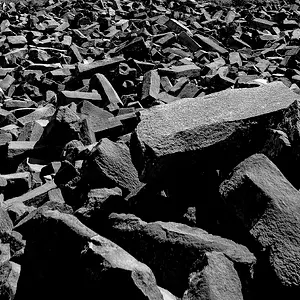
The rainfall in the LA Basin is again problematic because of the steep 10,000' high local mountains adding significant amounts of destructive energy to the runoff. The Army Corps of Engineers decided that the best way to control the rivers which routinely jumped their banks, was with concrete and riprap. The Corps only saw water as a menace and disregarded the benefits of water in a semi-arid ecosystem. Recently, regional governments have been installing gravel spreading fields along the flood control and rivers to help recharge the aquifers. The demolition of the concrete encasement of all our rivers in Southern California, it not only for esthetics but also for water seepage. The overpopulation and paving of our Southern California cities, the destruction of our wetlands, the concreting of our rivers and the geology of the LA Basin have all contributed to a severe reduction of our regional groundwater. Much of the water Southern California receives is from the Northern Sierra Nevada snowpack (700+ miles of canals), the Southern Sierra Nevada snowpack (City of Los Angeles only, 400+ miles of canals). There are government programs giving away free rain barrels and cisterns to homeowners.
When Gary was an Environmental Commissioner for Los Angeles, he did learn/hear that surface water was infinitely replenishable, but groundwater was like oil ... and takes time to replenish.



 That's right. September. (!)