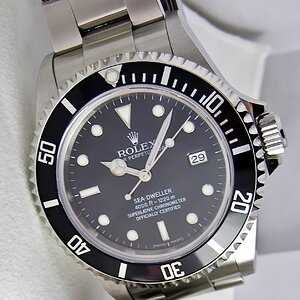
The angle of incidence is what creates the angle of reflection...it's a lot like a billiard ball, being sent into a side-rail...the angle the ball comes INTO the side-rail at is the angle that the ball will reflect off at. (This is assuming no English is applied to either the cureball or the object ball.) The issue when photographing a mostly-flat glass surface like the watch crystal is the A) angle of incidence of the light and B) The view the camera lens "sees". A and B of course depend on C) The object being photographed and its character.
When working alone, controlling reflections is more difficult than when shooting with an assistant who can literally re-position or move the light(s) as you, the photographer, peer through the camera and observe what is happening as the light is moved. I suggest enlisting the aid of anther person as you first, compose the photo and lock the camera and lens down firmly, on a tripod and then have the4 assistant literally MOVE the light through a range of an arc, as you look through the lens and observe where the reflections are.
Light, Science, Magic is the suggested popular title dealing with lighting basics.
Keep in mind that some, small reflection cues can actually HELP reveal size, texture, or shape! Nor "all" reflections are necessarily "bad". You've done a fair jobn in the sample photo you have placed into this post--I have seen much,much mkore bothersome reflections. Keep at it! Keep working at this!


 watch by john Cederroth, on Flickr
 Citizen watch