What's new

What the highest iso can you use?

I use whatever I need to.

For my camera, 100-800 is ideal, 1600-6400 is usable, and 12800+ is a last resort.
 
On my D7100 I don't like to go over 4800, but have gone to 6400 on occasion. Night time football and band pics require high ISO.
 
"Always use the lowest ISO possible" is something that shouldn't be taught to beginners. In fact I'd say that that line of advice is very bad advice to give to beginners; especially so in this day and age of photography - at least for digital work (Film is different as the ISO is locked).

I agree with this, because I think the novice is going to be inclined to think “any degradation of image quality is unacceptable”, which will effectively fix their ISO at 100. What will follow is piles and piles of fantastic “low noise” photos marred by camera shake and/or underexposure—both of which are far worse outcomes than a bit of noise at the pixel level.

Another good reason to go above ISO 100 is if you’re using AA powered strobes; a simple (and mostly inconsequential) bump from ISO 100 to 200 buys you a whole stop of flash power, which in turn improves recycle times, lengthens battery life, and reduces risk of accidental overheating.
 
Well I jack mine up high...I just went to 20000 yesterday. Not the first time.
 
I keep hearing the noise reduction in Lightroom is really good. However, my experience is noise reduction loses details and fine textures. It makes my photos more like a pastel.
 
I always find that I am a little bit shaky at lower speed, so I prefer to up the ISO than to have a blurry image. I have had some satisfactory small prints at ISO 6400 and did not try to print large scale at that ISO. But I find that over 6400 it gets bad. I also like to use fill flash and sometimes boost the ISO to about 1600 to capture the mood in the room. But Photography with flash is something I still need to learn about.

My camera is the Nikon D600
 
As people pointed out, not ever camera is created equal. People shooting @ ISO 10,000+ are probably sporting Semi Pro or Professional camera bodies. That is just about out of the realm of possibilities for people shooting DX bodies. Anyhow, I try to stay close to ISO 200 but sometimes circumstances requires cranking the ISO up. Now with that said, I don't just max it out. I still try to use as low an ISO as possible generally using ISO 400, ISO 800, or ISO 1,200 and on rare events, ISO 3200.
 
Just fooling around in low light...

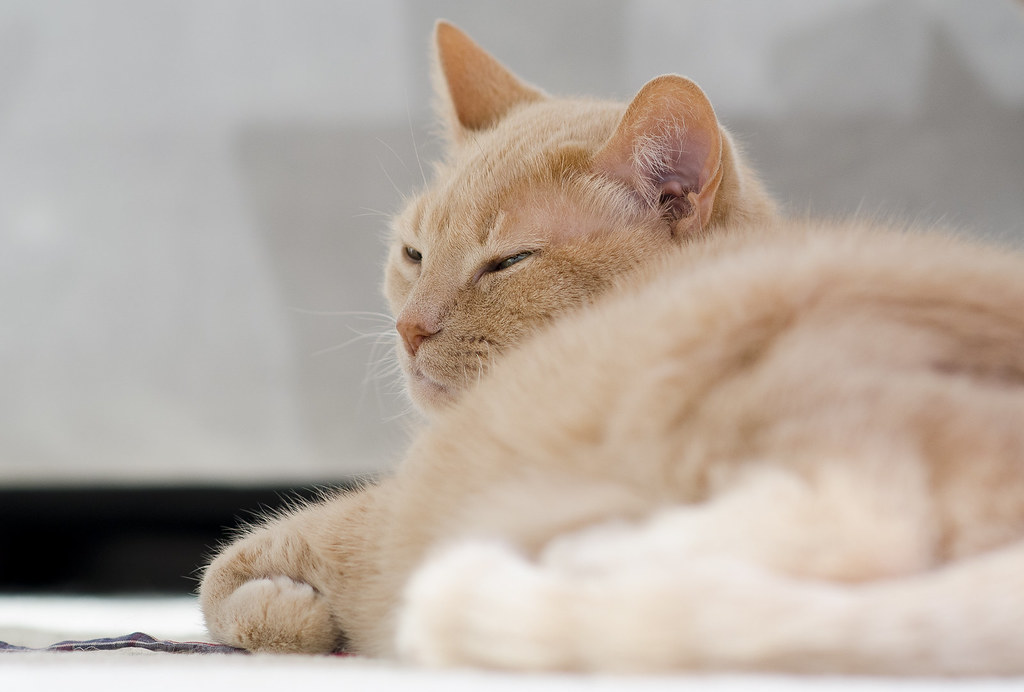
this is iso 125 at 0.8":


DSC_1688-5 by BraineackPhoto, on Flickr


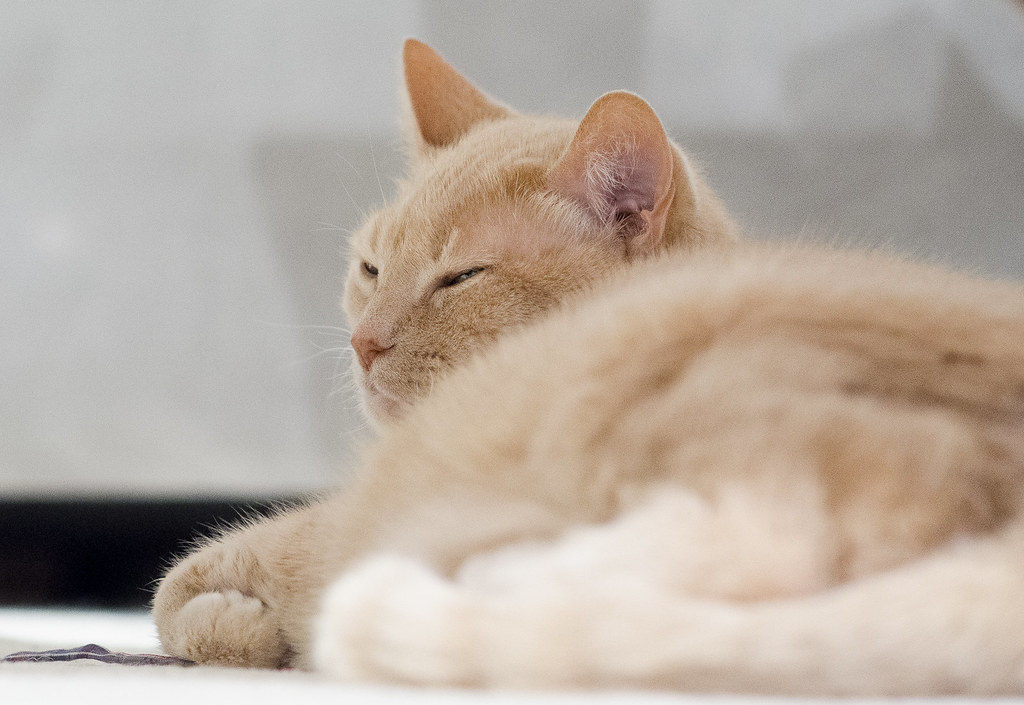
this is iso 2000 at 1/20s:


DSC_1683-4 by BraineackPhoto, on Flickr


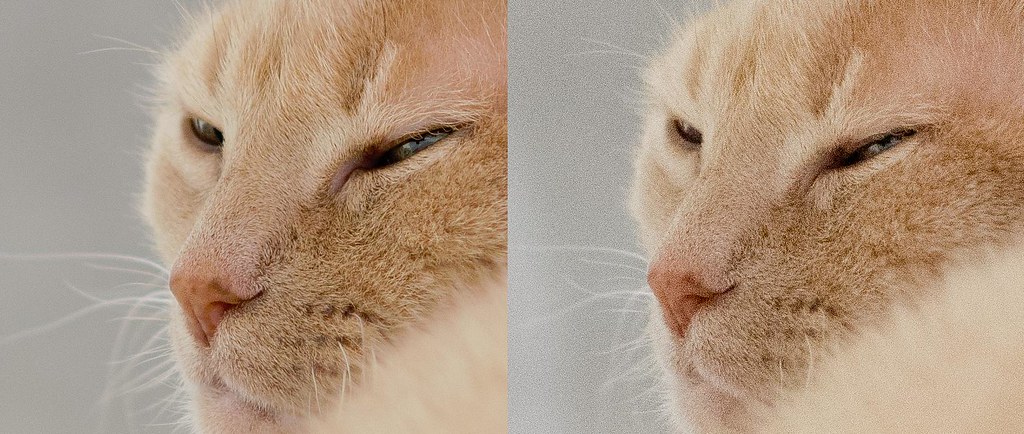
and 1:1


iso_comparison by BraineackPhoto, on Flickr


still getting decent shots at iso 5600:


DSC_1607-1 by BraineackPhoto, on Flickr


I think iso 6400 was about the furthest I was getting anything that I considered usable:


DSC_1621-3 by BraineackPhoto, on Flickr


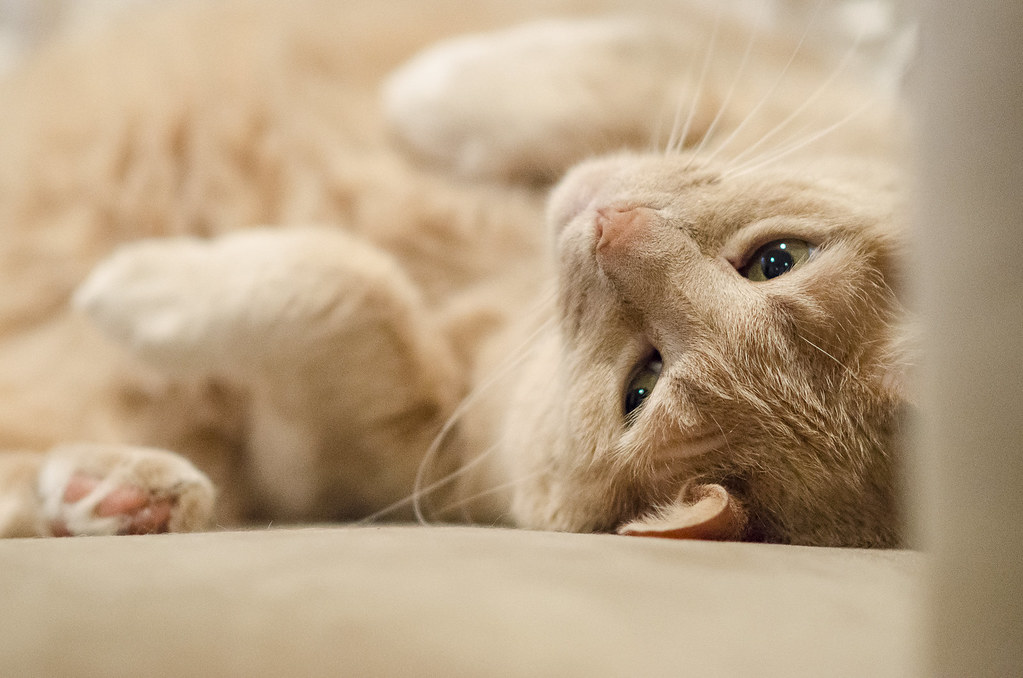
this was only iso 560, but Hobbes felt left out:


DSC_1706-6 by BraineackPhoto, on Flickr


Everything I took above that wasn't sharp and very noisy and really unusable. This was actually a fun exercise in getting more intimate with my camera and it's abilities/limitations.
 
"Always use the lowest ISO possible" is something that shouldn't be taught to beginners. In fact I'd say that that line of advice is very bad advice to give to beginners; especially so in this day and age of photography - at least for digital work (Film is different as the ISO is locked).


ISO is just another tool in the bag and if your aperture, shutter speed and the light you have at the time require you to set the ISO higher then you have to set it higher. Yes you'll get noise - and yes most of that noise will vanish in web or print displays even before using software to reduce it further.
It also depends greatly on what kind of photography you're doing - if its portraits chances are that you shouldn't need to take the ISO too high; in fact if you find you have to you'd likely be soon investing in a flash or three. If you're doing sports or wildlife chances are ISO 400 or even 800 might be you base line starting point in anything but the strongest of light so that you've got an action stopping shutter speed.


ISO is a tool just like the aperture and the shutter speed; it takes time to learn the "limits" for what those values within that term mean to your photo and how they'll affect it. Once you know and you know your subject and situation better you'll start to find it a lot easier to make the judgement call on what setting(s) are important for the shot and then also what limits are practical within the given light.

Note that learning to predict and imagine what you want the photo to look like will make this a lot easier - once you've an image in your minds eye you can more quickly know what settings you'll need (or at least a rough ballpark understanding of which are the most important for the scene).

I agree with that. When I just started I was losing a lot of good shots because I did not trust my camera at higher ISO, so I kept it at 100 or 200 and tried to squeeze a sharp shot at 1/40 or 1/30. Then I finally realised that raising ISO to 800 or 1600 and even 3200 will result in MUCH better shot. Especially if you use something like Topaz DeNoise, that is just fantastic.
 
Last edited:

Create an account or login to comment

You must be a member in order to leave a comment

Create account

Create an account on our community. It's easy!

Log in

Already have an account? Log in here.

Back
Top Bottom